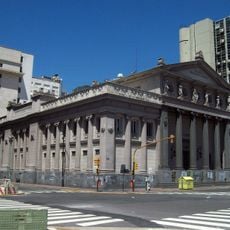
Corrientes Avenue, Entertainment avenue in central Buenos Aires, Argentina
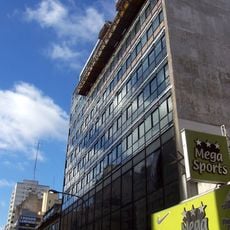
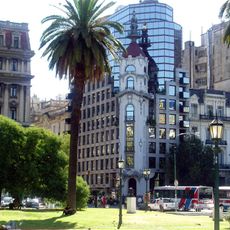
Corrientes Avenue is a major street in central Buenos Aires, Argentina, running for several kilometers from the port district to the western city area. It hosts theaters, bookstores, cafes, and shops along its entire length.
Laid out in the 18th century as a dirt track called Del Sol, it became San Nicolás after Domingo de Acassuso founded the church of San Nicolás de Bari in 1729 on the site of today's Obelisk. It was renamed Incháurregui in 1808, then Corrientes after the May Revolution, officially in 1822. Widening began under Mayor Joaquín de Anchorena in 1910 and was completed in 1936, the year the Obelisk opened.
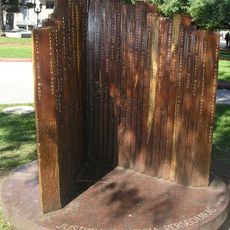
Known as "la calle que nunca duerme" (the street that never sleeps), Corrientes concentrates theatres, cinemas and bookshops between Maipú and Callao. The Asociación Amigos de la Calle Corrientes placed plaques on 40 corners with figures from tango history. Carlos Gardel lived on the avenue from 1904 to 1918.
The Metro Line B runs beneath the street and provides several access points along the route. Automobile traffic flows in one direction only, from west to east, which helps pedestrians orient themselves.
The Asociación Amigos de la Calle Corrientes placed commemorative plaques on 40 street corners, each bearing the image of a tango figure who walked the avenue. The plaques are spread along the whole street, not in Abasto alone.
The community of curious travelers
AroundUs brings together thousands of curated places, local tips, and hidden gems, enriched daily by 93,857 contributors worldwide.