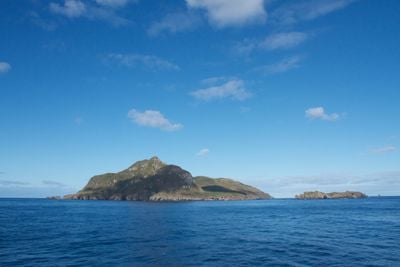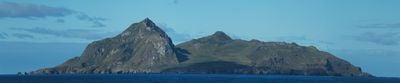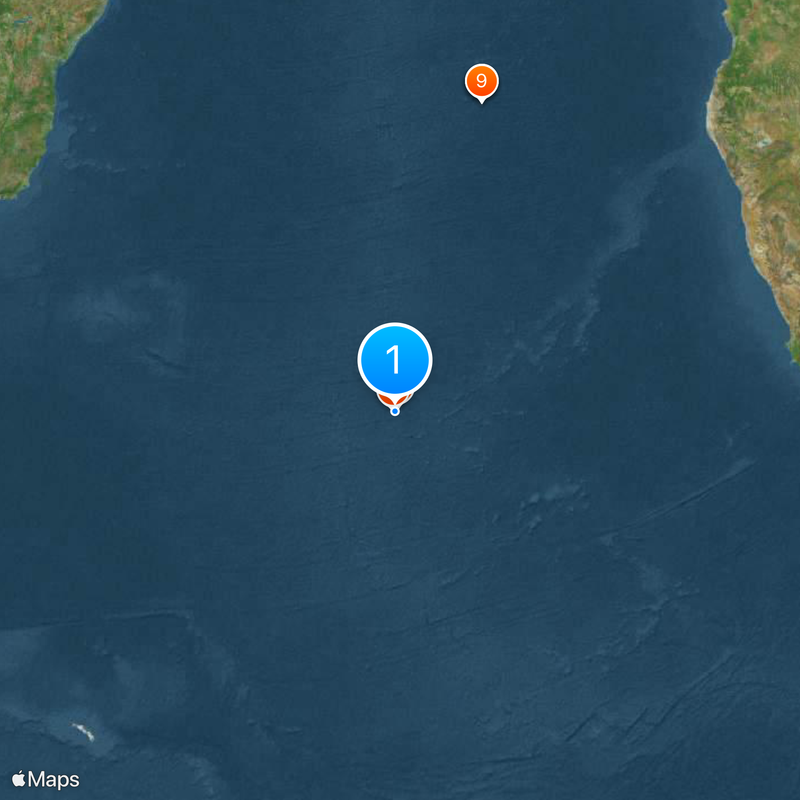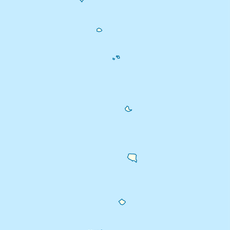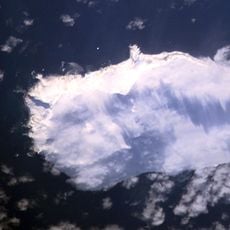
Nightingale Island, Volcanic island in Tristan da Cunha archipelago, South Atlantic Ocean.
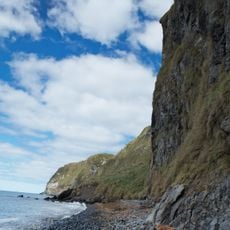
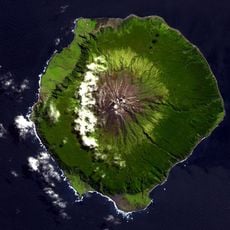
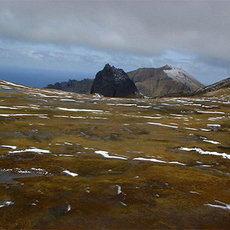
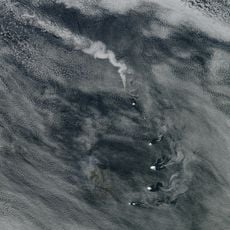
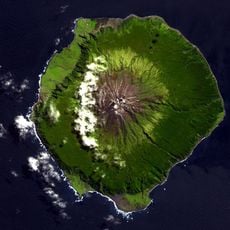
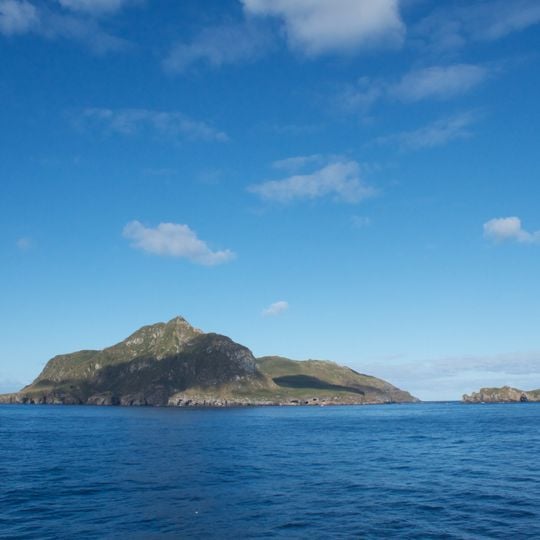
Nightingale Island is a volcanic formation in the Tristan da Cunha group, rising sharply from the South Atlantic with dramatic cliff faces. The landscape consists of a central ridge system with rough terrain and open slopes that descend to the ocean.
Dutch seafarers first documented the island as Gebrochen Eyland in the middle 1600s, establishing its early European presence in records. British Captain Gamaliel Nightingale subsequently attached his name to it, formalizing the island's current designation in the 1760s.
The place holds deep significance for local residents as a symbol of the remote natural world that defines their island community. It represents the relationship between people and the untamed environment they call home.
Access to the island requires permits and travel with local guides, as conservation regulations strictly control visitor movement. Visitors should prepare for difficult terrain and unpredictable weather conditions common to remote South Atlantic locations.
The island shelters breeding colonies numbering in the millions, representing one of the largest seabird concentration sites in the South Atlantic region. Few visitors realize that these massive colonies essentially belong to a single species during specific breeding seasons.
The community of curious travelers
AroundUs brings together thousands of curated places, local tips, and hidden gems, enriched daily by 92,770 contributors worldwide.