Cuyo, Geographic region in western Argentina
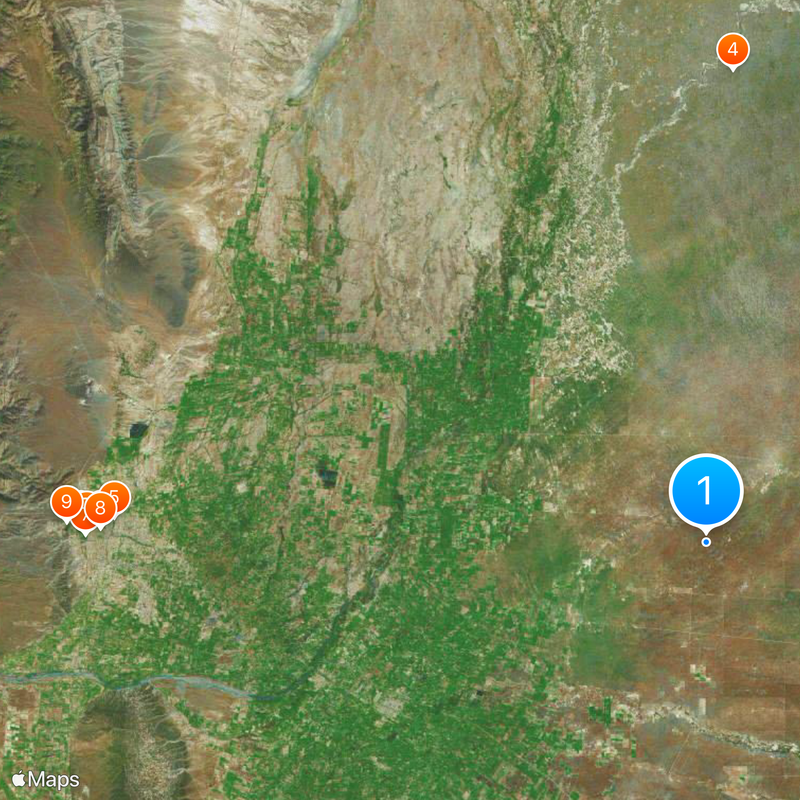
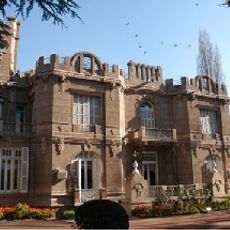
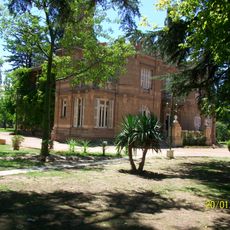
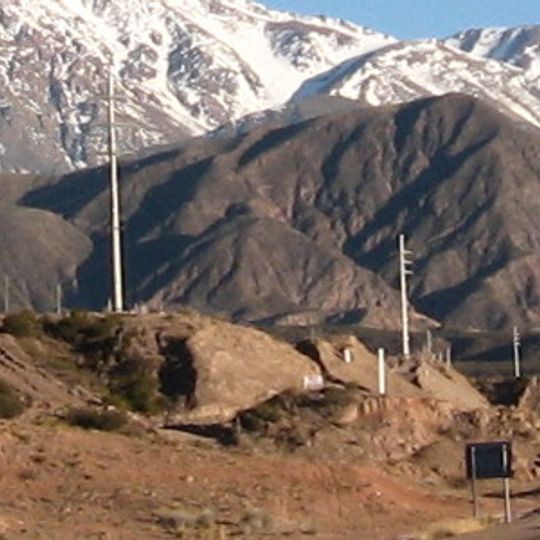
Cuyo is a geographic region in western Argentina that covers the provinces of Mendoza, San Juan, and San Luis, marked by the Andes range in the west and interior valleys throughout. The region sits between high mountains and dry flatlands, where irrigated fields and vineyards grow amid sparse surroundings.
The first European explorations began in the mid-16th century when Spanish expeditions pushed inland from Chile. Over the following centuries, the region developed into an agricultural center later shaped by large irrigation projects and wine cultivation.
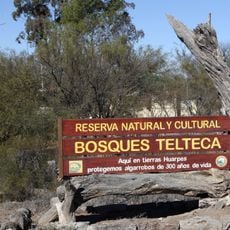
The name comes from the Mapuche word for sand or sandy, referring to the dry plains east of the mountains. Many towns still carry indigenous names, and traces of earlier inhabitants appear in daily life alongside influences from the Spanish colonial period.
The climate is dry with hot summers often reaching above 30 degrees Celsius (86 degrees Fahrenheit), while winter months are cooler and drier. Most rainfall occurs between October and March, which can be the best time to visit outside the extreme heat.
Wine production here accounts for roughly four-fifths of Argentina's total output and relies on a network of canals that carry snowmelt from the Andes over hundreds of kilometers. Without these centuries-old irrigation systems, most farmland would still be barren desert today.
The community of curious travelers
AroundUs brings together thousands of curated places, local tips, and hidden gems, enriched daily by 92,769 contributors worldwide.