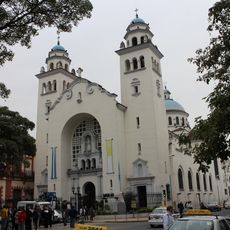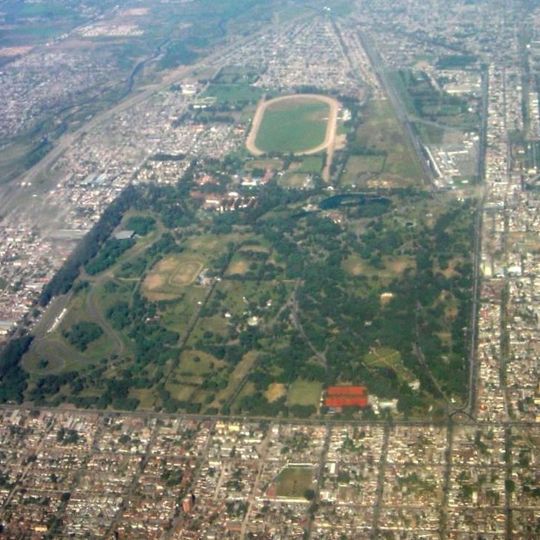
9 de Julio Park, Municipal park in San Miguel de Tucumán, Argentina.
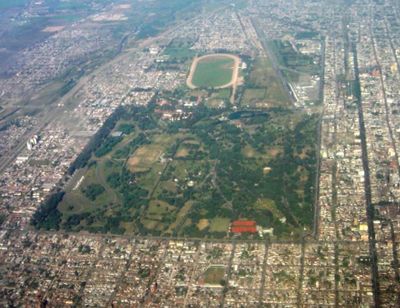
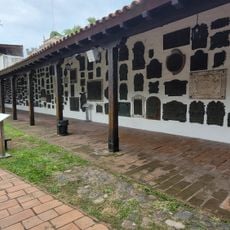
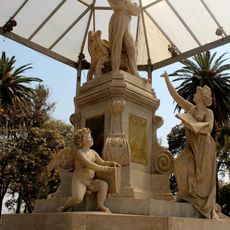
Ninth of July Park is a large green space in San Miguel de Tucumán featuring wide paths, landscaped gardens, a lake, and numerous iron sculptures spread throughout the grounds. The space is organized into different areas that visitors can explore as they walk.
Alberto León Soldati, Tucumán's minister of education, proposed the park in 1898 and later, as national senator, pushed through laws to expropriate the land east of the city. The design was entrusted to French landscape architect Charles Thays, who planned 400 hectares on swampy ground that had to be filled before paths and trees were laid out. Work began in 1906 and the park opened on 9 July 1916, the independence centenary.
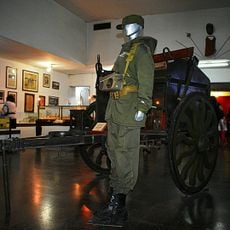
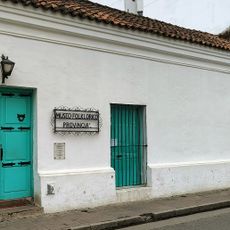
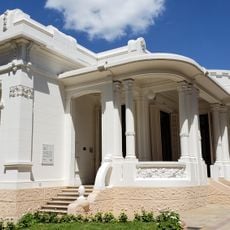
The Bishop Colombres House contains a museum dedicated to the sugar industry, where visitors can see historical artifacts and exhibitions about the region's agricultural development. This collection reflects how central sugar production was to the city's past.
The park lies east of the city centre, split in two by Avenida Benjamín Aráoz; the northern half holds the lake, the rose garden and the Casa del Obispo Colombres, while the southern half is largely occupied by the bus terminal and university faculties. Enter from Avenida Soldati or Brígido Terán on the western edge, closest to the centre.
The Reloj Floral in the northern half is a topiary clock: its face is formed by low, clipped hedging, not a sundial, and it sits among the lawns near Lake San Miguel and the Rosedal. Look for the swirling geometric beds behind the curved stone retaining wall.
The community of curious travelers
AroundUs brings together thousands of curated places, local tips, and hidden gems, enriched daily by 92,639 contributors worldwide.