Caturrita Formation, Geological formation in Rio Grande do Sul, Brazil.
The Caturrita Formation spreads across central Rio Grande do Sul and holds layers of sandstone, siltstone, mudstone, and conglomerate deposits. Multiple exposures of these rock layers appear from near Taquari extending westward throughout the state.
This rock formation dates to the Late Triassic period around 225 million years ago, confirmed through U-Pb analysis by scientists. It represents a significant span in Earth's early history when dinosaurs and other reptiles were beginning to rise.
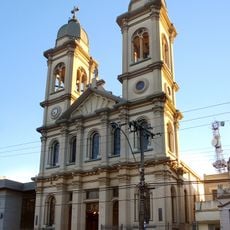
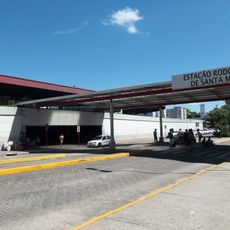
The formation takes its name from a neighborhood in Santa Maria, which also connects to the Portuguese word for monk parakeet. Visitors can trace this link to the local landscape and wildlife that gives the region its identity.
Outcrops of this formation are scattered across multiple sites in Rio Grande do Sul and can be visited by researchers and interested travelers. Starting near Taquari offers the best access point to explore the exposed layers heading westward.
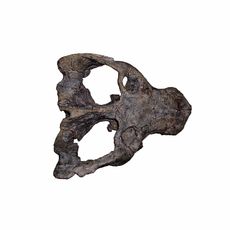
This formation holds an important collection of fossils from the early dinosaur era and preserves remains of cynodonts along with footprints from various species. These traces reveal details about a diverse animal community that inhabited the region millions of years ago.
The community of curious travelers
AroundUs brings together thousands of curated places, local tips, and hidden gems, enriched daily by 60,000 contributors worldwide.