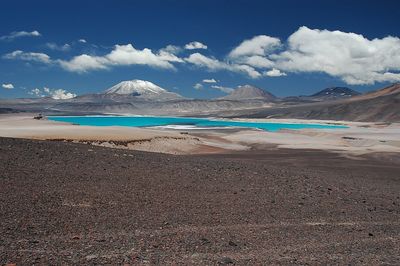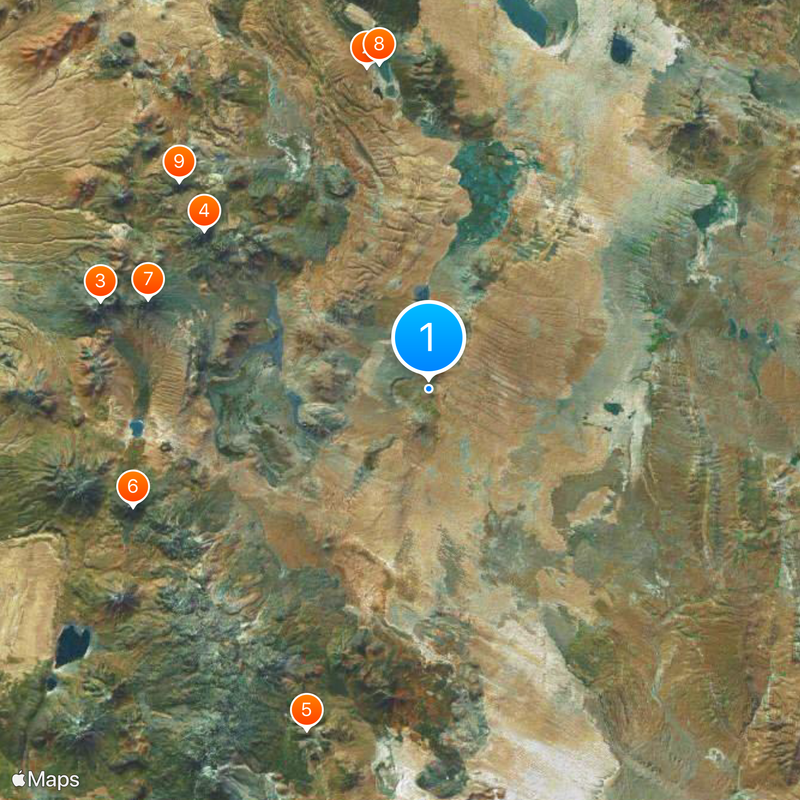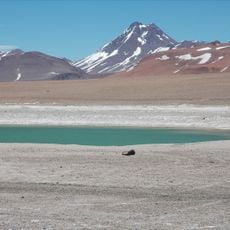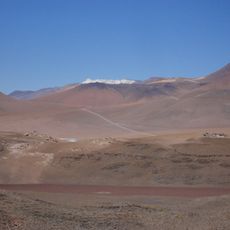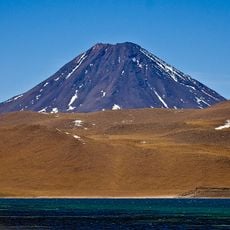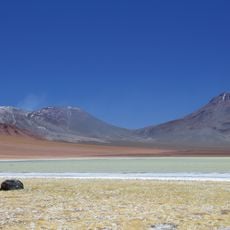
Puna de Atacama, High plateau region at border between Chile and Argentina.
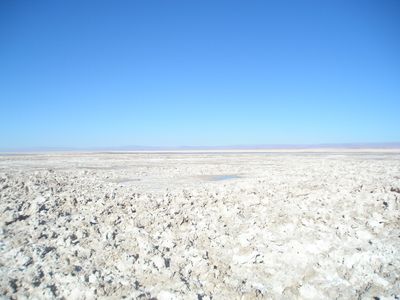
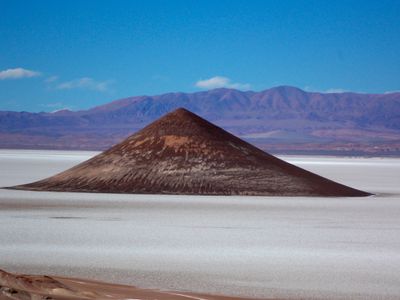
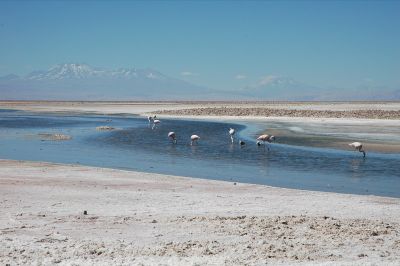
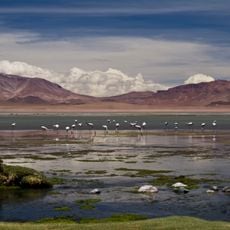
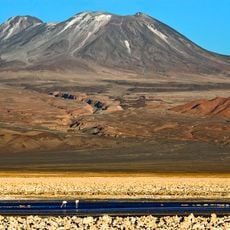
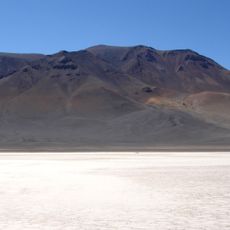
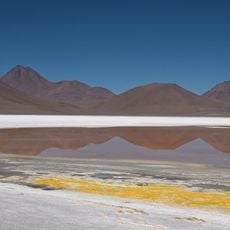
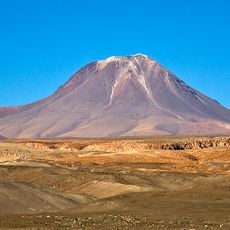
The Puna de Atacama is a highland region straddling the border between Chile and Argentina, mostly above 4,000 meters in elevation. The landscape consists of dry plateaus, salt lakes, and bare mountains with little vegetation.
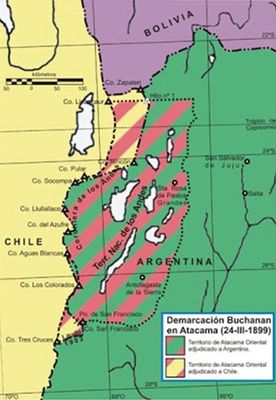
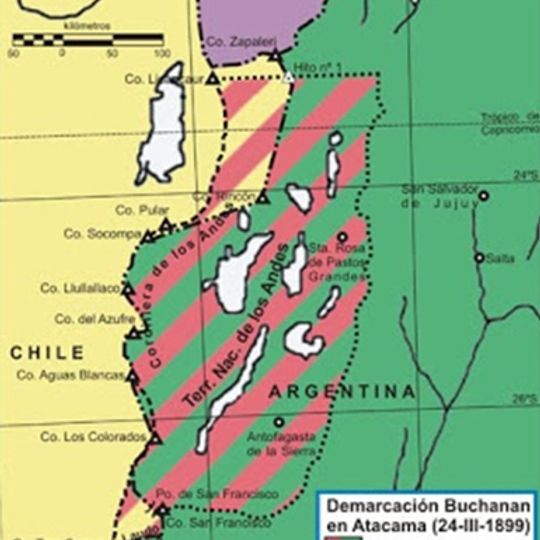
The highland was once part of the Inca Empire and later came under Spanish colonial rule before being divided among modern nations during the 1800s. International treaties in the late 1800s finalized the current boundaries between the countries.
Aymara and Quechua communities have lived in this highland for centuries, and their languages and customs still shape daily life in the region.
The area is sparsely populated and difficult to reach, with few roads and large distances between settlements. Visitors should prepare for extreme weather and limited infrastructure.
The region contains abundant lithium deposits in salt lagoons that are now being extracted at scale, shaping the area's economy. This mineral wealth exists only because of the dry, mineral-rich environment.
The community of curious travelers
AroundUs brings together thousands of curated places, local tips, and hidden gems, enriched daily by 90,740 contributors worldwide.