Brazilian Portland Cement, Industrial heritage site in Perus district, São Paulo, Brazil
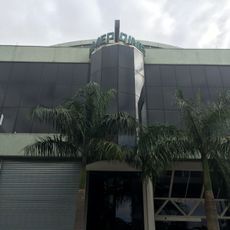
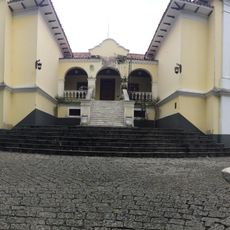
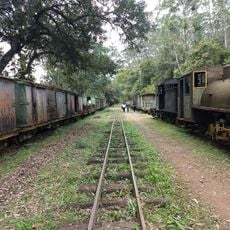
Brazilian Portland Cement is a cement complex in the Perus district of São Paulo, inaugurated on 26 June 1926. Its kilns, grinding and bagging halls, warehouses and quarry works stand beside the Perus–Pirapora branch railway, which linked the Água Fria limestone deposits to the Perus station of the São Paulo Railway. From 1980 the plant only ground and bagged clinker bought from Indústria Santa Rita.
The company was founded in 1924 by a consortium led by the Canadian group Drysdale & Pease, with Sylvio de Campos as its first president, and the factory opened on 26 June 1926. It was a subsidiary of the US firm Lone Star Cement until its sale in 1951 to the JJ Abdalla group. After federal intervention in 1973 and confiscation of the plant, quarries and railway by the Union in 1974, it returned to private hands in the early 1980s. Kiln 4 shut down in 1980 and the factory closed in 1986.
The factory holds deep meaning for local workers and their families, who built their lives around this industrial site. Today, visitors can see the spaces where people gathered and organized for better working conditions.
The site is protected and the buildings are designated as heritage structures, so visitors should be respectful of the grounds. Check access conditions before visiting and allow time to explore the different areas at your own pace.
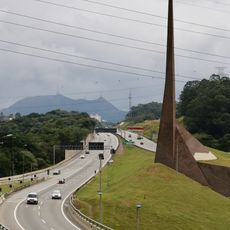
The site operated its own private railway, the Perus-Pirapora Railroad, to transport limestone from distant quarries. This railway system was a rare feature among Brazilian factories and made large-scale production possible.
The community of curious travelers
AroundUs brings together thousands of curated places, local tips, and hidden gems, enriched daily by 94,257 contributors worldwide.