Fazenda do Pocinho, human settlement in Brazil
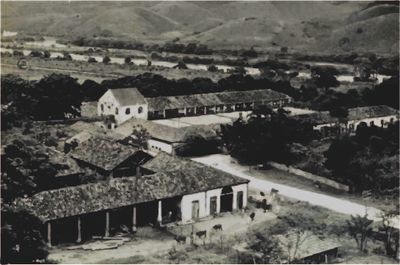
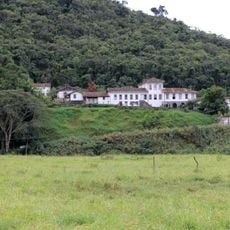
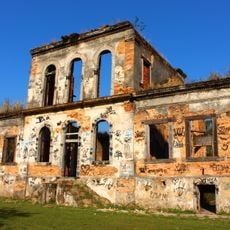
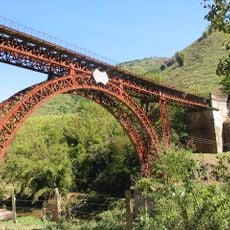
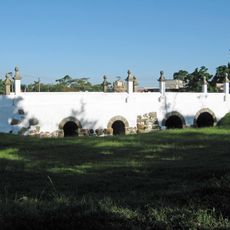
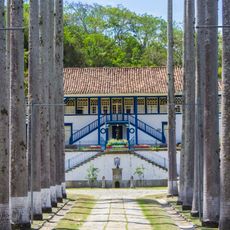
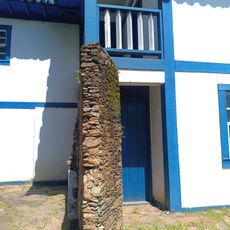
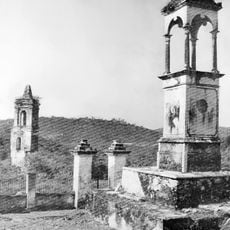
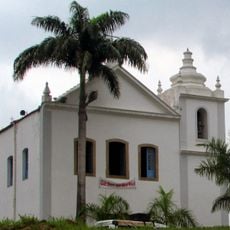
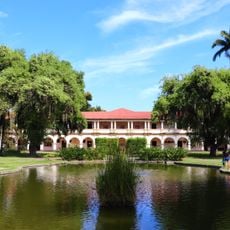
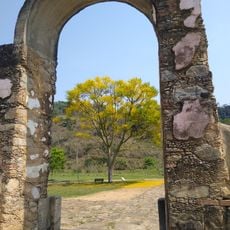
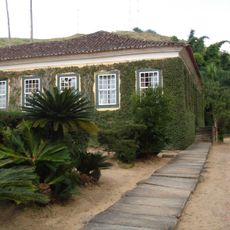
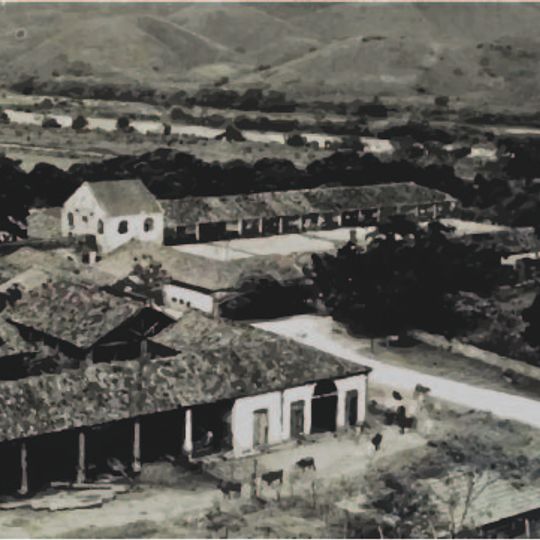
Fazenda do Pocinho is a large historical farm located between Vassouras and Barra do Piraí near the Paraíba do Sul river. The property contains ruins of residences, a three-story wooden coffee mill, storage buildings, grain silos, and remains of enslaved workers' quarters, all built with traditional materials including stone and timber-frame construction.
The farm was established in the 1820s and changed ownership several times, including through Joaquim José Pereira de Faro, the first Barão do Rio Bonito, and later wealthy merchants. Coffee production made it an important economic center in the region until the plantation was abandoned in the late 1900s and placed under heritage protection in 1987.
The name Pocinho refers to a small stream that shaped the area and marked its importance for local people in the past. The remaining structures show the simple, practical way farms were built in the 1800s, reflecting how people lived and worked on these lands.
The grounds are accessible from the main road and visitors can walk freely through the ruins and fields without expecting large visitor facilities. The best time to visit is during dry weather, as the soil becomes muddy in rain and some structures are unsafe to enter due to their condition.
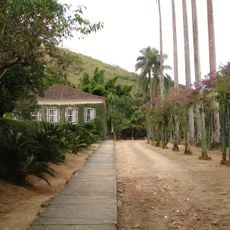
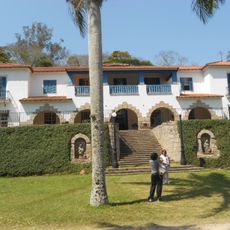
The large owner's mansion originally planned was never built; instead, a smaller manager's house was used, showing how reality departed from initial plans. The tall wooden coffee mill remains one of the most striking remnants and demonstrates the scale and effort invested in the historical operation.
The community of curious travelers
AroundUs brings together thousands of curated places, local tips, and hidden gems, enriched daily by 91,362 contributors worldwide.