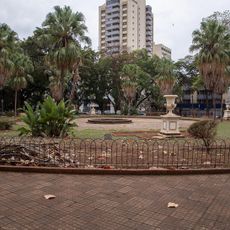
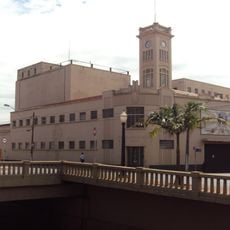
Ribeirão Preto, Metropolitan area in São Paulo, Brazil
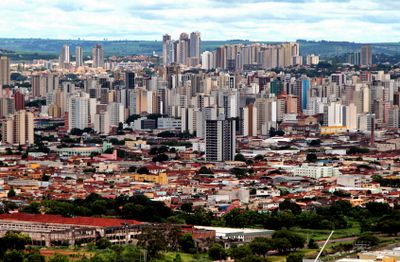
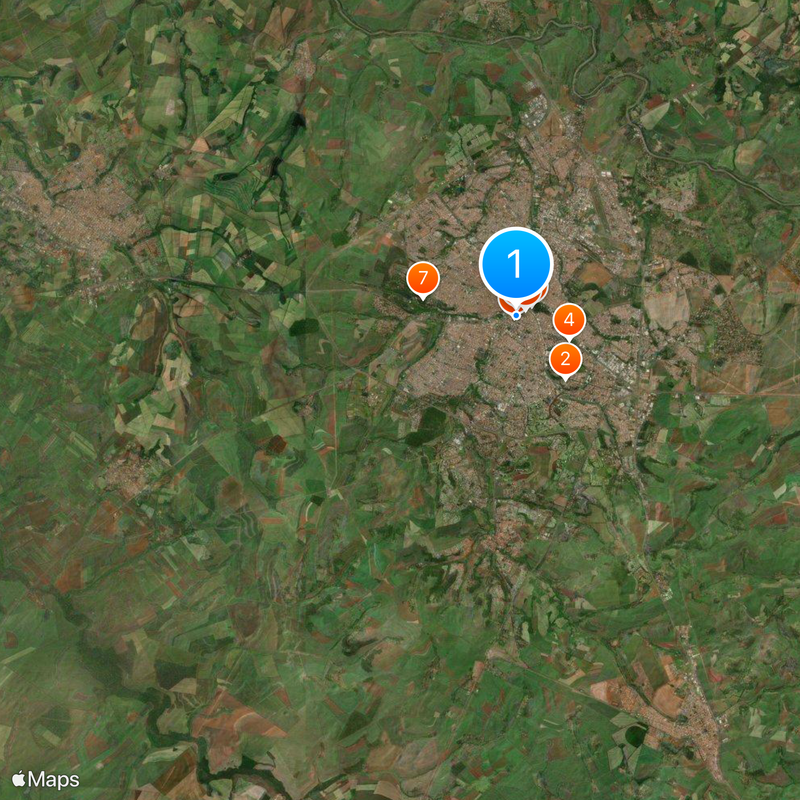
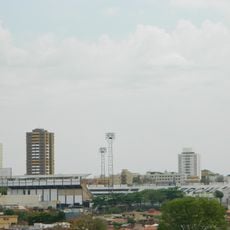
Ribeirão Preto is a large city in northeastern São Paulo state at 583 meters elevation, spreading over fertile land near the Black Creek and Pardo River. Three transportation companies operate over 300 buses on 113 lines, while Leite Lopes Airport offers connections to important destinations across the country.
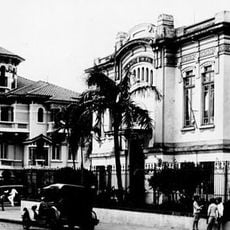
The area developed from a small settlement in 1856 into the world's largest coffee producer by 1880, attracting immigrants who arrived with the construction of the Mogiana Railway. After 1929, the agricultural focus shifted to sugarcane, leading to the emergence of a technology center for health and biotechnology.
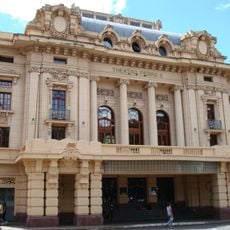
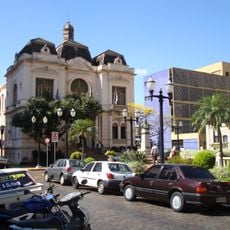
The Pedro II Theater ranks among Brazil's largest opera houses and hosts performances throughout the year in its classically designed halls. The building's architecture reflects the wealth that agriculture brought to the region.
Buses run regularly throughout the city, connecting residential areas with the center, while taxis and private ride services offer additional options for short distances. The airport is close enough to reach without long journeys, and connections to other cities are available directly.
Sugarcane plantations surround large parts of the city and shape the landscape, with fields releasing a strong smell of molasses during harvest season. The shift from coffee to sugar brought new factories that now produce ethanol and biofuels for national and international markets.
The community of curious travelers
AroundUs brings together thousands of curated places, local tips, and hidden gems, enriched daily by 91,399 contributors worldwide.