Sempre Vivas National Park, Federal conservation area in Minas Gerais, Brazil
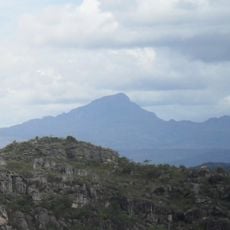
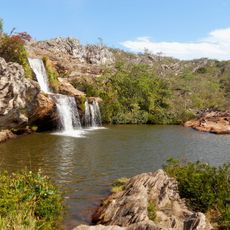
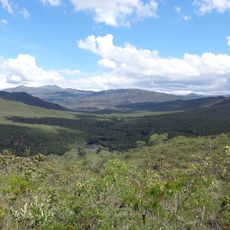
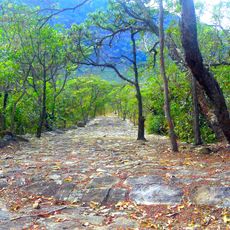
Sempre Vivas National Park is a conservation area in Minas Gerais covering roughly 124,000 hectares of Cerrado woodland with plateaus, mountains, and valleys that rise to about 1,525 meters. The terrain varies considerably across the park, creating diverse habitats for plants and animals.
Sempre Vivas National Park was created by a federal decree without a number on 13 December 2002, with an area of 124,555 hectares, and is administered by the Chico Mendes Institute for Biodiversity Conservation (ICMBio). In 2010 it became part of the Espinhaço Mosaic of conservation units. Its name refers to the many species of sempre-vivas, small flowers typical of the region.
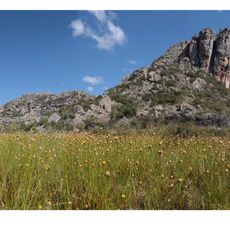
The park's name refers to the sempre-vivas, small flowers of the Eriocaulaceae family that grow in the high campos rupestres. About 70% of the world's sempre-vivas are concentrated in the Serra do Espinhaço, and the park was created in 2002 partly to protect these gathering grounds.
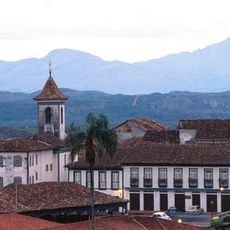
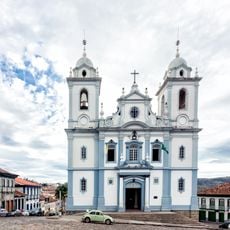
Visits are restricted and require prior authorization from ICMBio, the federal agency that administers the park; there is no open access via Inhaí or any other village. The park spans the municipalities of Bocaiúva, Buenópolis, Diamantina and Olhos-d'Água, about 300 km from Belo Horizonte. Altitudes run from 650 to 1,525 m, with temperatures from 5 to 32 °C and average rainfall around 1,200 mm.
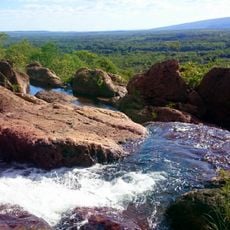
The park holds roughly 600 natural springs that feed into the Jequitinhonha and São Francisco rivers. These water sources support highly varied ecosystems and species found nowhere else.
The community of curious travelers
AroundUs brings together thousands of curated places, local tips, and hidden gems, enriched daily by 92,825 contributors worldwide.