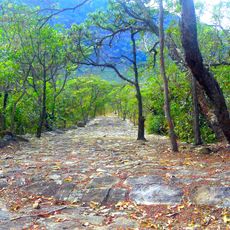
Biribiri State Park, State park in Diamantina, Brazil
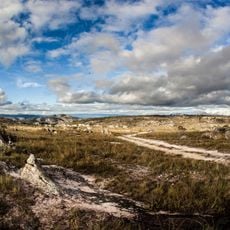
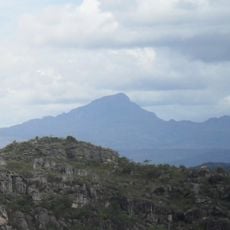
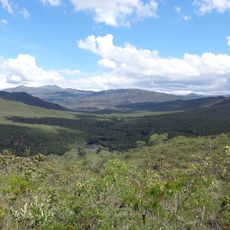
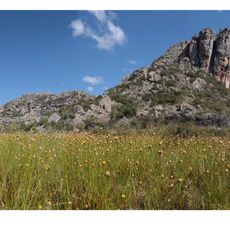
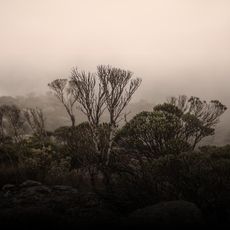
Biribiri State Park is a protected area with mountainous terrain in the Serra do Espinhaço range, where different habitats exist from high plateaus to riverine zones. The land rises and falls across varied elevations, creating diverse conditions for plants and wildlife.
The park was created by decree 39.909 of 22 September 1998 and is named after the Fazenda Biribiri, which covered most of its area. It is run by the State Institute of Forestry (IEF) and joined the Espinhaço Mosaic of conservation units in 2010. In April 2013 the Public Ministry of Minas Gerais charged the institute with failing to comply with environmental legislation, citing the lack of a management plan, structures and staff.
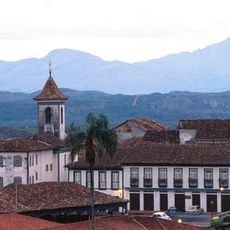
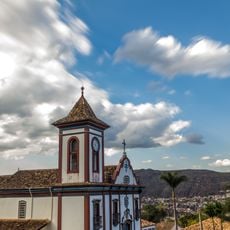
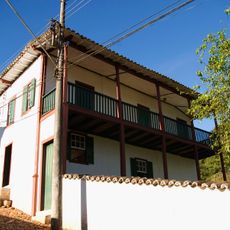
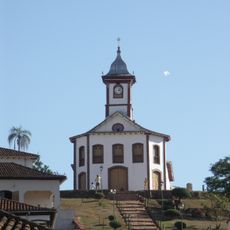
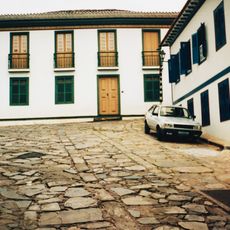
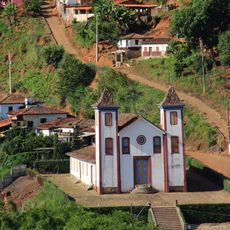
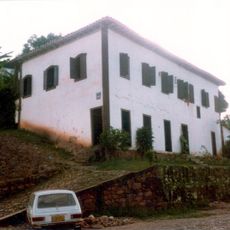
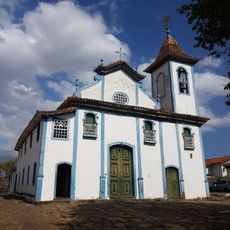
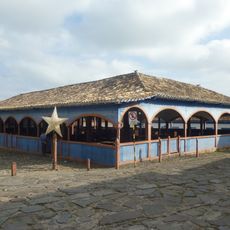
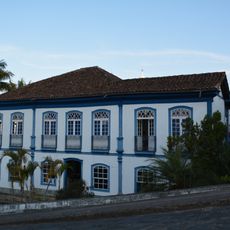
The park's name comes from the Fazenda Biribiri, and in a native language it means "big hole". The abandoned Vila de Biribiri, 13 km from the entrance, keeps the church of Sagrado Coração de Jesus, beside which lies the village's only grave, that of Joaquim Felício dos Santos. Its streets served as a film set for Xica da Silva and A Hora e a Vez de Augusto Matraga.
The area is accessible by simple dirt roads that lead to various waterfalls and allow walks through nature. Visitors should prepare for changing elevations and bring proper footwear and water.
The park's fauna includes the giant anteater (Myrmecophaga tridactyla), the rock cavy (Kerodon rupestris) and the hyacinth visorbearer (Augastes scutatus), a hummingbird tied to the rocky fields. The lesser nothura and the helmeted manakin also occur here. The giant anteater is the species most often mistranslated in older descriptions of the park.
The community of curious travelers
AroundUs brings together thousands of curated places, local tips, and hidden gems, enriched daily by 92,789 contributors worldwide.