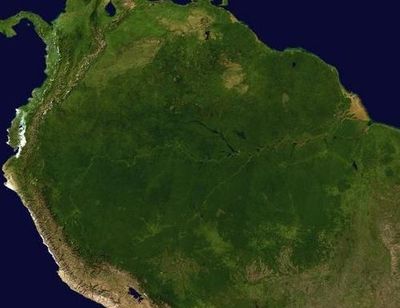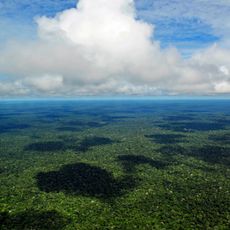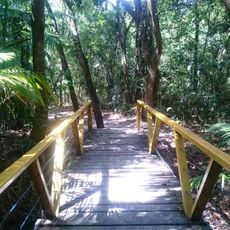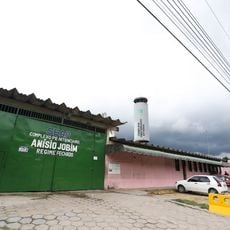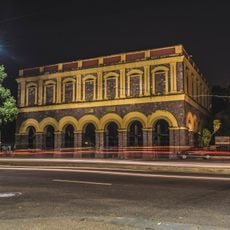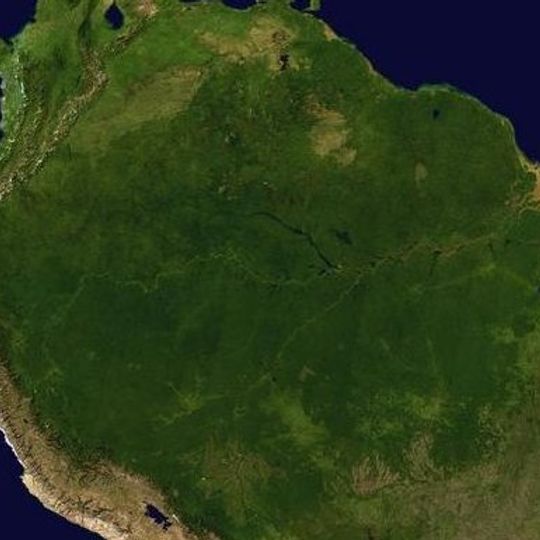
Amazon Basin, Large sedimentary basin in South America.
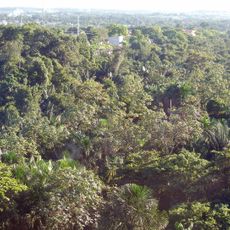
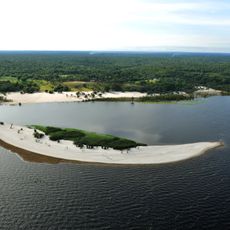
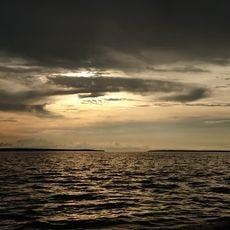
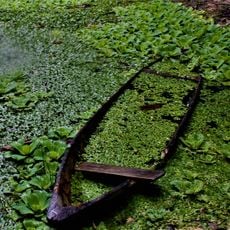
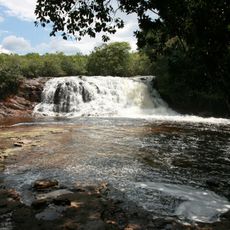
The Amazon Basin is a vast sedimentary depression spanning multiple South American countries and serving as Earth's largest river drainage system. The region is characterized by an intricate network of waterways and vegetated floodplains that support diverse ecosystems across an enormous area.
Early European exploration in the 16th century brought the first written accounts of this vast region to the outside world. Indigenous peoples had inhabited and shaped this landscape for thousands of years before any foreign contact occurred.
The basin remains home to numerous indigenous groups whose daily life revolves around the river and forest resources. Their knowledge of local plants, fishing methods, and seasonal patterns shapes how communities interact with this landscape today.
Seasonal water level changes affect accessibility and travel conditions throughout the region. Understanding these cycles helps visitors plan activities that match current conditions in different areas.
The floodwaters annually deposit nutrient-rich sediments that create exceptionally fertile ground supporting countless species. This natural fertilization process sustains one of Earth's most productive environments.
The community of curious travelers
AroundUs brings together thousands of curated places, local tips, and hidden gems, enriched daily by 92,441 contributors worldwide.