Uatumã Biological Reserve, Biological reserve in Amazonas, Brazil
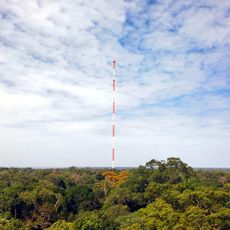
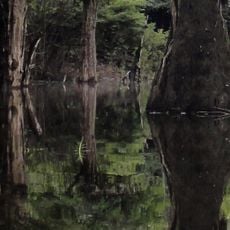
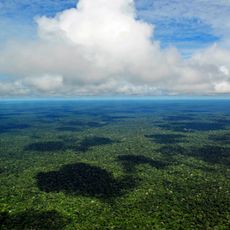
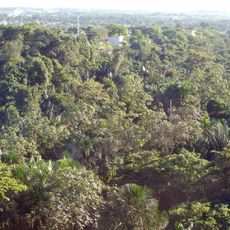
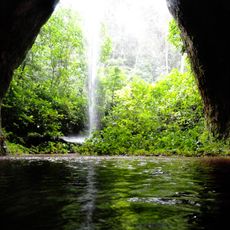
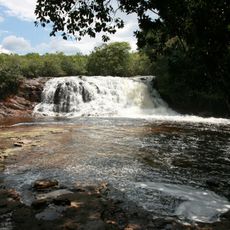
The Uatumã Biological Reserve is a vast protected forest in Amazonas covering nearly a million hectares across multiple river basins. It stretches through dense tropical woodland and includes parts of the Uatumã and Jatapu river systems within its boundaries.
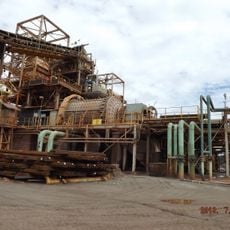
The reserve was created in 1990 in the municipalities of São Sebastião do Uatumã and Itapiranga, initially covering 560,000 hectares, in response to the Balbina hydroelectric plant and cassiterite mining threatening local flora and fauna. A decree of 19 September 2002 expanded it and made it part of the Central Amazon Ecological Corridor, and an advisory council was set up on 23 July 2008. It is administered by the Chico Mendes Institute for Biodiversity Conservation.
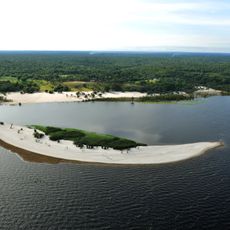
The reserve's name comes from the Uatumã River, whose basin it protects together with the Jatapu. Its 940,358 hectares span the municipalities of Urucará, São Sebastião do Uatumã and Presidente Figueiredo, and it adjoins the Waimiri Atroari Indigenous Territory to the west. The reserve was created in response to the Balbina hydroelectric plant and cassiterite mining, which threatened local flora and fauna.
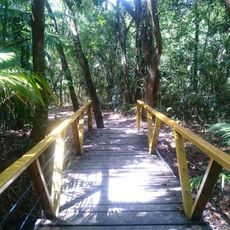
Access to the reserve is restricted as it is a protected area primarily dedicated to scientific research and wildlife protection. Visitors should contact authorities before planning a trip since entry points are limited and often difficult to reach.
The reserve was created in response to threats from the Balbina hydroelectric plant and cassiterite mining, which were endangering local flora and fauna. It also protects the sponge Anheteromeyenia ornata, a species rarely noted in such listings.
The community of curious travelers
AroundUs brings together thousands of curated places, local tips, and hidden gems, enriched daily by 92,872 contributors worldwide.