Instituto Histórico e Geográfico de Alagoas, Historical research institute and museum in central Maceió, Brazil.
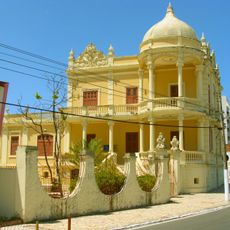
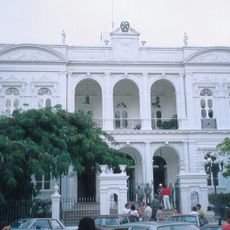
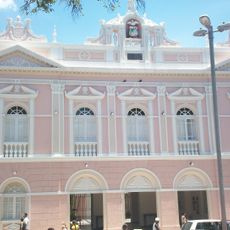
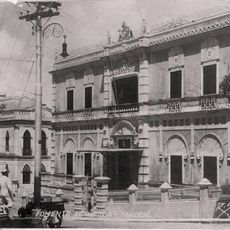
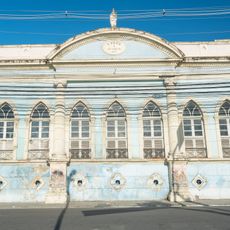
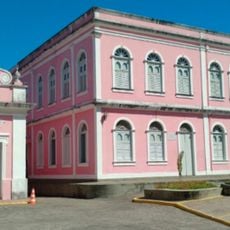
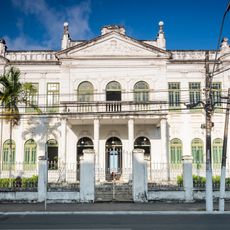
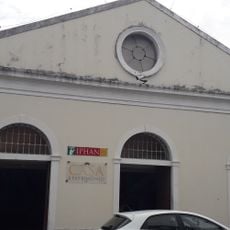
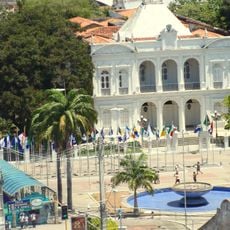
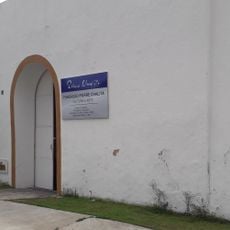
The Instituto Histórico e Geográfico de Alagoas occupies a late 19th-century house that belonged to Américo Passos Guimarães, expropriated by the state government in 1909 and listed as state heritage since 1998. Its rooms hold the museum's permanent display, including 191 Marajoara ceramics donated by Jonas Montenegro, Dutch, French and Portuguese cannons, and the Cangaço Cycle collection with belongings of Lampião and Maria Bonita.
The institute was founded in 1869 and ranks among Brazil's oldest research organizations of its kind. It began operations in a different building and has documented the history and geography of Alagoas ever since.
The institute displays objects that show how people lived in Alagoas, including items from sugar mills and pieces connected to the Cangaço period. These collections help visitors understand the events and ways of life that shaped the region.
The institute occupies a late-19th-century house in downtown Maceió, listed as state heritage since 1998. Its library holds about 16,000 volumes, 6,000 of them rare, alongside a newspaper archive of 79 titles and a map collection of 228 items. Part of the collection is on permanent display in the museum; the rest is consulted on site.
The ethnographic collection holds several hundred objects from indigenous peoples and preserves documents related to a notable 1912 incident. This material offers insight into lesser-explored aspects of the region's past.
The community of curious travelers
AroundUs brings together thousands of curated places, local tips, and hidden gems, enriched daily by 92,946 contributors worldwide.