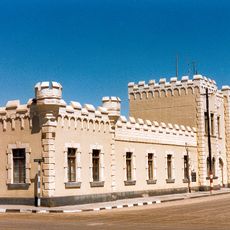
Swakopmund, Coastal resort city in Erongo Region, Namibia
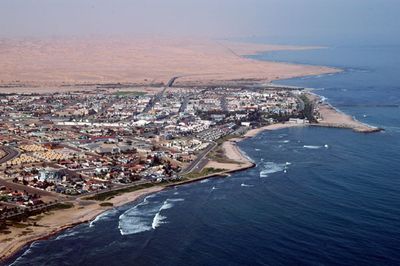
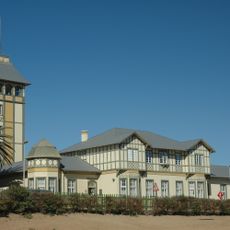
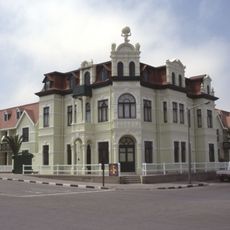
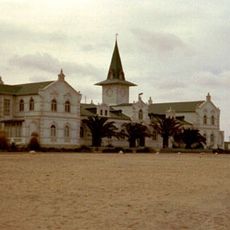
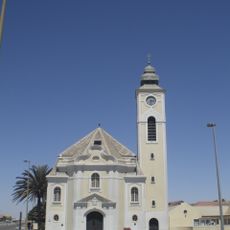
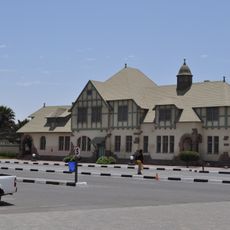
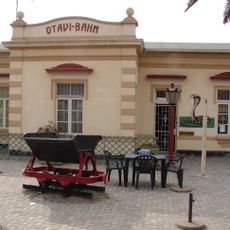
Swakopmund is a coastal city in Erongo Region, Namibia, lying between the Atlantic Ocean and the Namib Desert. Wide streets run past colonial buildings, with palm trees and low structures shaping the townscape.
German colonial authorities founded the settlement in 1892 as a harbor for German South West Africa. After World War I, administration passed to South Africa, which kept control until Namibian independence in 1990.
The name comes from the Swakop River, which rarely carries water and runs through town. Today most residents have Damara and Ovambo roots, though German is still spoken in daily life.
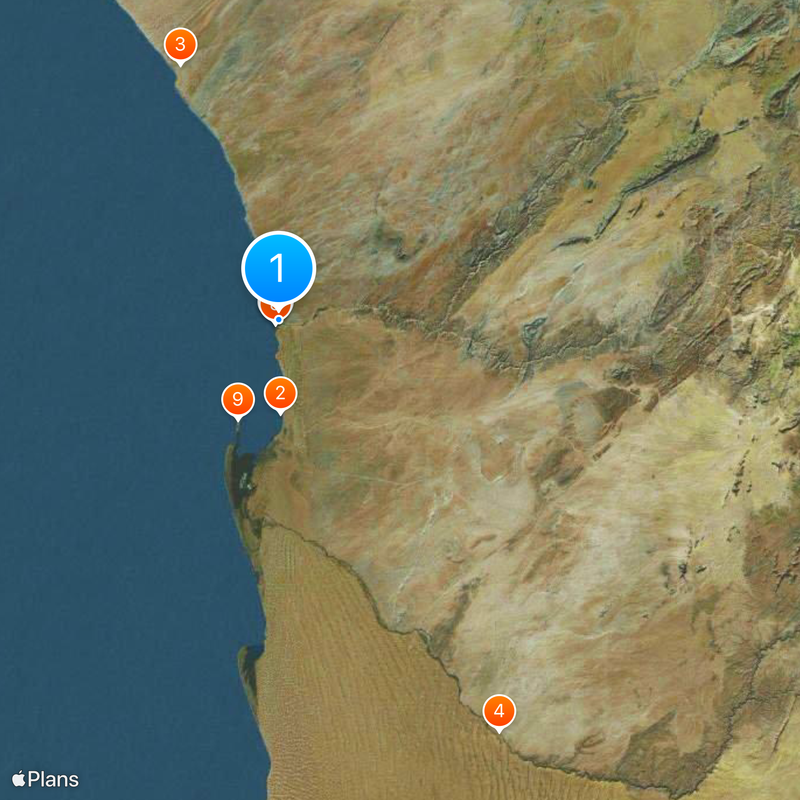
The city lies roughly 224 miles (360 kilometers) west of Windhoek on the coast and connects via national road B2. Morning hours offer clear views, while afternoon fog often rolls in from the ocean.
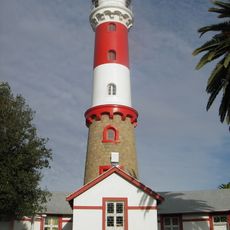
The lighthouse from 1902 still stands and uses electric light instead of petroleum. A desert ecology research station operates at the city edge, where the Namib meets the Atlantic.
Location: Erongo Region
Inception: August 4, 1892
Elevation above the sea: 6 m
Website: http://swkmun.com.na
GPS coordinates: -22.67678,14.53140
Latest update: December 4, 2025 23:01
Namibia offers travelers a diverse landscape of natural wonders and historical landmarks that span vast desert plains, dramatic canyons, and protected wildlife reserves. The country's attractions range from Etosha National Park, where large herds gather at waterholes across more than 8,500 square miles (22,000 square kilometers) of protected land, to the towering red dunes of Sossusvlei rising 1,000 feet (300 meters) above white salt pans. Fish River Canyon cuts 100 miles (160 kilometers) through the southern landscape, while along the Atlantic coast, the Skeleton Coast preserves the remains of ships lost in foggy waters and hosts thriving seal colonies. Rock engravings at Twyfelfontein, created by San peoples over 6,000 years ago, document ancient wildlife and spiritual practices through more than 2,500 carvings in red sandstone. The Namib Desert, one of Earth's oldest arid regions, supports specialized wildlife and plant species that have adapted to extreme conditions over millions of years. Conservation areas like Okonjima protect cheetahs and leopards through research and rehabilitation programs, while coastal wetlands at Pelican Point and Sandwich Harbour provide feeding grounds for flamingos, pelicans, and thousands of Cape fur seals. The collection also includes Kolmanskop, a German colonial diamond mining settlement from 1908 that now stands abandoned as sand dunes gradually reclaim its buildings. These destinations demonstrate how human history, geological forces, and resilient ecosystems have shaped this southwestern African nation into a compelling destination for nature and culture enthusiasts.
Bird Island
22.5 km
Dorob National Park
66.5 km
Gobabeb
112.4 km
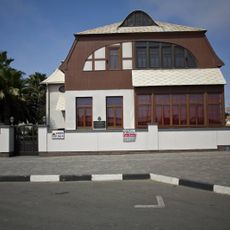
Woermann House
773 m
Hohenzollern Building
756 m
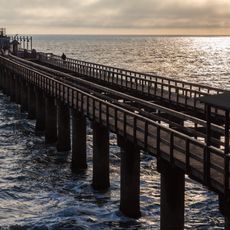
Swakopmund Jetty
1.2 km
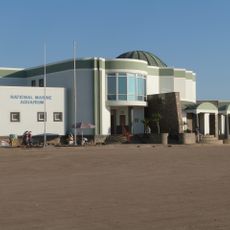
National Marine Aquarium of Namibia
1.3 km
Pelican Point Lighthouse
25.9 km
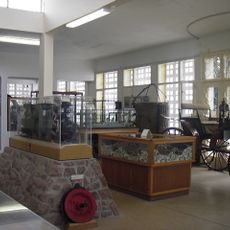
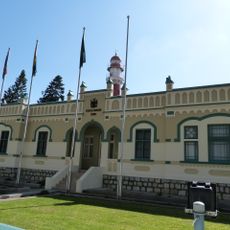
Museum Swakopmund
835 m
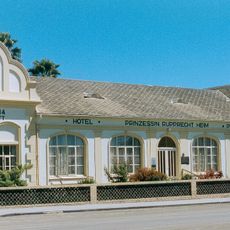
Prinzessin Rupprecht Heim
939 m
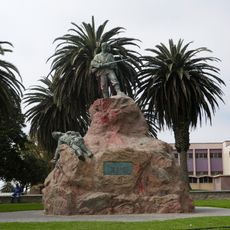
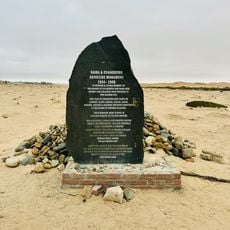
Marine-Denkmal
678 m
Leuchtturm Swakopmund
744 m
Vogelfederberg
62.9 km
Evangelical Lutheran Church
211 m
Altes Gefängnis
649 m
St. Matthew's Anglican Church
31.9 km
The Dome
1.3 km
Swakopbrücke
1.3 km
Rhenish Mission Church
32.3 km
Parc national de Dorob
83.7 km
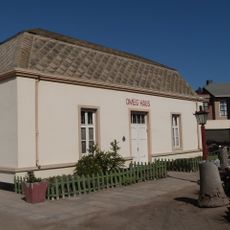
OMEG-Haus
408 m
Kramersdorf Building
483 m
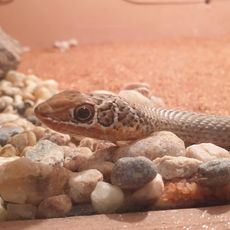
The Living Desert Snake Park
946 m
State House (Swakopmund)
738 m
Jan-Wilken-Stadion
31.6 km
Rossmund Desert Golf Course
6.5 km
Sandwich Harbour
79.7 km
Railway Engine No. 652
30.9 kmReviews
Visited this place? Tap the stars to rate it and share your experience / photos with the community! Try now! You can cancel it anytime.
Discover hidden gems everywhere you go!
From secret cafés to breathtaking viewpoints, skip the crowded tourist spots and find places that match your style. Our app makes it easy with voice search, smart filtering, route optimization, and insider tips from travelers worldwide. Download now for the complete mobile experience.
A unique approach to discovering new places❞
— Le Figaro
All the places worth exploring❞
— France Info
A tailor-made excursion in just a few clicks❞
— 20 Minutes