Grootvadersbosch Nature Reserve, South African nature reserve
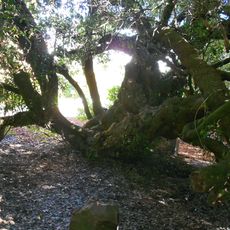
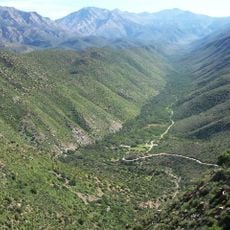
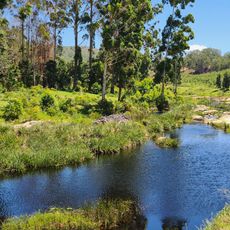
Grootvadersbosch is a nature reserve covering about 250 hectares of Afrotemperate forest in the Langeberg region near Heidelberg. The dense canopy of yellowwood, stinkwood, and ironwood trees creates a cool, shaded interior with moss-covered ground and abundant bird life.
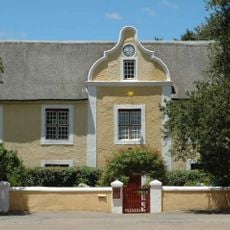
The area was originally known as Melkhoutskraal and was owned by Roelof Oelofse in 1723. It became an officially protected reserve in 1986 and was designated a World Heritage Site in 2004.
The name comes from Roelof Oelofse, a hermit known as "Groot Vader" (Great Father) who owned the land in 1723; later owners kept the title. The forest was originally called Melkhoutskraal. The reserve lies within the Boosmansbos Wilderness Area, proclaimed in 1978, and has been part of the UNESCO Cape Floral World Heritage Site since 2004.
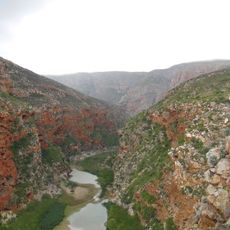
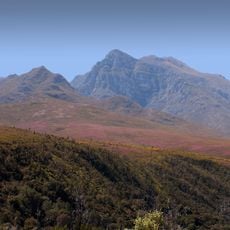
The reserve lies in the Langeberg foothills north of the gravel road between Swellendam and Heidelberg, reached via the Tradouws Pass. A foot trail and a mountain bike trail cross the forest. Boosmansbos receives about 1050 mm of rain a year, with drier spells from May to July and December to January. The Grootberg, at 1637 m the highest point of Boosmansbos, rises above the forest.
The Cape bushbuck was first recorded by European scientists in this forest in 1776, when the Swedish naturalist Anders Sparrman visited. Herpetologist John D. Visser searched for more than 50 years before finding the eggs of the Eastern ghost frog here. The vulnerable Grootvadersbosch dwarf chameleon is endemic to the forested region.
The community of curious travelers
AroundUs brings together thousands of curated places, local tips, and hidden gems, enriched daily by 94,068 contributors worldwide.