Natal Observatory, Historic astronomical observatory in KwaZulu-Natal, South Africa
Natal Observatory is an astronomical facility that stood in Durban as a center for observing the sky and tracking weather patterns. It was equipped with a refracting telescope and meteorological instruments to record celestial events and gather data about the local climate.
David Gill of the Cape Observatory urged Natal's government to found the observatory for the transit of Venus on 4 December 1882; Edmund Neville Nevill arrived on 27 November and observed it despite equipment problems. Nevill directed it until it closed in 1911, after Natal joined the Union of South Africa in 1910.
The staff was unusual for its time: several women, including members of the Grant family, were hired as human computers to reduce observations. Mabel Grant rose from computer to senior astronomical assistant (1891–1903) and married Nevill in 1894; she was also South Africa's women's singles tennis champion from 1891 to 1894.
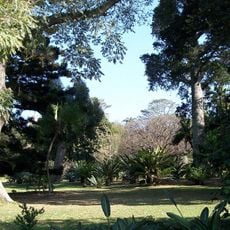
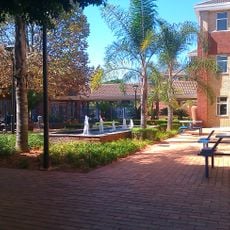
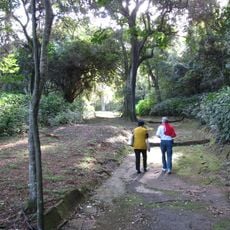
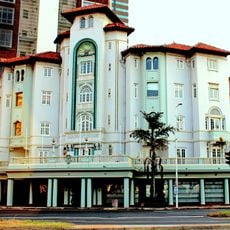
The site is located in Durban near the harbor in an accessible urban area that is easy to reach. Today it sits among other historical structures that reflect the city's scientific past and maritime heritage.
Nevill's lunar work was ready for publication by the end of 1894, but the Natal government never voted the funds to print it. In 1898 he wrote that the manuscript had been wrapped in brown paper and tied with red tape. The next year a leaking roof damaged it during a rainstorm, and E. W. Brown, M. Radau and P. H. Cowell later received credit for similar work.
The community of curious travelers
AroundUs brings together thousands of curated places, local tips, and hidden gems, enriched daily by 93,011 contributors worldwide.