Tsumeb, city in Namibia
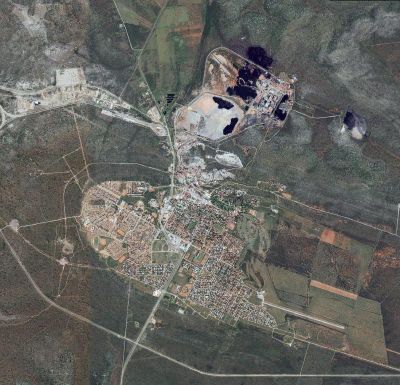
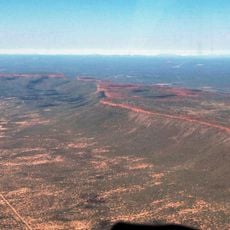
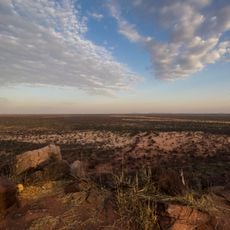
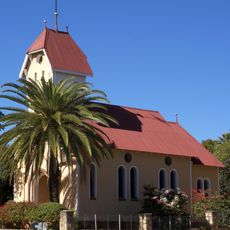
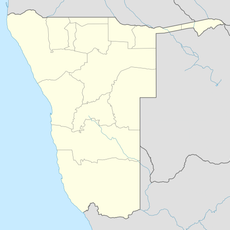
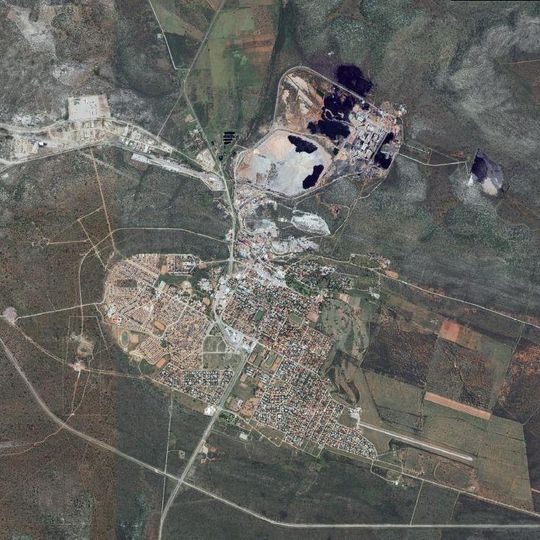
Tsumeb is a city in the Oshikoto Region in northern Namibia, known for its rich mining history. The town sits in a hilly area with semi-arid climate and red to chalky soil, with around 35,000 residents who live from various industries including mining, a cement factory, and a railway sleeper manufacturing plant.
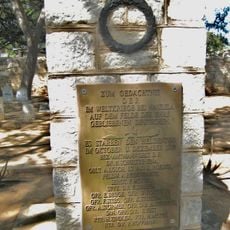
Tsumeb was founded in 1905 during German colonial rule as a mining town after rich copper deposits were discovered. The completion of a railway to the port of Swakopmund by 1906 accelerated development and made the city an important mining center for copper, lead, zinc, and over 200 other minerals.
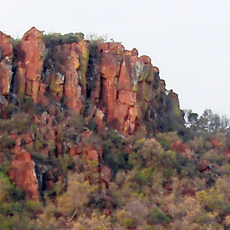
The name Tsumeb comes from local languages and refers to the natural surroundings: in Otjiherero it means "place of frogs" because of the colorful rocks in the area. The town carries today the identity of a center for mineral discovery, shown in how visitors and collectors move through the area and admire the rare crystals.
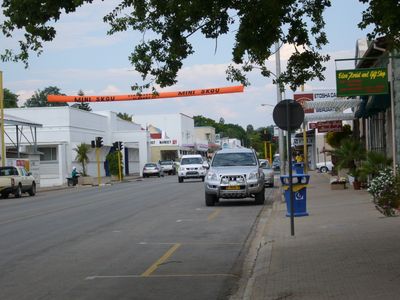
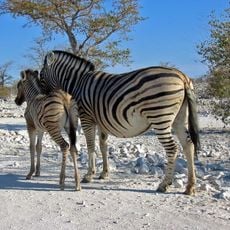
Tsumeb sits along the main road in northern Namibia and makes a good stopping point for visits to Etosha National Park, about one hour away by car. The terrain is hilly with a dry climate, especially in summer, so carry water and sun protection with you.
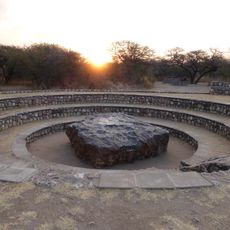
Nearby sits the Hoba meteorite, the heaviest known meteorite in the world weighing around 60 tonnes and made of nickel and iron. This massive stone has lain in a field for thousands of years and draws visitors interested in space and geology.
The community of curious travelers
AroundUs brings together thousands of curated places, local tips, and hidden gems, enriched daily by 91,656 contributors worldwide.