Waterberg Biosphere, Biosphere reserve in Limpopo, South Africa
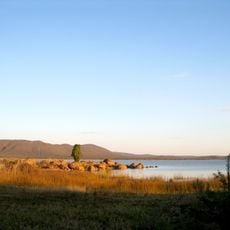
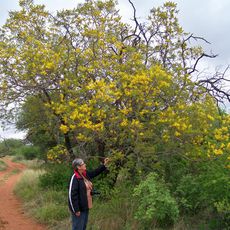
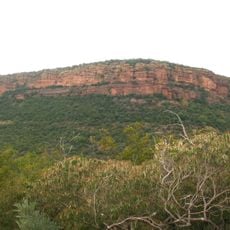
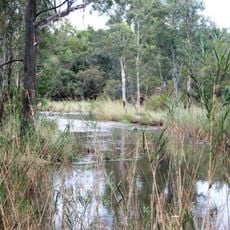
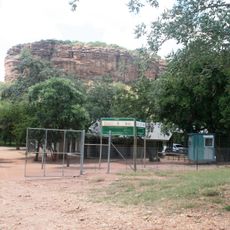
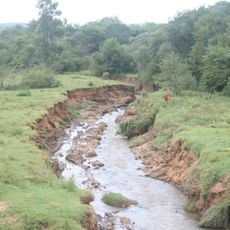
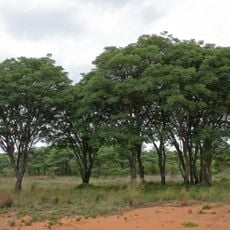
Waterberg Biosphere is a massif of about 654,033 hectares in northern Limpopo, averaging 600 m with peaks up to 2,000 m; German sources give a 150 km chain from Thabazimbi to the Lephalale River and Kransberg at 2,100 m. Cliffs of exposed multi-coloured sandstone rise up to 550 m above the plains, forming mesas, buttes and kopjes. The vegetation is dry deciduous bushveld with rolling grassland, mountain syringa, silver cluster-leaf and lavender tree.
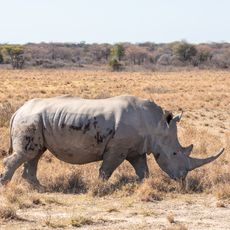
The Waterberg's sandstone overhangs sheltered early humans; Australopithecus africanus fossils found at Makapansgat, 40 km away, date to about three million years ago. San hunter-gatherers arrived roughly two thousand years ago and left rock paintings at Lapalala depicting rhinoceros and antelope. Bantu-speaking Iron Age settlers brought cattle, and from about 1300 Nguni groups built dry-stone walls, some of which survive. The first white settlers arrived in 1808. UNESCO named the Waterberg a Biosphere Reserve, the first in northern South Africa.
The name Waterberg is Afrikaans for "water mountain"; in Northern Sotho the massif is Thaba Meetse, "mountain of water". San painters left images of rhinoceros and antelope at Lapalala, and the fever tree growing on cliffs above the Palala River was believed by Bushmen to allow communication with the dead.
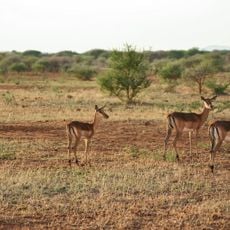
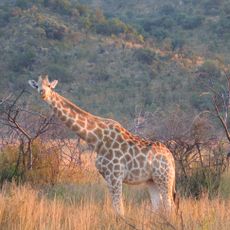
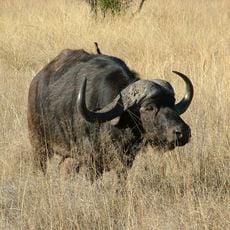
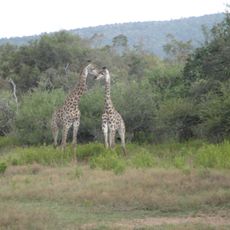
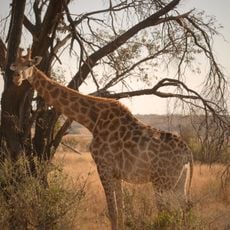
The massif runs about 150 km from Thabazimbi in the southwest to the Lephalale River in the northeast, and few of its roads are paved. Marakele National Park, named after the 2,100 m Kransberg, holds camps and lodges and is the main base for game viewing. The dry winter leaves the deciduous canopy bare, which makes animals easier to spot.
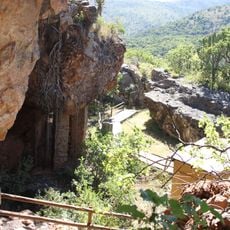
The name Waterberg is Northern Sotho Thaba Meetse, meaning mountain of water, after the sandstone that stores groundwater. The cliffs rise up to 550 m above the plains, and the fever tree on the cliffs above the Palala River was held by the San to allow communication with the dead; one such site, with intact rock paintings, was used for prehistoric ceremonies.
The community of curious travelers
AroundUs brings together thousands of curated places, local tips, and hidden gems, enriched daily by 94,830 contributors worldwide.