German East Africa, Historical colony in East Africa, German Empire.
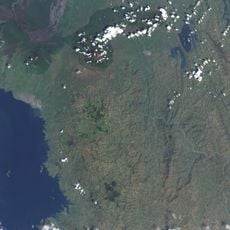
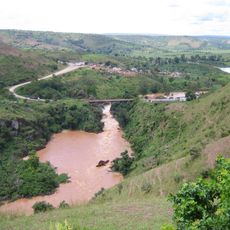
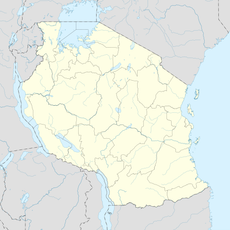
German East Africa was a colonial territory in eastern Africa covering present-day Tanzania, Rwanda, and Burundi across about one million square kilometers of varied landscapes. The region was developed with plantations producing cotton, sisal, coffee, and rubber, with infrastructure expanding from the coastal city of Dar es Salaam.
German merchants and trading companies began establishing control from 1885 through agreements with local leaders, gradually expanding territorial claims. The administration moved from the port of Bagamoyo to Dar es Salaam and ended in 1919 after World War I.
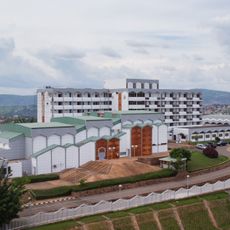
The colony brought German administrative systems and schools that shaped daily life through officials and merchants throughout the territory. This blend of European institutions and local customs left marks on the landscape and urban design that travelers still notice today.
Today the territory no longer exists as a political entity, so visitors interested in this period need to travel to modern Tanzania, Rwanda, and Burundi to find museums and historical sites. Dar es Salaam and other cities in these countries hold collections and archives that document the colonial era.
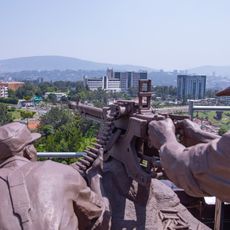
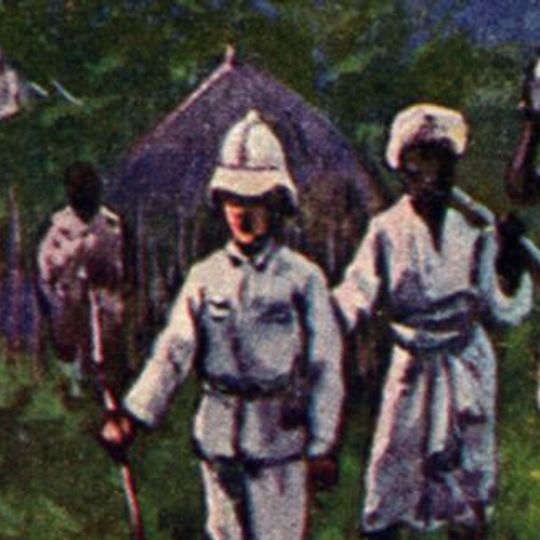
A commander named Paul von Lettow-Vorbeck led local soldiers in an extended guerrilla campaign that lasted until 1919, far longer than expected during World War I. His tactics kept the colonial forces engaged long after the war ended in Europe.
The community of curious travelers
AroundUs brings together thousands of curated places, local tips, and hidden gems, enriched daily by 91,858 contributors worldwide.