Tsingy de Namoroka Strict Nature Reserve, Protected limestone formation park in northwestern Madagascar.
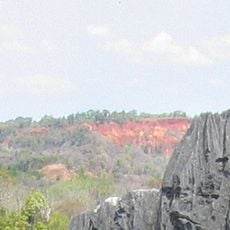
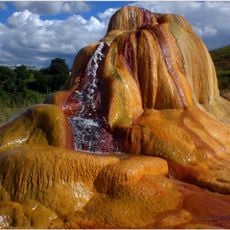
Tsingy de Namoroka is a protected limestone formation in northwestern Madagascar with sharp stone ridges, cave systems, and deciduous woodlands. The landscape features natural pools nestled between jagged formations and canyons that create an unusual geological environment.
Namoroka was first protected in 1927, when the site was declared a strict nature reserve. In 1966 it was reclassified as a special reserve, and in 2002 it became a national park. It now forms a single complex with the neighbouring Baie de Baly national park, and its management was entrusted to Madagascar National Parks.
Local traditions forbid visitors from bringing peanuts and pork into the park, as these foods hold special meaning in Malagasy culture. Respecting these customs helps preserve the spiritual connection that the community maintains with this land.
The dry season from May to October is the best time to visit. The park lies about 50 km south of Soalala, reachable by road from Mahajanga (185 km) or by dhow from Mahajanga. A local guide is recommended for exploring the tsingy, caves and canyons.
The Marosakabe cave system stretches 113 km, making it the longest cave in Africa. The park's name comes from the Malagasy word tsingy, meaning "needle", after the sharp limestone ridges. Namoroka was also used as the codename for version 3.6 of the Mozilla Firefox web browser.
The community of curious travelers
AroundUs brings together thousands of curated places, local tips, and hidden gems, enriched daily by 94,736 contributors worldwide.