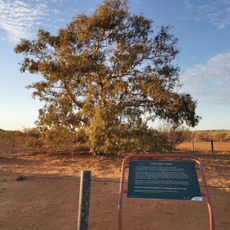
Australian Overland Telegraph Line, Telegraph line between Darwin and Adelaide, Australia
The Australian Overland Telegraph Line ran about 3,200 km from Port Augusta to Darwin, built from more than 30,000 wrought-iron poles set 80 m apart, with insulators, batteries and wire ordered from England. Repeater stations stood no more than 250 km apart, sited where water was available year-round. Surviving poles appear as weathered timber shafts with crossarms and white ceramic insulators.
Construction of this telecommunications circuit finished in August 1872, reducing communication time between Australia and Europe from several months to mere hours. The project marked a turning point in connecting Australia to the wider world during an era when the continent remained largely unexplored.
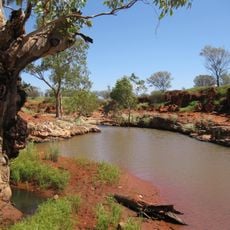
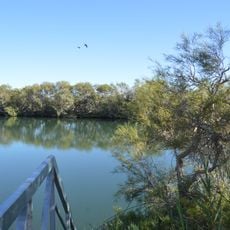
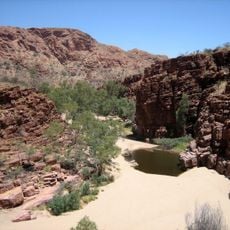
The line's route was chosen partly for water: John McDouall Stuart noted river crossings and water supplies while crossing the continent in 1862, and repeater stations were sited where water was available year-round. The wire thus follows a chain of water sources across the interior.
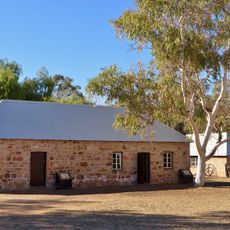
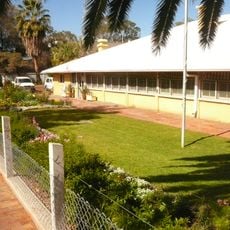
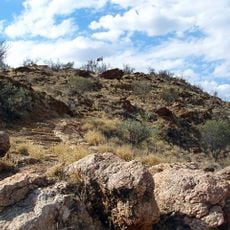
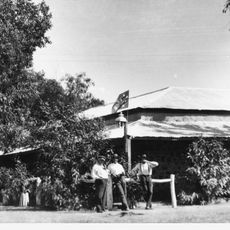
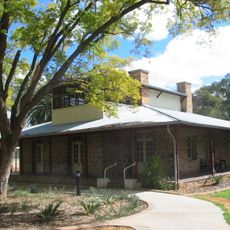
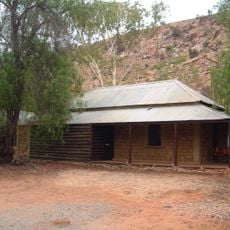
Staffed repeater stations were positioned roughly every 250 kilometers along the route to maintain signal strength and handle message transmission between northern and southern terminals. These stations were spread across sparse terrain and required personnel to keep the connection operational.
The poles were forged abroad and shipped to Australia, representing a remarkable logistical achievement at a time when no rail network existed in remote areas. The system required new skills and techniques to operate effectively in this isolated and harsh setting.
The community of curious travelers
AroundUs brings together thousands of curated places, local tips, and hidden gems, enriched daily by 94,037 contributors worldwide.