Post-Suharto era in Indonesia, Political reform period in Indonesia.
The Post-Suharto era was a period when Indonesia fundamentally restructured its government system and shifted power from central control to regional authorities. This transformation allowed local administrations to make more independent decisions and manage their territories in different ways.
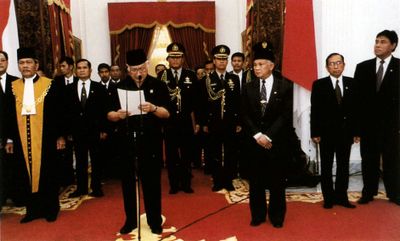
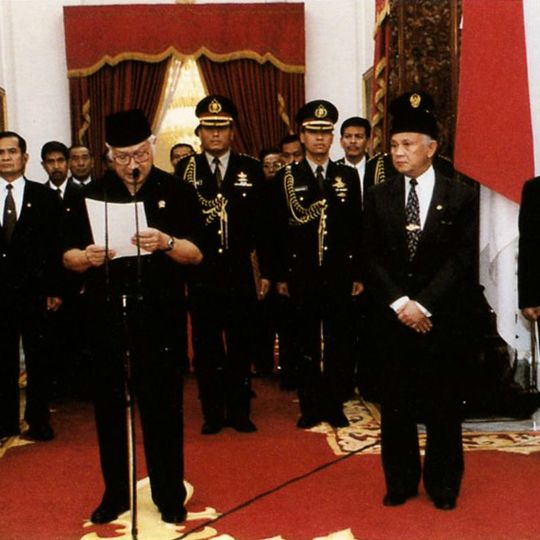
President Suharto's resignation in May 1998 ended his 32-year rule and initiated the Reform Era with new democratic institutions. Direct presidential elections began in 2004, allowing citizens to elect their leader for the first time through popular vote.
Multiple political parties emerged and operated freely during this period, transforming how ordinary Indonesians engaged with politics. People gained the ability to vote and participate in elections that genuinely reflected their choices.
This reform period affected all of Indonesia and changed daily life in both villages and cities across the archipelago. Visitors can see today how these changes shaped local governance and the way communities operate in different regions of the country.
Regional governments gained unprecedented new powers to manage their resources independently and create laws suited to their local conditions. This decentralization caused provinces to pursue vastly different policies, making Indonesia far more regional than it had ever been before.
The community of curious travelers
AroundUs brings together thousands of curated places, local tips, and hidden gems, enriched daily by 90,833 contributors worldwide.