Kakadu National Park, Nature reserve in Northern Territory, Australia
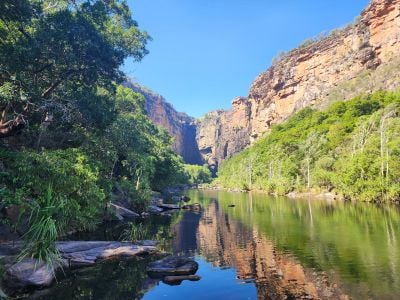
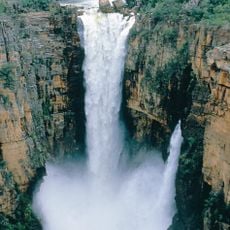
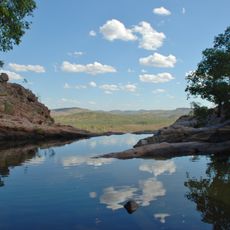
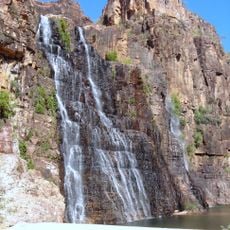
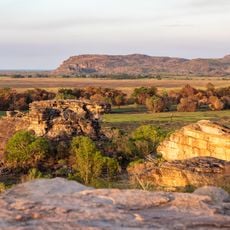
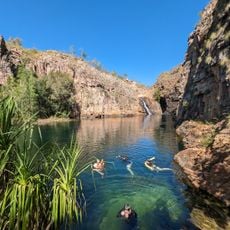
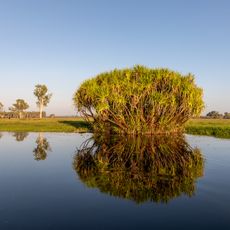
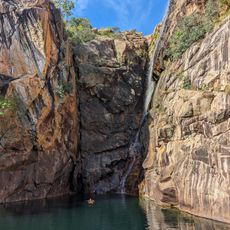
Kakadu National Park is a nature reserve in the Northern Territory that encompasses wetlands, rivers and open woodland stretching from the Alligator River to sandstone escarpments in the east. Waterfalls like Jim Jim Falls and Twin Falls plunge into deep gorges during the wet season, while wide plains dry out in the dry season and attract birds.
Archaeological sites show Aboriginal occupation for at least 40,000 and possibly up to 65,000 years, while the traditional owners state around 60,000 years. The name Kakadu probably comes from a mispronunciation of Gaagudju, an Aboriginal language of the park's north-west. The first phase of the national park was leased by the Buntji clan to the government in 1979, and the park was listed as a UNESCO World Heritage Site in stages from 1981 to 1992.
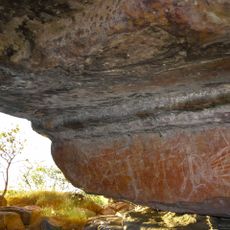
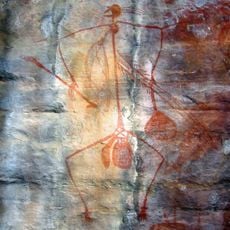
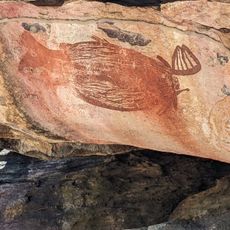
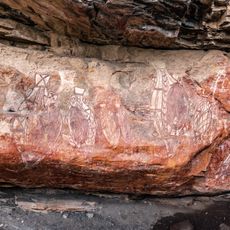
Rock paintings at Nourlangie and Ubirr show hunting scenes, spirit figures and animals created thousands of years ago. Local groups guide visitors to these sites and explain the meaning of the motifs and their connection to creation stories.
Visitors should come between May and October when roads and walking trails are dry and accessible. Crocodiles live in all waterways, so swimming is only allowed in designated spots.
Some paintings show animals that lived in the region thousands of years ago, such as the thylacine, which is now extinct. Saltwater crocodiles can grow over 16 feet (5 meters) long and inhabit rivers, lagoons and coastal sections throughout the park.
The community of curious travelers
AroundUs brings together thousands of curated places, local tips, and hidden gems, enriched daily by 94,110 contributors worldwide.