See the monuments around you in AROpen chests in the app
Around Us is built for your phone — point your camera at the streets and discover the monuments and places around you in augmented reality.Around Us is built for your phone — chests unlock when you walk, explore and capture nearby places.
What to see in the Northern Territory of Australia: natural sites, national parks, and deserts
The Northern Territory in Australia offers landscapes from the wet tropical areas of the Top End to the red stretches of the Red Centre. This collection brings together about thirty sites that show this variety: Darwin, a city facing the sea of Timor, the rock formations of Uluru and Kata Tjuta rising in the desert, the gorges of Katherine where water has carved the rock over millions of years, and the parks of Kakadu and Arnhem Land where you find some of the oldest cave paintings in the world.
These places also tell the story of the indigenous peoples who have lived here for tens of thousands of years. At Kakadu and Uluru-Kata Tjuta, both listed as UNESCO World Heritage sites, the human history is visible in painted caves, sacred areas, and the ongoing traditions. Between monsoon forests, floodplains, gorges, and ocher deserts, the territory is interesting both for its rock formations and for the lively culture that lives in them.
What to see in the Northern Territory of Australia: natural sites, national parks, and deserts
The Northern Territory in Australia offers landscapes from the wet tropical areas of the Top End to the red stretches of the Red Centre. This collection brings together about thirty sites that show this variety: Darwin, a city facing the sea of Timor, the rock formations of Uluru and Kata Tjuta rising in the desert, the gorges of Katherine where water has carved the rock over millions of years, and the parks of Kakadu and Arnhem Land where you find some of the oldest cave paintings in the world.
These places also tell the story of the indigenous peoples who have lived here for tens of thousands of years. At Kakadu and Uluru-Kata Tjuta, both listed as UNESCO World Heritage sites, the human history is visible in painted caves, sacred areas, and the ongoing traditions. Between monsoon forests, floodplains, gorges, and ocher deserts, the territory is interesting both for its rock formations and for the lively culture that lives in them.
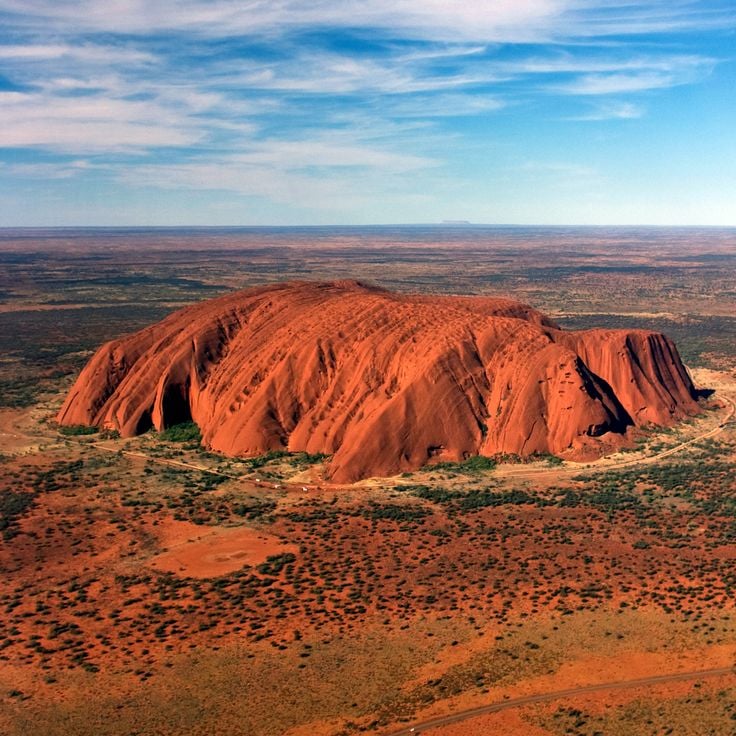
Uluru is a massive red sandstone rock standing alone in the heart of the Red Centre desert. Sacred to the Anangu people for tens of thousands of years, it transforms through shades of orange, red and deep purple as the sun moves across the sky. Walking paths circle the base and lead to caves and water sources that hold meaning in Anangu culture. The rock rises 1,141 feet (348 meters) and its presence shapes how people experience the vast, quiet landscape around it. This place connects visitors to one of the world's oldest living cultures.
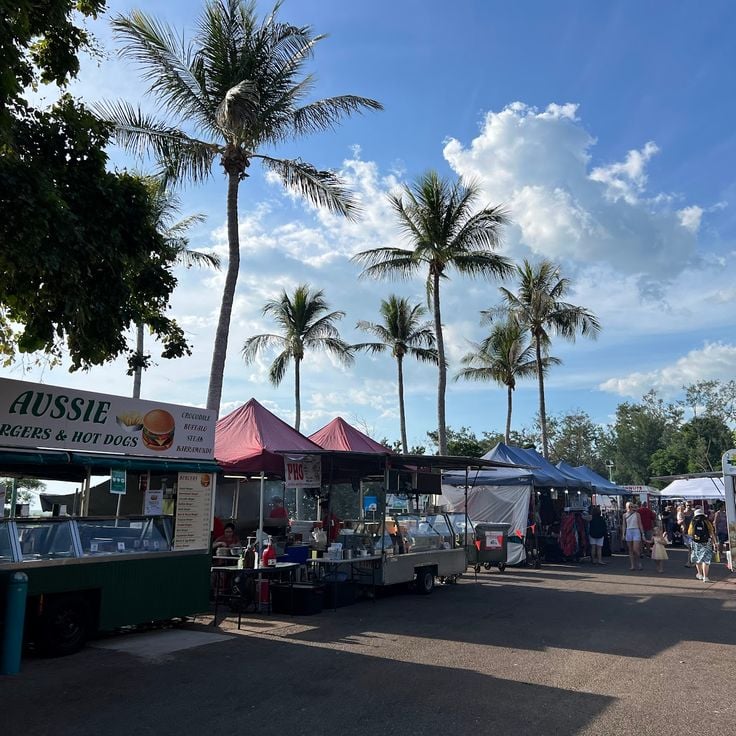
The Mindil Beach Sunset Market in Darwin is where locals and visitors gather in the evening along the waterfront. The market spreads across the beach with craft stalls, food vendors, and a relaxed vibe. People browse handmade items while eating a variety of cuisines, from Asian to Australian. As the sun drops toward the sea, the beach fills with onlookers watching the sky change color. This market reflects Darwin's connection to the Indian Ocean and its informal, mixed community.
Litchfield National Park is a national park in the tropical region of the Northern Territory, known for its waterfalls, natural pools, and rainforests. Water cascades over rocky cliffs into pools that are perfect for swimming. The landscape shifts between dense forests and open areas. Visitors come here to swim in the clear waters and explore the natural surroundings.
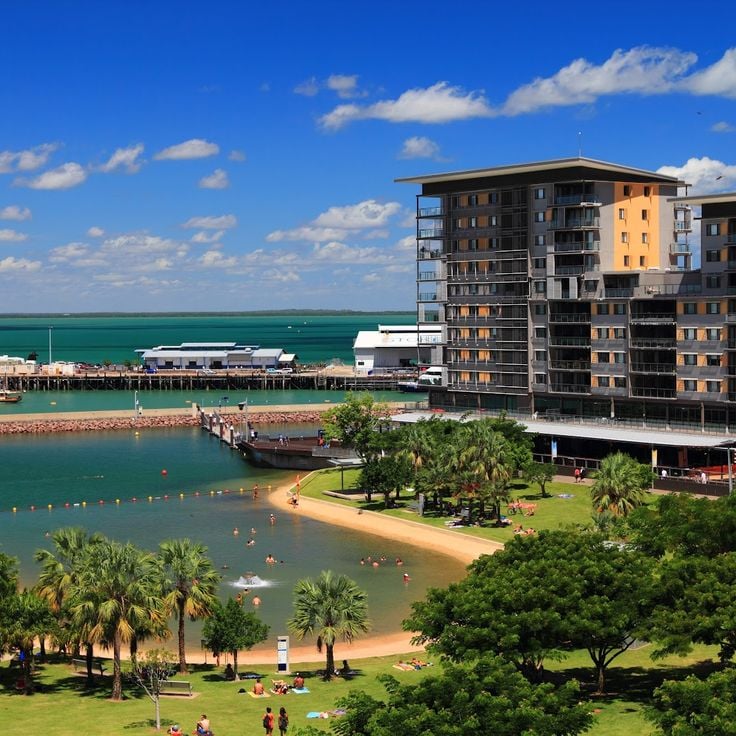
The Darwin Waterfront Precinct is a public space along the coast of Darwin where swimming areas, restaurants, and green spaces come together. This place shows how the capital of the Northern Territory faces toward the Timor Sea and how people here spend their free time by the water. The waterfront promenade is a gathering spot for locals and visitors who enjoy the tropical setting and water activities.
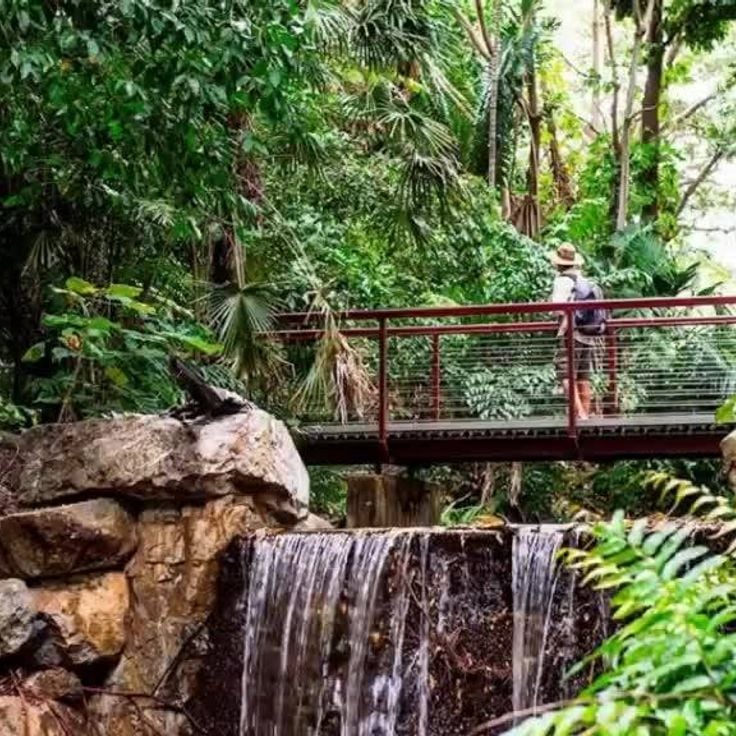
The George Brown Darwin Botanic Gardens is a tropical botanical garden in Darwin that shows the variety of plants found in the Northern Territory. The gardens contain plant collections from this region, with pathways that lead through different habitats. Visitors can walk through the grounds while looking out over Darwin Harbour. The gardens sit at the edge of the city and bring together the tropical nature of the Top End with Darwin's urban spaces.
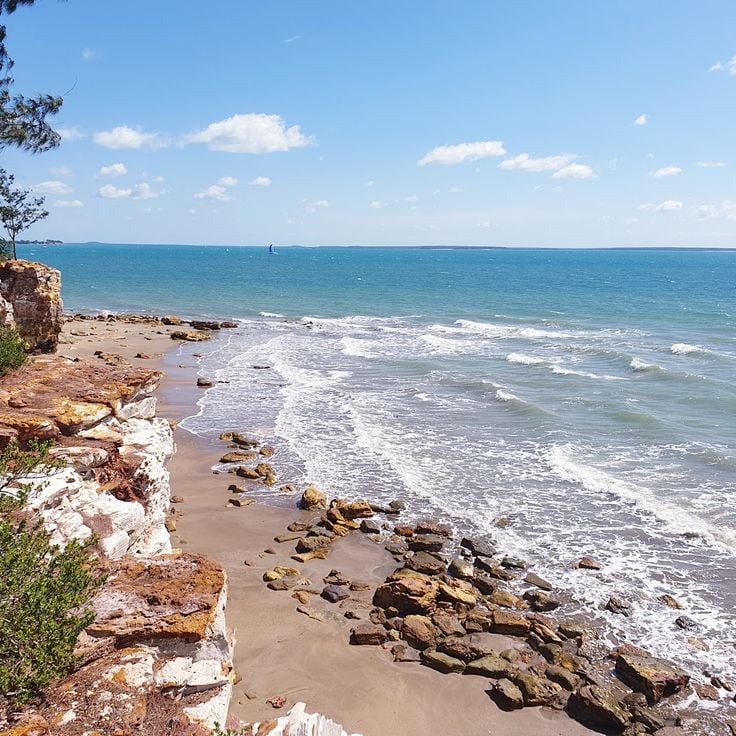
East Point Reserve is a natural area on a peninsula near Darwin with beaches, walking paths and picnic spots. From this location you can look out over the harbour and the sea. The reserve attracts people who want to spend time outdoors and explore the coastal landscape. You can walk through the area, sit and enjoy the views or have a picnic. This reserve shows the tropical environment of the Top End with its natural coastal features.
The Territory Wildlife Park at Berry Springs shows the animals and plants of the Northern Territory. Visitors can see crocodiles, birds, and other creatures that live in this region. The park gives a good overview of the variety of nature that exists between the tropical zones in the north and the red desert landscapes of the Red Centre. You can walk through different areas and watch the animals in their natural settings.
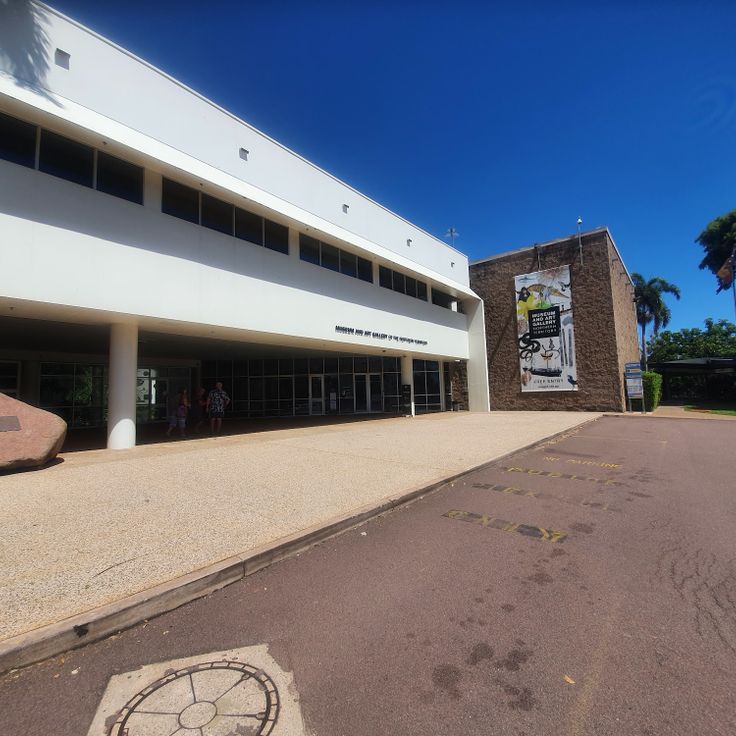
The Museum and Art Gallery of the Northern Territory in Darwin displays collections about the history and culture of the Northern Territory. Here you can see works by artists from the region and objects that tell the story of Aboriginal life. The exhibitions also cover the natural history and European settlement of the north. This museum helps visitors understand the diversity and stories of this region.
Kakadu National Park is one of the most significant UNESCO World Heritage sites and shows the diversity of the Northern Territory. Throughout the park, waterfalls flow through stone gorges, forests alternate with open plains, and wildlife thrives in many forms. What makes this park special are the rock galleries containing artwork created by Aboriginal people over thousands of years. These images are part of a living culture that continues today. Visitors can walk through different landscapes and learn how deeply people are connected to this land.
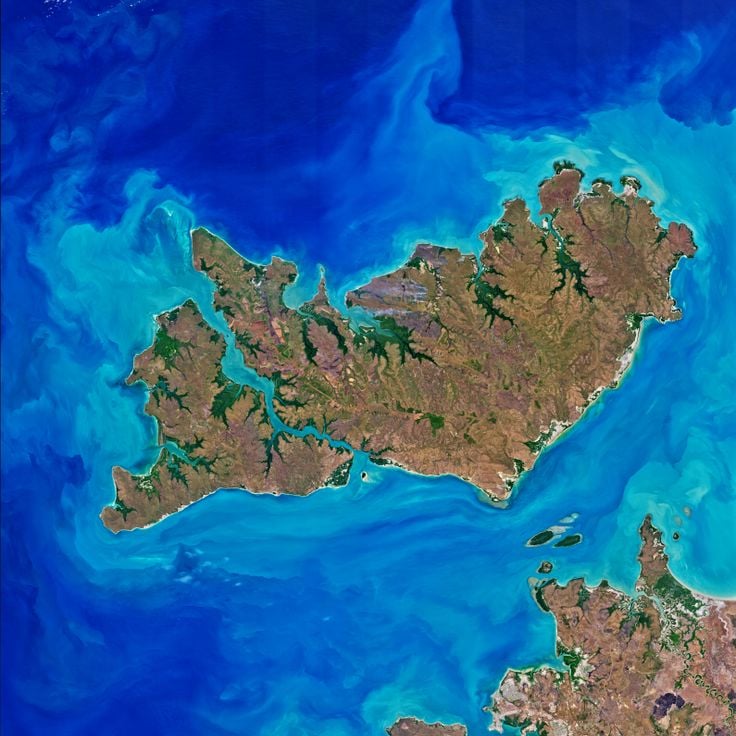
The Tiwi Islands are an island group off Darwin, home to the Tiwi people for thousands of years. The communities here maintain living traditions through art, dance, and ceremony that continue today. Visiting these islands offers a direct encounter with Aboriginal culture and the way people connect to this tropical environment.
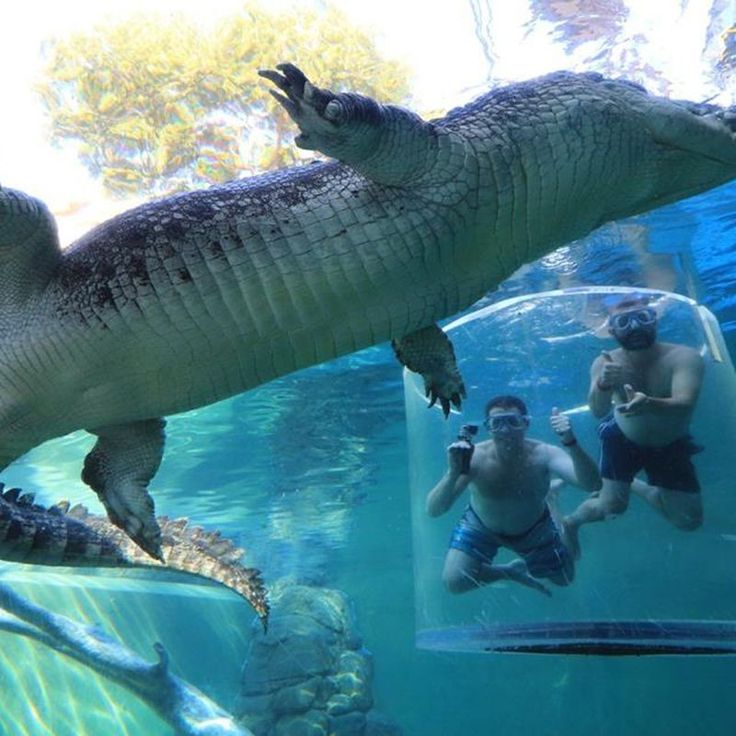
Crocosaurus Cove in Darwin is an attraction where you can see saltwater crocodiles up close. The site has swimming pools for bathing and interactive experiences where you can learn about the animals and how they live. Located by the water, it offers a look at the wildlife of tropical northern Australia.
Wangi Falls in Litchfield Park features a waterfall that drops into a natural swimming pool surrounded by tropical forest. The water is cool and clear, and visitors often swim here on hot days. The area shows the lush vegetation typical of the Top End, with tall trees and thick undergrowth. This waterfall represents the geological forces that have shaped the Territories over millions of years.
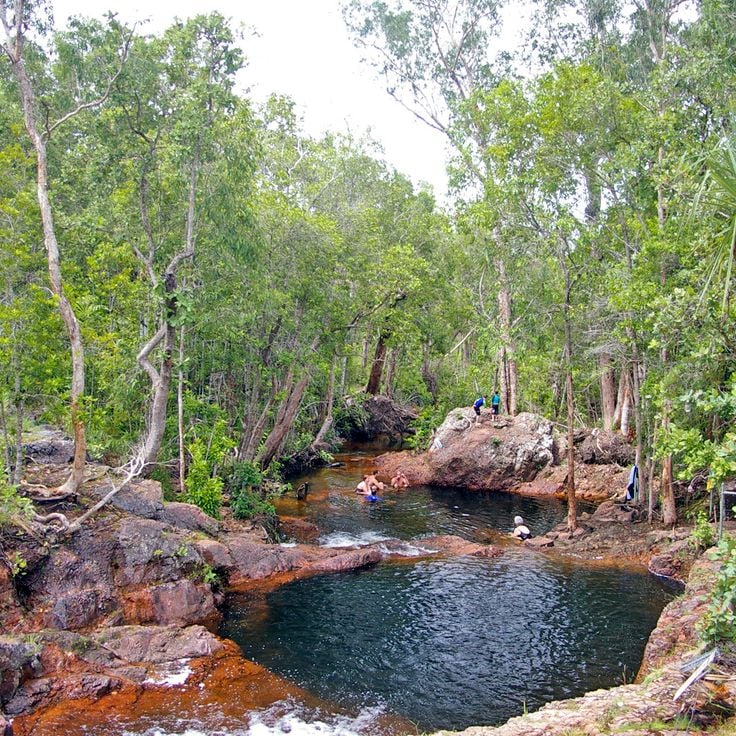
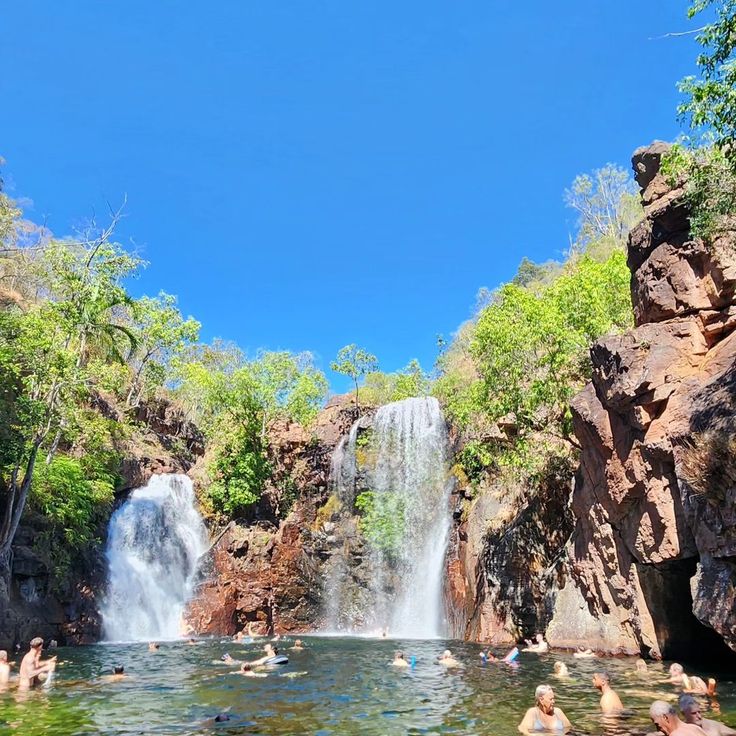
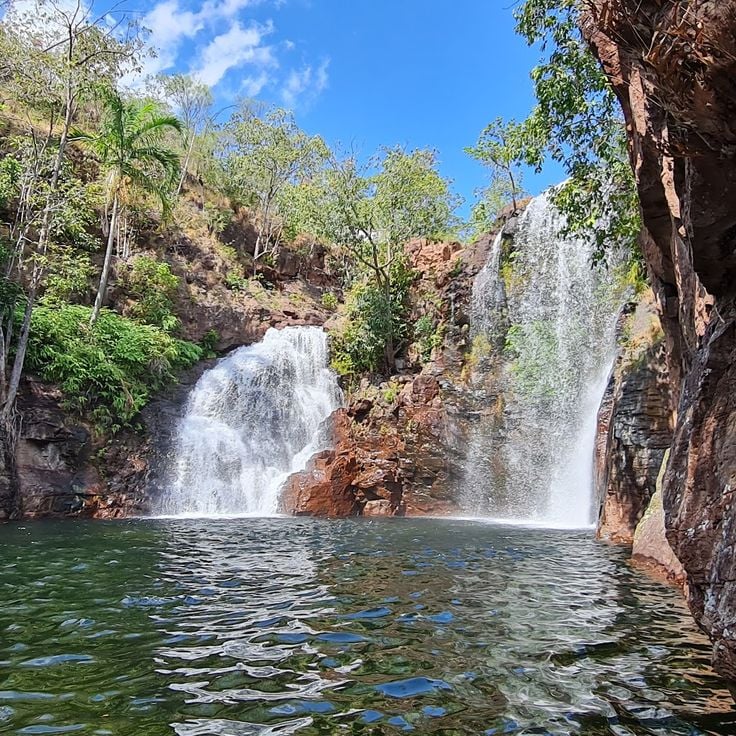
Florence Falls in Litchfield National Park features a waterfall that plunges into a natural pool surrounded by red cliffs. The water drops over the rocky edge and collects at the base, creating a place where visitors can swim. The area is thick with vegetation and bush. A walking track leads down from the top to the pool below.
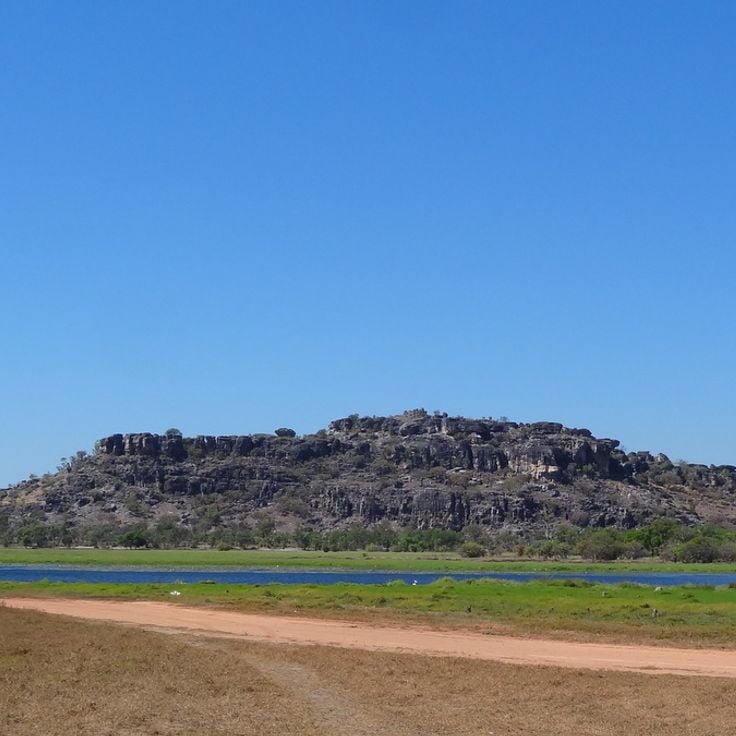
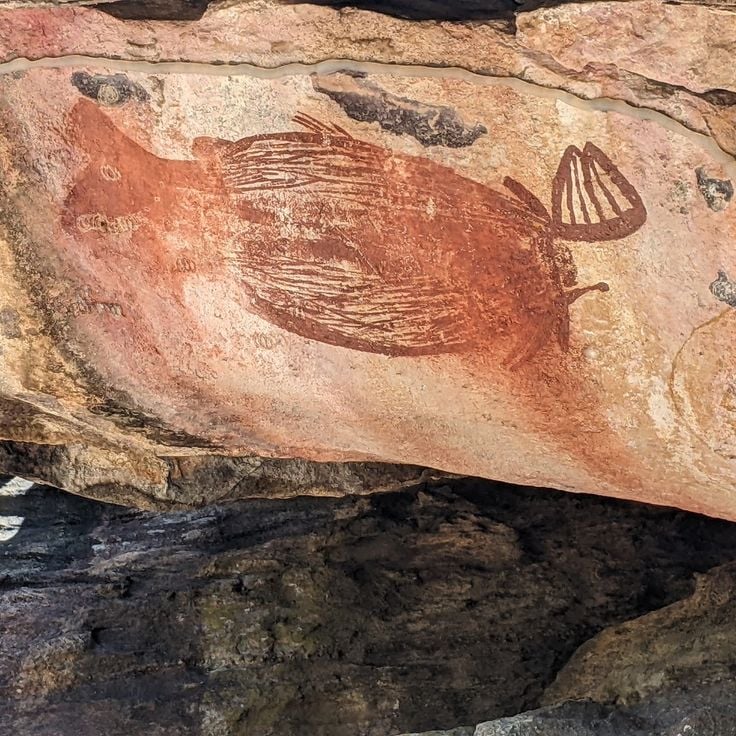
Injalak Hill at Gunbalanya brings together ancient rock art and living artistic practice. The site holds painted rock faces created over many generations by Gunwinggu people. Injalak Arts, the gallery at the base of the hill, displays work by local artists who continue these traditions today. Visitors can see both the historical paintings in the rock shelters and contemporary creations that respond to the same cultural knowledge and connection to country.
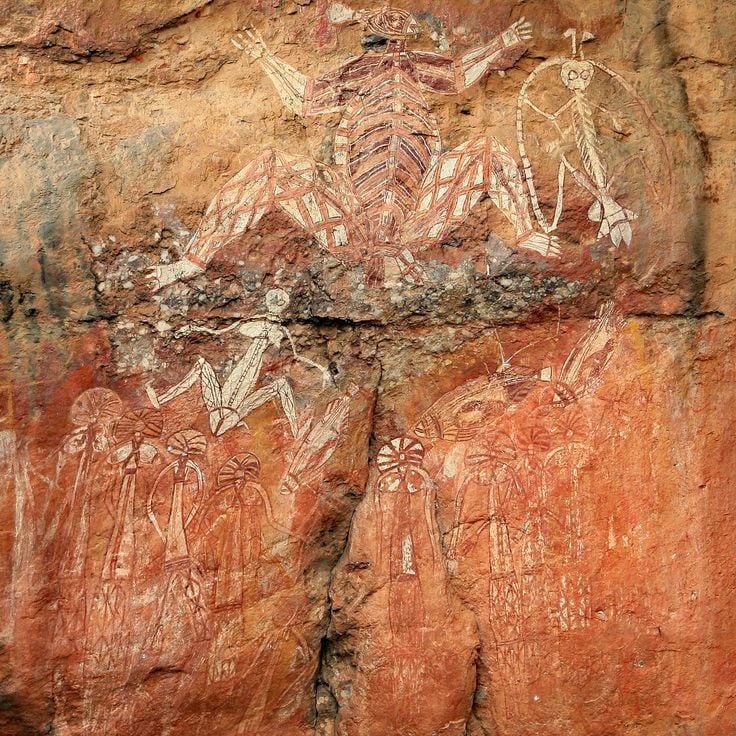
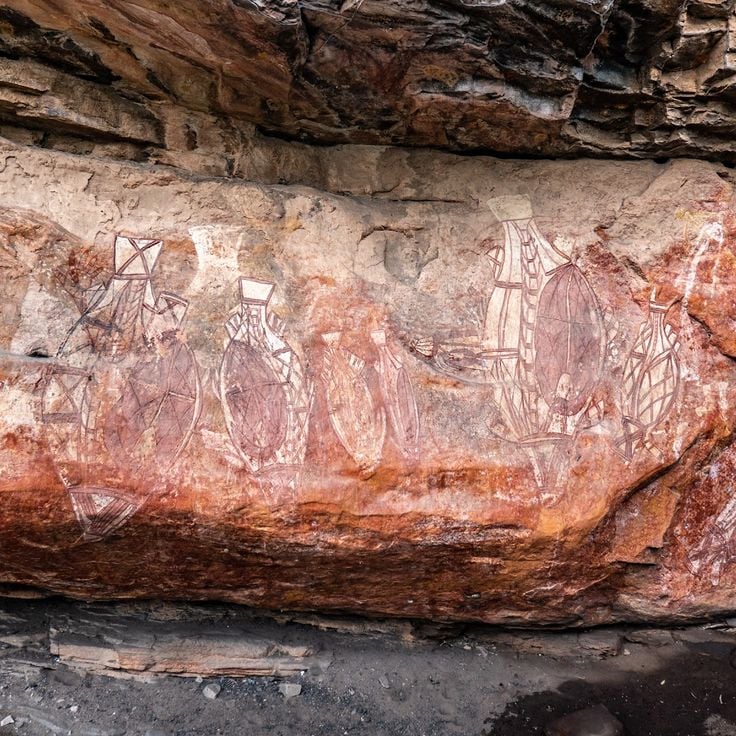
Ubirr is a rock art site in Kakadu National Park where people have painted images on rock faces for thousands of years. The paintings show hunting scenes, animals, and spiritual figures from the time of the Aboriginal people. From the top of the hill, there is a lookout where you can see across the wide plains and water holes of Kakadu. This place brings together artwork, history, and landscape where culture and nature have always been connected.
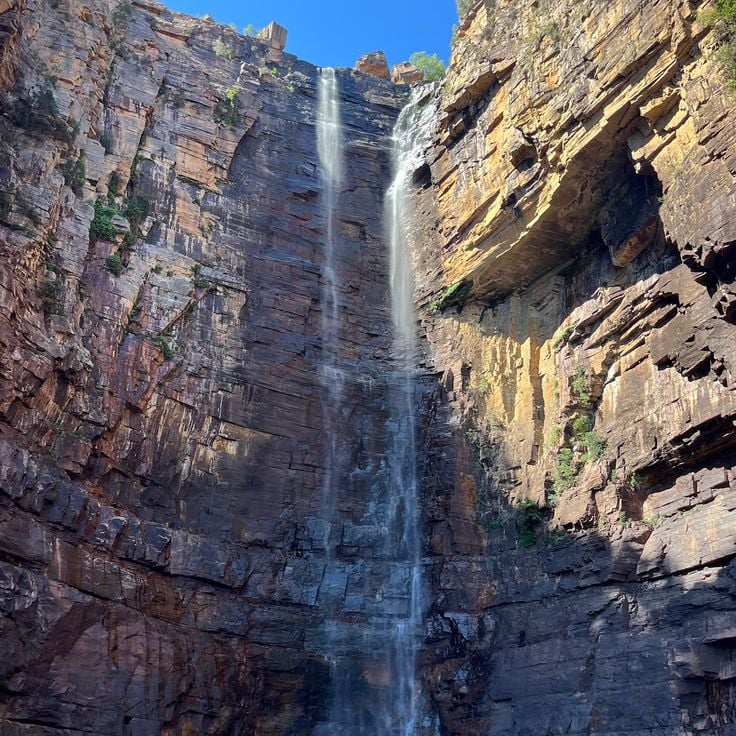
Jim Jim Falls is a waterfall in Kakadu National Park with a large natural pool of clear water. Water drops from high cliff walls into the basin below. The falls sit in a valley surrounded by red rock faces. During the wet season, the waterfall flows with greater force. Visitors hike through forest and over rocky terrain to reach it. The pool is suitable for swimming. This location attracts those who want to experience the park's water features and natural landscapes.
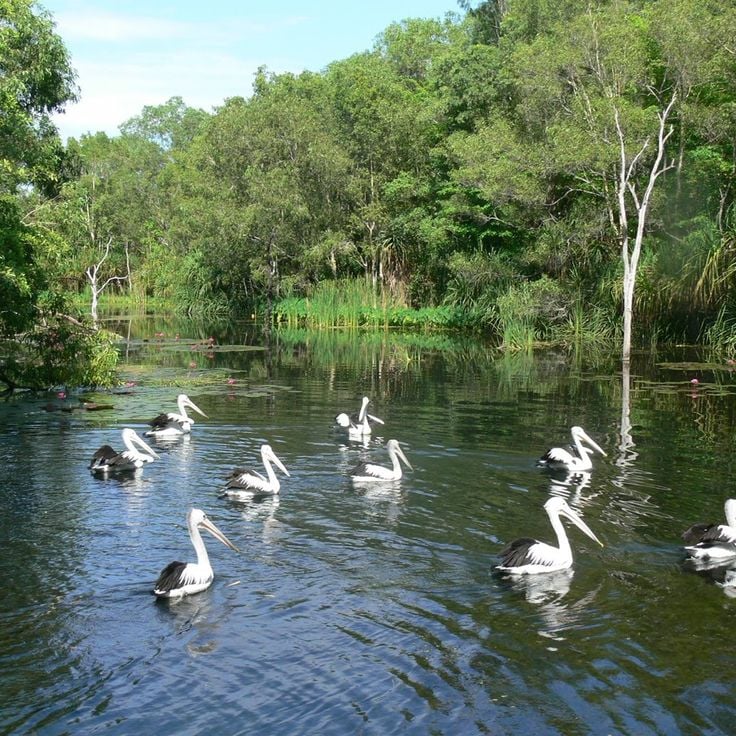
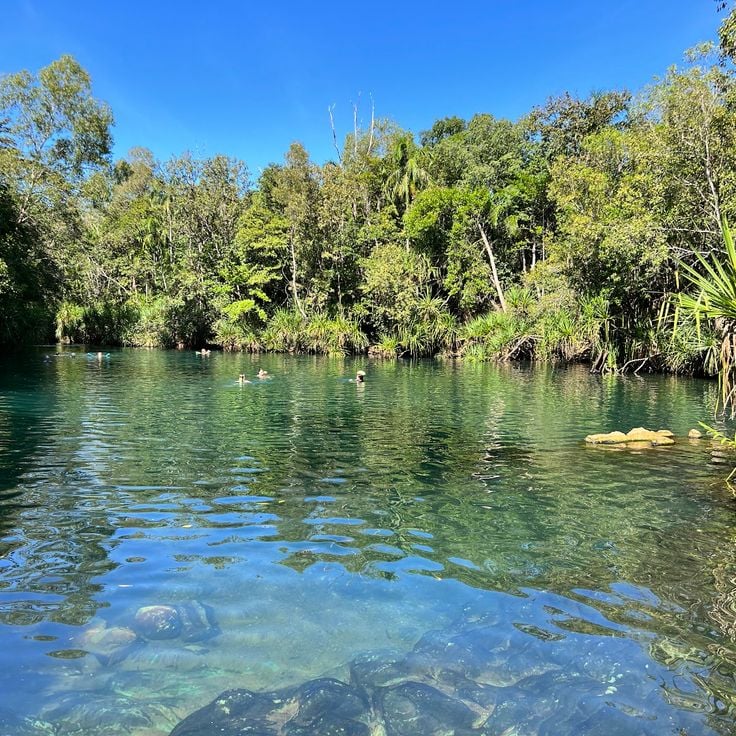
Berry Springs Nature Park is a nature reserve near Darwin with natural warm pools and local wildlife. The park features several natural bathing areas where water remains warm year-round. Visitors can swim and observe local fauna including turtles and bird species. Located in the tropical north, the park reflects the biodiversity typical of the Top End region.
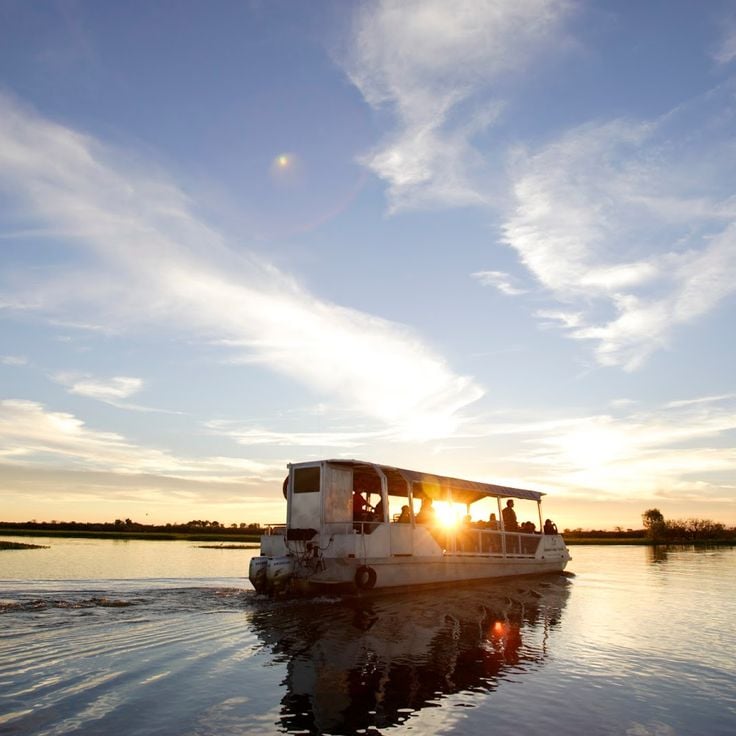
Yellow Water Billabong is a lagoon in Kakadu where visitors can cruise by boat to observe wildlife and crocodiles in their natural habitat. Located within Kakadu National Park, a UNESCO World Heritage site, this waterway is home to birds, turtles, and large saltwater crocodiles. The cruises offer close views of animals that thrive in these wetlands. The site connects to the ancient Aboriginal culture and practices that have shaped this landscape for thousands of years.
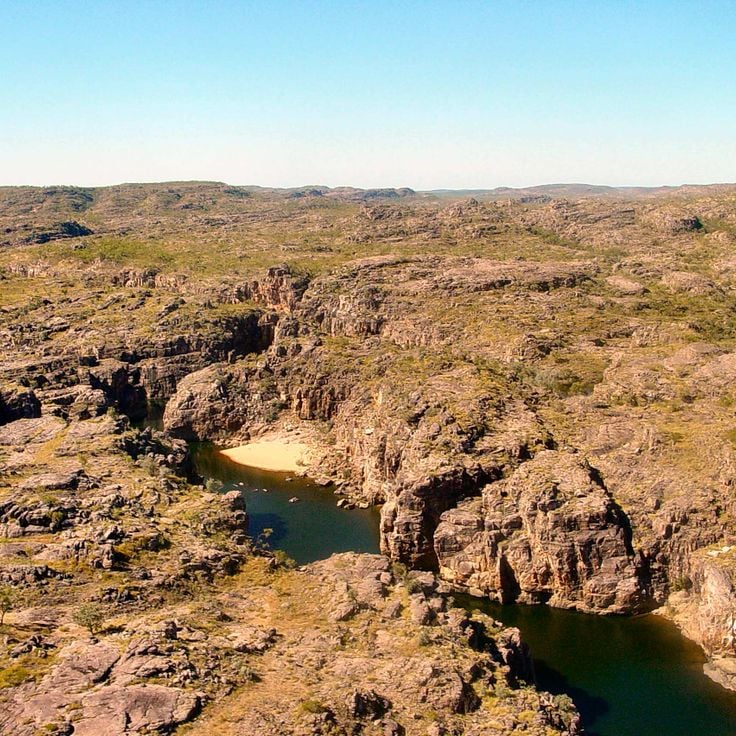
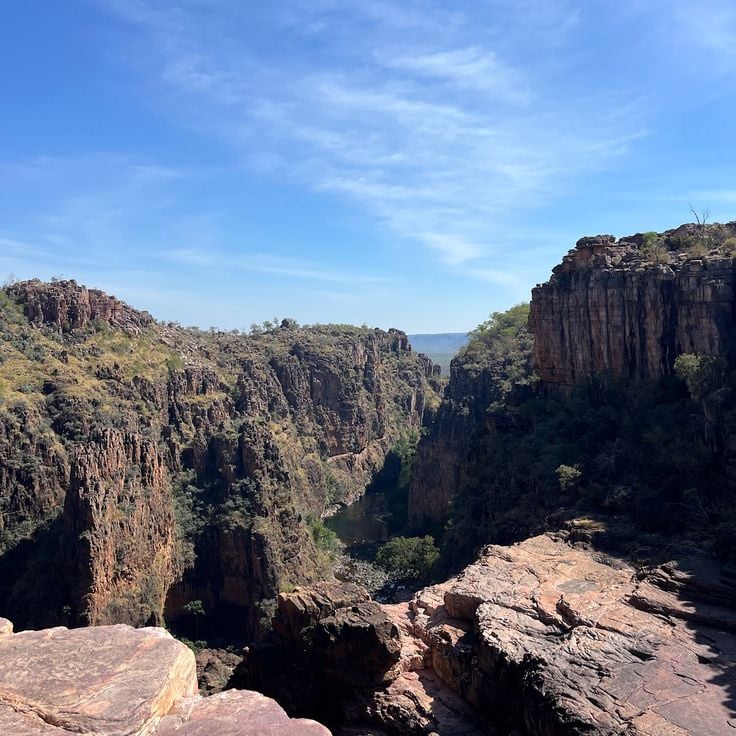
Nitmiluk National Park near Katherine shows how water has carved through stone over millions of years. Deep gorges run through the landscape, and the Katherine River flows through narrow canyons. Walking trails follow the clifftops, and boat trips take you into the gorges themselves. The land shifts between rock, water, and green growth. The Jawoyn people have lived here for thousands of years and continue to care for this country.
Twin Falls in Kakadu is a double waterfall set against limestone cliffs. The falls are found in the northern regions of Australia, where water drops from steep rock faces. This place shows how water has shaped the land over millions of years. The setting reveals the geological layers and the power of flowing water in this part of the country.
Nourlangie is a rock art site where you can see paintings made by Aboriginal people. The gallery areas display images that have been on the rock walls for thousands of years. Walking trails take you through the site and around the surrounding landscape. This place shows how people have lived here for a very long time and how they tell their stories through art.
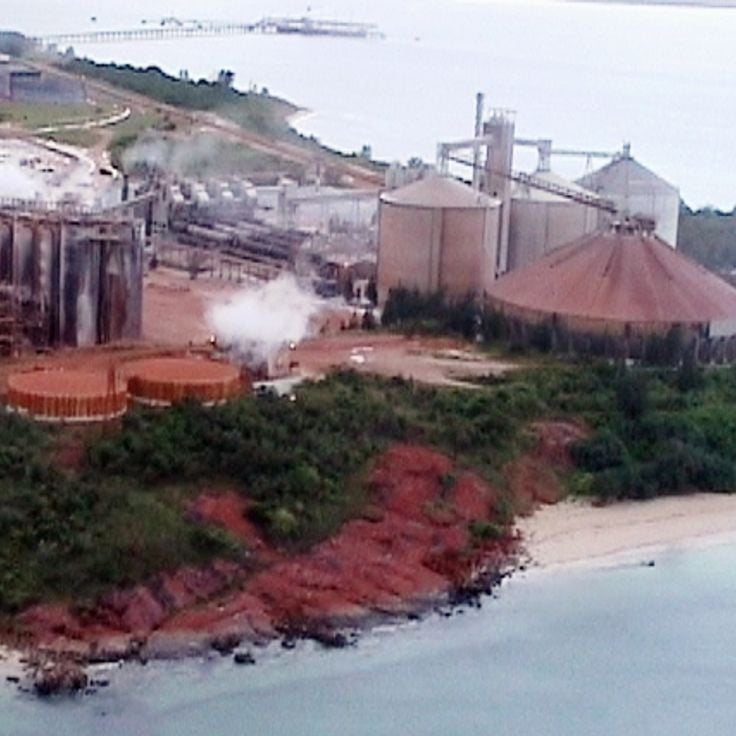
Nhulunbuy is a port town on the eastern coast of the Northern Territory, located on the Gove Peninsula. The city serves as a gateway to Arnhem Land, where you can encounter the art, history, and landscapes shaped by Aboriginal peoples. From here, you can reach beaches, mangrove forests, and access to some of Australia's oldest human settlements.
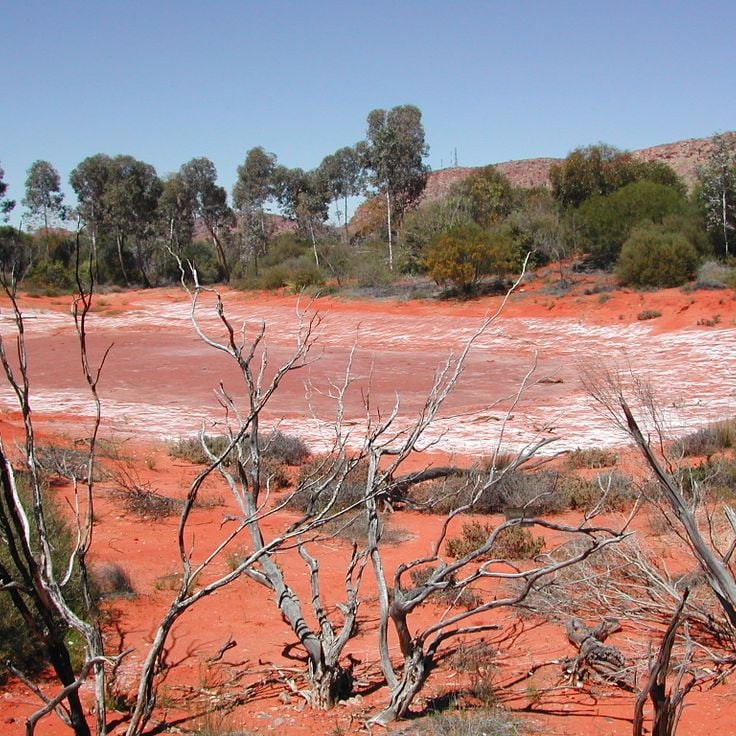
Alice Springs Desert Park sits in the heart of the Red Centre and displays the animals and plants that live in this desert landscape. The park lets visitors see the species that have adapted to the harsh conditions of central Australia's desert. You can watch birds, reptiles, and mammals that are native to this dry region. The park gives a sense of the variety of life among the red sand and sparse vegetation.
Bremer Island sits off the Gove Peninsula and serves as a destination for boat tours focused on wildlife and nature. The island lets you observe marine ecosystems and the bird life of the region up close. It forms part of the Top End landscape where tropical waters and coral reefs provide habitat for diverse animal species.
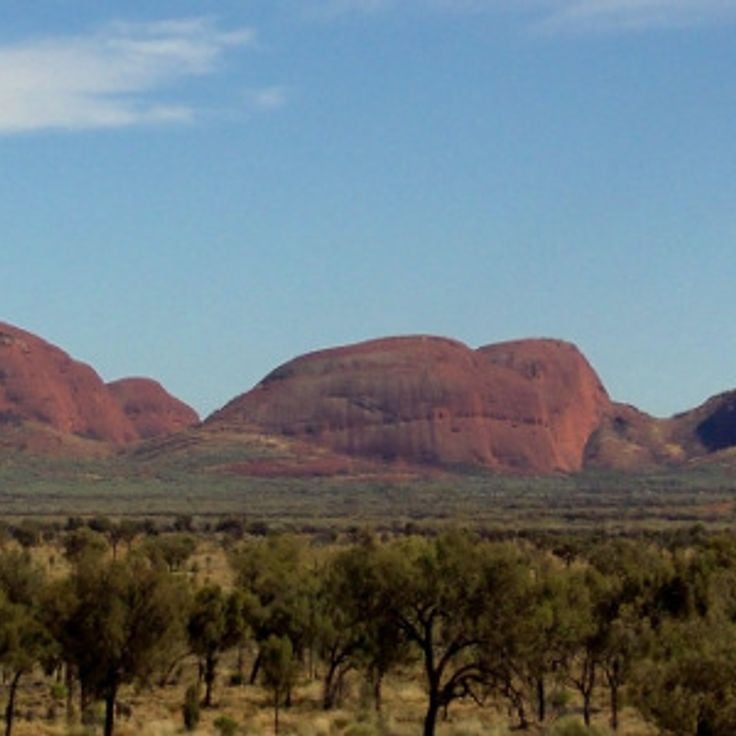
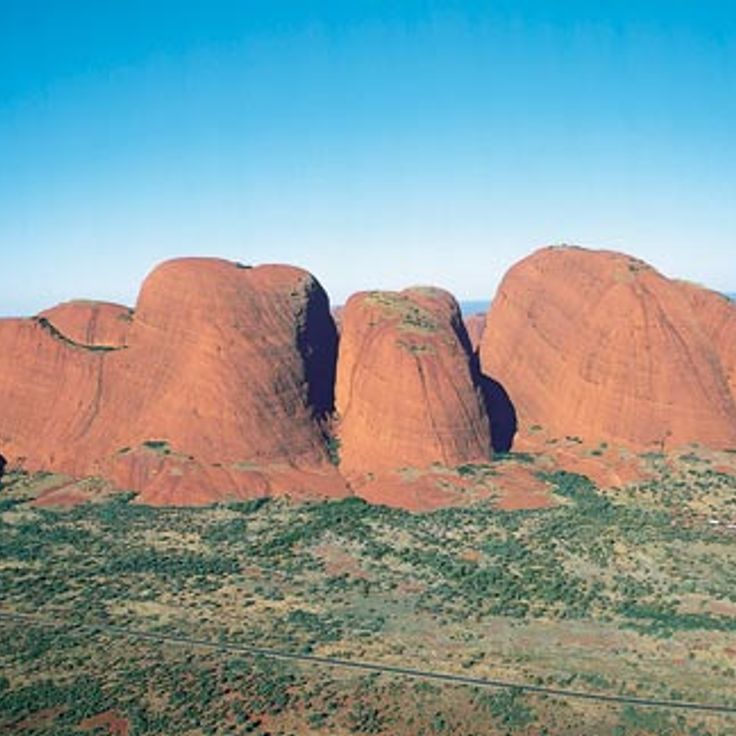
Kata Tjuta is a group of red rocky domes rising from the desert floor of the Red Centre. The formation consists of several large rocky hills standing close together, creating deep valleys between them. The Valley of the Winds walking track winds through these gorges and offers views of the rock walls and desert landscape. This place holds deep spiritual significance for the Anangu people, the traditional owners of the land. The red color of the rocks changes depending on the time of day and light. A visit here reveals the geology and culture of this landscape.
The Royal Flying Doctor Service Museum in Alice Springs tells the story of an extraordinary medical service. Here you learn how aircraft have brought doctors and nurses to remote areas of the Red Centre for decades. The museum shows how this service reaches people living far from towns. You see old planes, medical equipment, and stories of pilots and doctors who saved lives in harsh conditions. It is a place to understand how civilization works even in the desert.
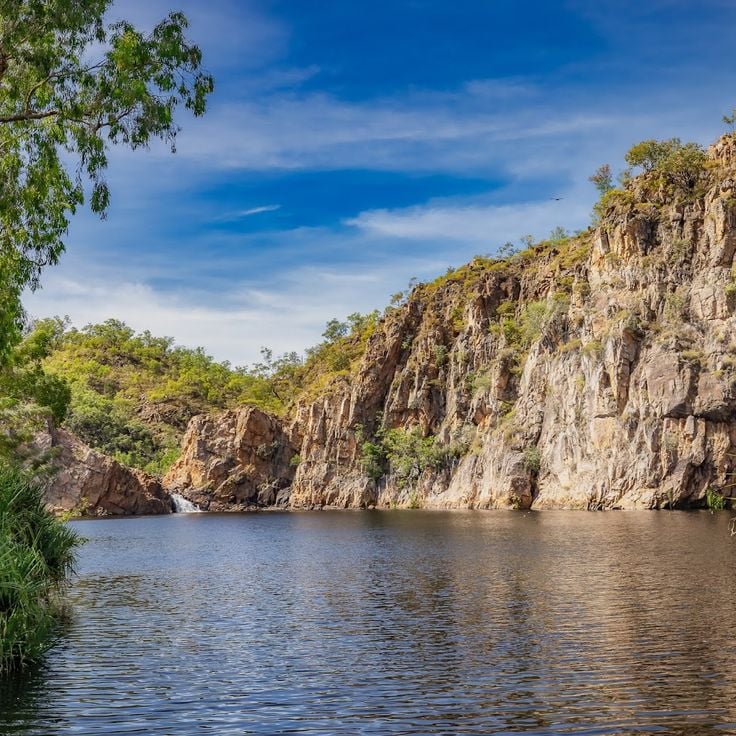
Edith Falls in Katherine features a waterfall with two tiers and natural pools within Nitmiluk National Park. Water cascades over rock formations, creating refreshing swimming holes where visitors can cool off. The site sits in a landscape shaped by millions of years of water erosion, similar to the Katherine Gorges nearby. This waterfall demonstrates the geological history of the Northern Territory and offers a place where travelers can experience the region's natural water features firsthand.
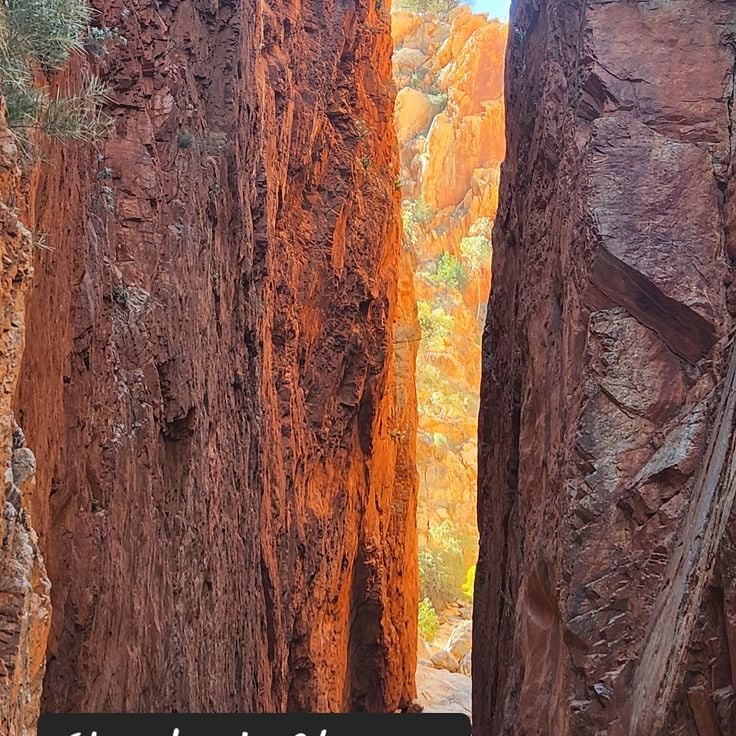
Standley Chasm is a narrow gorge in the West MacDonnell Ranges near Alice Springs. The walls rise sharply with layers of red sandstone that glow in the midday sun. A walking trail leads into the chasm, where small pools of water collect at the base. The site shows visitors the geological character of Australia's interior and offers shade under the rocky walls.
Gunlom Falls sits in the southern part of Kakadu National Park. The waterfall drops into a natural pool where you can swim. The site is accessible depending on the season. In the wet season, the fall carries more water. In the dry season, the walk in is easier. The trail takes you through the park's landscape, past trees and rock formations.
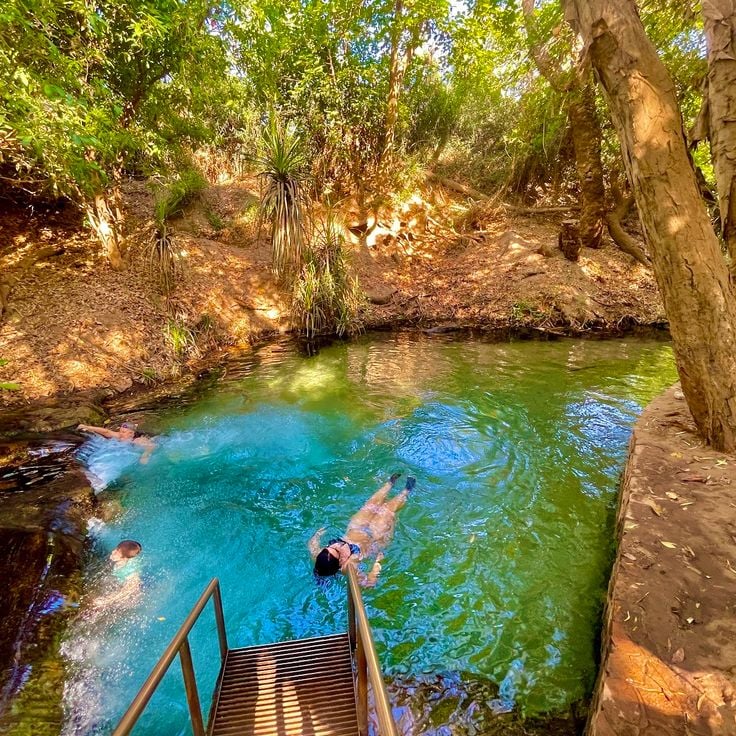
Katherine Hot Springs are natural thermal waters near Katherine in the Northern Territory. These warm pools invite you to bathe and relax, offering a refreshing experience in a landscape where the earth's heat rises to the surface.
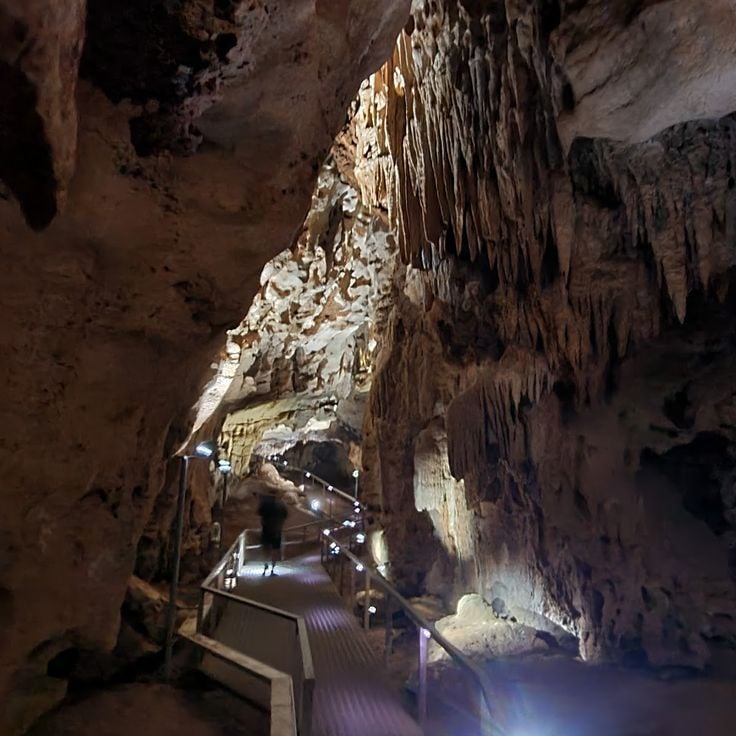
Cutta Cutta Caves Nature Park lets visitors walk through limestone caves formed over millions of years by flowing water. Located near Katherine, the park shows the geology of the Northern Territory in its raw form. The caves shelter local wildlife adapted to life in this environment. Visitors can explore the underground passages and learn about the natural processes that shaped this landscape.
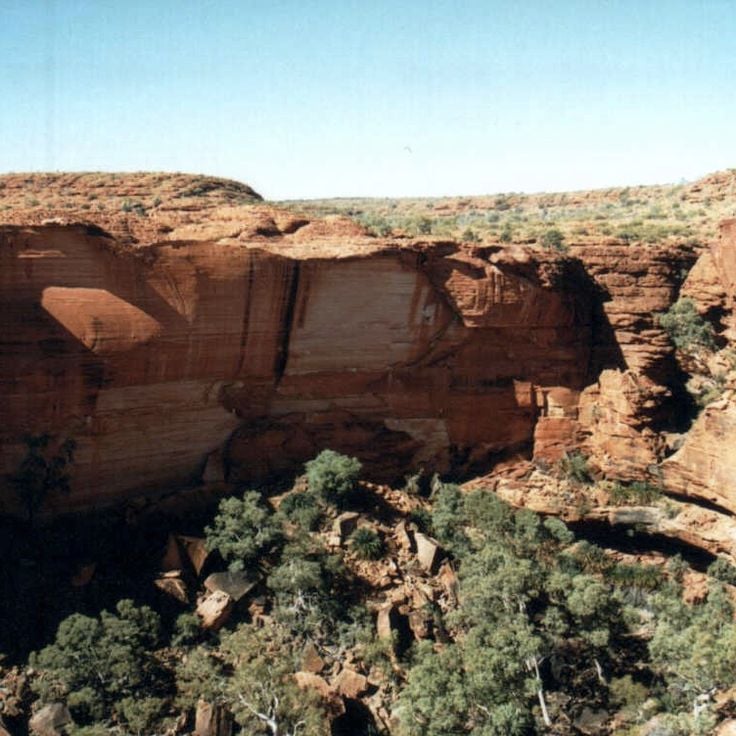
Kings Canyon in Watarrka National Park displays the rugged character of the Red Centre. High rock walls define the landscape, shaped over millions of years by water and wind. Walking trails run along the canyon, revealing views of red cliffs and deep valleys below. Small water holes nestle in the canyon floor, essential in this dry country. The Anangu Aboriginal people live here and manage the land, their connection to this place running deep through time.
The West MacDonnell Ranges are a mountain chain near Alice Springs with gorges, waterfalls, and desert landscapes. This formation is part of the red mountains of the Red Centre and offers insights into the region's geology. The Ranges show how water and time have shaped stone over millions of years. Here you also find places that hold meaning for the Aranda people, who have lived on this land for thousands of years.
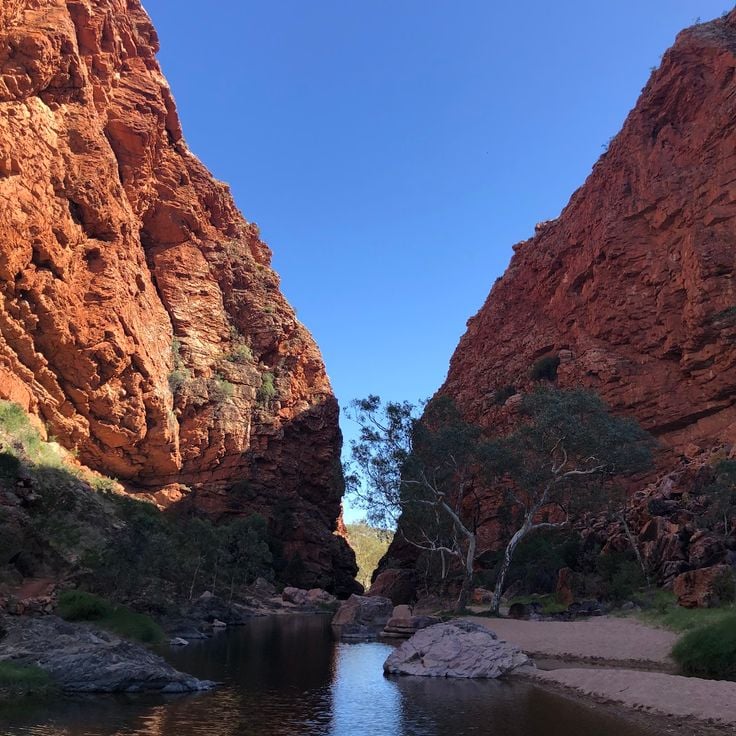
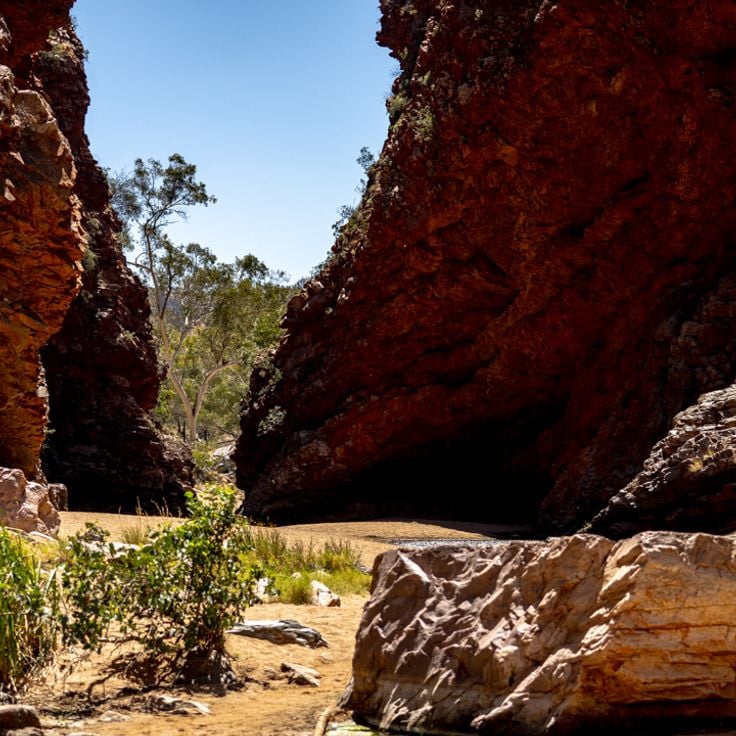
Simpsons Gap is a deep gorge in the West MacDonnell Ranges near Alice Springs. Water carved this chasm through the red rock over millions of years. Walking trails lead through the gorge and show the layers of stone exposed by erosion. At certain times of day, you might see rock wallabies sheltering in the crevices. The gap is one of the easiest places to reach from Alice Springs and offers a close look at how water and time shape the desert landscape of the Red Centre.
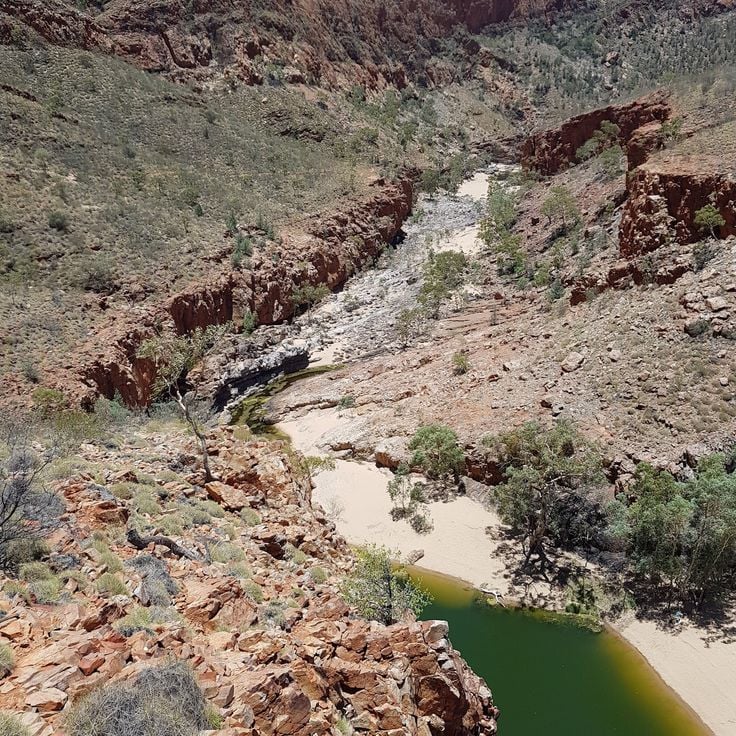
This gorge sits in the West MacDonnell Ranges west of Alice Springs, where red rock walls rise above a permanent pool. Visitors can walk along trails that wind through the valley and swim in the cool water. The chasm shows how water has carved through the desert landscape over countless generations. The paths take you through sparse vegetation and open ground, giving a clear sense of how the land changes with the seasons. Local communities have long depended on this water source in the dry center of Australia.
Uluru-Kata Tjuta National Park sits in the heart of the Red Centre and holds deep significance for the Anangu people, the Aboriginal inhabitants of this region. The park contains Uluru, a massive monolith of red stone that rises from the flat desert landscape and shifts in color throughout the day. Nearby are the Kata Tjuta rock formations, a system of around 36 domes of stone that command attention in equal measure. The entire park is a UNESCO World Heritage site that brings together geological phenomena with a living culture that spans tens of thousands of years. Caves and water sources tell the story of continuous Anangu presence across these millennia. Walking tracks lead through these landscapes, allowing visitors to grasp the meaning of these places to the original inhabitants.
Uluru is a massive red sandstone rock standing alone in the heart of the Red Centre desert. Sacred to the Anangu people for tens of thousands of years, it transforms through shades of orange, red and deep purple as the sun moves across the sky. Walking paths circle the base and lead to caves and water sources that hold meaning in Anangu culture. The rock rises 1,141 feet (348 meters) and its presence shapes how people experience the vast, quiet landscape around it. This place connects visitors to one of the world's oldest living cultures.
The Mindil Beach Sunset Market in Darwin is where locals and visitors gather in the evening along the waterfront. The market spreads across the beach with craft stalls, food vendors, and a relaxed vibe. People browse handmade items while eating a variety of cuisines, from Asian to Australian. As the sun drops toward the sea, the beach fills with onlookers watching the sky change color. This market reflects Darwin's connection to the Indian Ocean and its informal, mixed community.
Litchfield National Park is a national park in the tropical region of the Northern Territory, known for its waterfalls, natural pools, and rainforests. Water cascades over rocky cliffs into pools that are perfect for swimming. The landscape shifts between dense forests and open areas. Visitors come here to swim in the clear waters and explore the natural surroundings.
The Darwin Waterfront Precinct is a public space along the coast of Darwin where swimming areas, restaurants, and green spaces come together. This place shows how the capital of the Northern Territory faces toward the Timor Sea and how people here spend their free time by the water. The waterfront promenade is a gathering spot for locals and visitors who enjoy the tropical setting and water activities.
The George Brown Darwin Botanic Gardens is a tropical botanical garden in Darwin that shows the variety of plants found in the Northern Territory. The gardens contain plant collections from this region, with pathways that lead through different habitats. Visitors can walk through the grounds while looking out over Darwin Harbour. The gardens sit at the edge of the city and bring together the tropical nature of the Top End with Darwin's urban spaces.
East Point Reserve is a natural area on a peninsula near Darwin with beaches, walking paths and picnic spots. From this location you can look out over the harbour and the sea. The reserve attracts people who want to spend time outdoors and explore the coastal landscape. You can walk through the area, sit and enjoy the views or have a picnic. This reserve shows the tropical environment of the Top End with its natural coastal features.
The Territory Wildlife Park at Berry Springs shows the animals and plants of the Northern Territory. Visitors can see crocodiles, birds, and other creatures that live in this region. The park gives a good overview of the variety of nature that exists between the tropical zones in the north and the red desert landscapes of the Red Centre. You can walk through different areas and watch the animals in their natural settings.
The Museum and Art Gallery of the Northern Territory in Darwin displays collections about the history and culture of the Northern Territory. Here you can see works by artists from the region and objects that tell the story of Aboriginal life. The exhibitions also cover the natural history and European settlement of the north. This museum helps visitors understand the diversity and stories of this region.
Kakadu National Park is one of the most significant UNESCO World Heritage sites and shows the diversity of the Northern Territory. Throughout the park, waterfalls flow through stone gorges, forests alternate with open plains, and wildlife thrives in many forms. What makes this park special are the rock galleries containing artwork created by Aboriginal people over thousands of years. These images are part of a living culture that continues today. Visitors can walk through different landscapes and learn how deeply people are connected to this land.
The Tiwi Islands are an island group off Darwin, home to the Tiwi people for thousands of years. The communities here maintain living traditions through art, dance, and ceremony that continue today. Visiting these islands offers a direct encounter with Aboriginal culture and the way people connect to this tropical environment.
Crocosaurus Cove in Darwin is an attraction where you can see saltwater crocodiles up close. The site has swimming pools for bathing and interactive experiences where you can learn about the animals and how they live. Located by the water, it offers a look at the wildlife of tropical northern Australia.
Wangi Falls in Litchfield Park features a waterfall that drops into a natural swimming pool surrounded by tropical forest. The water is cool and clear, and visitors often swim here on hot days. The area shows the lush vegetation typical of the Top End, with tall trees and thick undergrowth. This waterfall represents the geological forces that have shaped the Territories over millions of years.
Florence Falls in Litchfield National Park features a waterfall that plunges into a natural pool surrounded by red cliffs. The water drops over the rocky edge and collects at the base, creating a place where visitors can swim. The area is thick with vegetation and bush. A walking track leads down from the top to the pool below.
Injalak Hill at Gunbalanya brings together ancient rock art and living artistic practice. The site holds painted rock faces created over many generations by Gunwinggu people. Injalak Arts, the gallery at the base of the hill, displays work by local artists who continue these traditions today. Visitors can see both the historical paintings in the rock shelters and contemporary creations that respond to the same cultural knowledge and connection to country.
Ubirr is a rock art site in Kakadu National Park where people have painted images on rock faces for thousands of years. The paintings show hunting scenes, animals, and spiritual figures from the time of the Aboriginal people. From the top of the hill, there is a lookout where you can see across the wide plains and water holes of Kakadu. This place brings together artwork, history, and landscape where culture and nature have always been connected.
Jim Jim Falls is a waterfall in Kakadu National Park with a large natural pool of clear water. Water drops from high cliff walls into the basin below. The falls sit in a valley surrounded by red rock faces. During the wet season, the waterfall flows with greater force. Visitors hike through forest and over rocky terrain to reach it. The pool is suitable for swimming. This location attracts those who want to experience the park's water features and natural landscapes.
Berry Springs Nature Park is a nature reserve near Darwin with natural warm pools and local wildlife. The park features several natural bathing areas where water remains warm year-round. Visitors can swim and observe local fauna including turtles and bird species. Located in the tropical north, the park reflects the biodiversity typical of the Top End region.
Yellow Water Billabong is a lagoon in Kakadu where visitors can cruise by boat to observe wildlife and crocodiles in their natural habitat. Located within Kakadu National Park, a UNESCO World Heritage site, this waterway is home to birds, turtles, and large saltwater crocodiles. The cruises offer close views of animals that thrive in these wetlands. The site connects to the ancient Aboriginal culture and practices that have shaped this landscape for thousands of years.
Nitmiluk National Park near Katherine shows how water has carved through stone over millions of years. Deep gorges run through the landscape, and the Katherine River flows through narrow canyons. Walking trails follow the clifftops, and boat trips take you into the gorges themselves. The land shifts between rock, water, and green growth. The Jawoyn people have lived here for thousands of years and continue to care for this country.
Twin Falls in Kakadu is a double waterfall set against limestone cliffs. The falls are found in the northern regions of Australia, where water drops from steep rock faces. This place shows how water has shaped the land over millions of years. The setting reveals the geological layers and the power of flowing water in this part of the country.
Nourlangie is a rock art site where you can see paintings made by Aboriginal people. The gallery areas display images that have been on the rock walls for thousands of years. Walking trails take you through the site and around the surrounding landscape. This place shows how people have lived here for a very long time and how they tell their stories through art.
Nhulunbuy is a port town on the eastern coast of the Northern Territory, located on the Gove Peninsula. The city serves as a gateway to Arnhem Land, where you can encounter the art, history, and landscapes shaped by Aboriginal peoples. From here, you can reach beaches, mangrove forests, and access to some of Australia's oldest human settlements.
Alice Springs Desert Park sits in the heart of the Red Centre and displays the animals and plants that live in this desert landscape. The park lets visitors see the species that have adapted to the harsh conditions of central Australia's desert. You can watch birds, reptiles, and mammals that are native to this dry region. The park gives a sense of the variety of life among the red sand and sparse vegetation.
Bremer Island sits off the Gove Peninsula and serves as a destination for boat tours focused on wildlife and nature. The island lets you observe marine ecosystems and the bird life of the region up close. It forms part of the Top End landscape where tropical waters and coral reefs provide habitat for diverse animal species.
Kata Tjuta is a group of red rocky domes rising from the desert floor of the Red Centre. The formation consists of several large rocky hills standing close together, creating deep valleys between them. The Valley of the Winds walking track winds through these gorges and offers views of the rock walls and desert landscape. This place holds deep spiritual significance for the Anangu people, the traditional owners of the land. The red color of the rocks changes depending on the time of day and light. A visit here reveals the geology and culture of this landscape.
The Royal Flying Doctor Service Museum in Alice Springs tells the story of an extraordinary medical service. Here you learn how aircraft have brought doctors and nurses to remote areas of the Red Centre for decades. The museum shows how this service reaches people living far from towns. You see old planes, medical equipment, and stories of pilots and doctors who saved lives in harsh conditions. It is a place to understand how civilization works even in the desert.
Edith Falls in Katherine features a waterfall with two tiers and natural pools within Nitmiluk National Park. Water cascades over rock formations, creating refreshing swimming holes where visitors can cool off. The site sits in a landscape shaped by millions of years of water erosion, similar to the Katherine Gorges nearby. This waterfall demonstrates the geological history of the Northern Territory and offers a place where travelers can experience the region's natural water features firsthand.
Standley Chasm is a narrow gorge in the West MacDonnell Ranges near Alice Springs. The walls rise sharply with layers of red sandstone that glow in the midday sun. A walking trail leads into the chasm, where small pools of water collect at the base. The site shows visitors the geological character of Australia's interior and offers shade under the rocky walls.
Gunlom Falls sits in the southern part of Kakadu National Park. The waterfall drops into a natural pool where you can swim. The site is accessible depending on the season. In the wet season, the fall carries more water. In the dry season, the walk in is easier. The trail takes you through the park's landscape, past trees and rock formations.
Katherine Hot Springs are natural thermal waters near Katherine in the Northern Territory. These warm pools invite you to bathe and relax, offering a refreshing experience in a landscape where the earth's heat rises to the surface.
Cutta Cutta Caves Nature Park lets visitors walk through limestone caves formed over millions of years by flowing water. Located near Katherine, the park shows the geology of the Northern Territory in its raw form. The caves shelter local wildlife adapted to life in this environment. Visitors can explore the underground passages and learn about the natural processes that shaped this landscape.
Kings Canyon in Watarrka National Park displays the rugged character of the Red Centre. High rock walls define the landscape, shaped over millions of years by water and wind. Walking trails run along the canyon, revealing views of red cliffs and deep valleys below. Small water holes nestle in the canyon floor, essential in this dry country. The Anangu Aboriginal people live here and manage the land, their connection to this place running deep through time.
The West MacDonnell Ranges are a mountain chain near Alice Springs with gorges, waterfalls, and desert landscapes. This formation is part of the red mountains of the Red Centre and offers insights into the region's geology. The Ranges show how water and time have shaped stone over millions of years. Here you also find places that hold meaning for the Aranda people, who have lived on this land for thousands of years.
Simpsons Gap is a deep gorge in the West MacDonnell Ranges near Alice Springs. Water carved this chasm through the red rock over millions of years. Walking trails lead through the gorge and show the layers of stone exposed by erosion. At certain times of day, you might see rock wallabies sheltering in the crevices. The gap is one of the easiest places to reach from Alice Springs and offers a close look at how water and time shape the desert landscape of the Red Centre.
This gorge sits in the West MacDonnell Ranges west of Alice Springs, where red rock walls rise above a permanent pool. Visitors can walk along trails that wind through the valley and swim in the cool water. The chasm shows how water has carved through the desert landscape over countless generations. The paths take you through sparse vegetation and open ground, giving a clear sense of how the land changes with the seasons. Local communities have long depended on this water source in the dry center of Australia.
Uluru-Kata Tjuta National Park sits in the heart of the Red Centre and holds deep significance for the Anangu people, the Aboriginal inhabitants of this region. The park contains Uluru, a massive monolith of red stone that rises from the flat desert landscape and shifts in color throughout the day. Nearby are the Kata Tjuta rock formations, a system of around 36 domes of stone that command attention in equal measure. The entire park is a UNESCO World Heritage site that brings together geological phenomena with a living culture that spans tens of thousands of years. Caves and water sources tell the story of continuous Anangu presence across these millennia. Walking tracks lead through these landscapes, allowing visitors to grasp the meaning of these places to the original inhabitants.
Uluru is a massive red sandstone rock standing alone in the heart of the Red Centre desert. Sacred to the Anangu people for tens of thousands of years, it transforms through shades of orange, red and deep purple as the sun moves across the sky. Walking paths circle the base and lead to caves and water sources that hold meaning in Anangu culture. The rock rises 1,141 feet (348 meters) and its presence shapes how people experience the vast, quiet landscape around it. This place connects visitors to one of the world's oldest living cultures.
The Mindil Beach Sunset Market in Darwin is where locals and visitors gather in the evening along the waterfront. The market spreads across the beach with craft stalls, food vendors, and a relaxed vibe. People browse handmade items while eating a variety of cuisines, from Asian to Australian. As the sun drops toward the sea, the beach fills with onlookers watching the sky change color. This market reflects Darwin's connection to the Indian Ocean and its informal, mixed community.
Litchfield National Park is a national park in the tropical region of the Northern Territory, known for its waterfalls, natural pools, and rainforests. Water cascades over rocky cliffs into pools that are perfect for swimming. The landscape shifts between dense forests and open areas. Visitors come here to swim in the clear waters and explore the natural surroundings.
The Darwin Waterfront Precinct is a public space along the coast of Darwin where swimming areas, restaurants, and green spaces come together. This place shows how the capital of the Northern Territory faces toward the Timor Sea and how people here spend their free time by the water. The waterfront promenade is a gathering spot for locals and visitors who enjoy the tropical setting and water activities.
The George Brown Darwin Botanic Gardens is a tropical botanical garden in Darwin that shows the variety of plants found in the Northern Territory. The gardens contain plant collections from this region, with pathways that lead through different habitats. Visitors can walk through the grounds while looking out over Darwin Harbour. The gardens sit at the edge of the city and bring together the tropical nature of the Top End with Darwin's urban spaces.
East Point Reserve is a natural area on a peninsula near Darwin with beaches, walking paths and picnic spots. From this location you can look out over the harbour and the sea. The reserve attracts people who want to spend time outdoors and explore the coastal landscape. You can walk through the area, sit and enjoy the views or have a picnic. This reserve shows the tropical environment of the Top End with its natural coastal features.
The Territory Wildlife Park at Berry Springs shows the animals and plants of the Northern Territory. Visitors can see crocodiles, birds, and other creatures that live in this region. The park gives a good overview of the variety of nature that exists between the tropical zones in the north and the red desert landscapes of the Red Centre. You can walk through different areas and watch the animals in their natural settings.
The Museum and Art Gallery of the Northern Territory in Darwin displays collections about the history and culture of the Northern Territory. Here you can see works by artists from the region and objects that tell the story of Aboriginal life. The exhibitions also cover the natural history and European settlement of the north. This museum helps visitors understand the diversity and stories of this region.
Kakadu National Park is one of the most significant UNESCO World Heritage sites and shows the diversity of the Northern Territory. Throughout the park, waterfalls flow through stone gorges, forests alternate with open plains, and wildlife thrives in many forms. What makes this park special are the rock galleries containing artwork created by Aboriginal people over thousands of years. These images are part of a living culture that continues today. Visitors can walk through different landscapes and learn how deeply people are connected to this land.
The Tiwi Islands are an island group off Darwin, home to the Tiwi people for thousands of years. The communities here maintain living traditions through art, dance, and ceremony that continue today. Visiting these islands offers a direct encounter with Aboriginal culture and the way people connect to this tropical environment.
Crocosaurus Cove in Darwin is an attraction where you can see saltwater crocodiles up close. The site has swimming pools for bathing and interactive experiences where you can learn about the animals and how they live. Located by the water, it offers a look at the wildlife of tropical northern Australia.
Wangi Falls in Litchfield Park features a waterfall that drops into a natural swimming pool surrounded by tropical forest. The water is cool and clear, and visitors often swim here on hot days. The area shows the lush vegetation typical of the Top End, with tall trees and thick undergrowth. This waterfall represents the geological forces that have shaped the Territories over millions of years.
Florence Falls in Litchfield National Park features a waterfall that plunges into a natural pool surrounded by red cliffs. The water drops over the rocky edge and collects at the base, creating a place where visitors can swim. The area is thick with vegetation and bush. A walking track leads down from the top to the pool below.
Injalak Hill at Gunbalanya brings together ancient rock art and living artistic practice. The site holds painted rock faces created over many generations by Gunwinggu people. Injalak Arts, the gallery at the base of the hill, displays work by local artists who continue these traditions today. Visitors can see both the historical paintings in the rock shelters and contemporary creations that respond to the same cultural knowledge and connection to country.
Ubirr is a rock art site in Kakadu National Park where people have painted images on rock faces for thousands of years. The paintings show hunting scenes, animals, and spiritual figures from the time of the Aboriginal people. From the top of the hill, there is a lookout where you can see across the wide plains and water holes of Kakadu. This place brings together artwork, history, and landscape where culture and nature have always been connected.
Jim Jim Falls is a waterfall in Kakadu National Park with a large natural pool of clear water. Water drops from high cliff walls into the basin below. The falls sit in a valley surrounded by red rock faces. During the wet season, the waterfall flows with greater force. Visitors hike through forest and over rocky terrain to reach it. The pool is suitable for swimming. This location attracts those who want to experience the park's water features and natural landscapes.
Berry Springs Nature Park is a nature reserve near Darwin with natural warm pools and local wildlife. The park features several natural bathing areas where water remains warm year-round. Visitors can swim and observe local fauna including turtles and bird species. Located in the tropical north, the park reflects the biodiversity typical of the Top End region.
Yellow Water Billabong is a lagoon in Kakadu where visitors can cruise by boat to observe wildlife and crocodiles in their natural habitat. Located within Kakadu National Park, a UNESCO World Heritage site, this waterway is home to birds, turtles, and large saltwater crocodiles. The cruises offer close views of animals that thrive in these wetlands. The site connects to the ancient Aboriginal culture and practices that have shaped this landscape for thousands of years.
Nitmiluk National Park near Katherine shows how water has carved through stone over millions of years. Deep gorges run through the landscape, and the Katherine River flows through narrow canyons. Walking trails follow the clifftops, and boat trips take you into the gorges themselves. The land shifts between rock, water, and green growth. The Jawoyn people have lived here for thousands of years and continue to care for this country.
Twin Falls in Kakadu is a double waterfall set against limestone cliffs. The falls are found in the northern regions of Australia, where water drops from steep rock faces. This place shows how water has shaped the land over millions of years. The setting reveals the geological layers and the power of flowing water in this part of the country.
Nourlangie is a rock art site where you can see paintings made by Aboriginal people. The gallery areas display images that have been on the rock walls for thousands of years. Walking trails take you through the site and around the surrounding landscape. This place shows how people have lived here for a very long time and how they tell their stories through art.
Nhulunbuy is a port town on the eastern coast of the Northern Territory, located on the Gove Peninsula. The city serves as a gateway to Arnhem Land, where you can encounter the art, history, and landscapes shaped by Aboriginal peoples. From here, you can reach beaches, mangrove forests, and access to some of Australia's oldest human settlements.
Alice Springs Desert Park sits in the heart of the Red Centre and displays the animals and plants that live in this desert landscape. The park lets visitors see the species that have adapted to the harsh conditions of central Australia's desert. You can watch birds, reptiles, and mammals that are native to this dry region. The park gives a sense of the variety of life among the red sand and sparse vegetation.
Bremer Island sits off the Gove Peninsula and serves as a destination for boat tours focused on wildlife and nature. The island lets you observe marine ecosystems and the bird life of the region up close. It forms part of the Top End landscape where tropical waters and coral reefs provide habitat for diverse animal species.
Kata Tjuta is a group of red rocky domes rising from the desert floor of the Red Centre. The formation consists of several large rocky hills standing close together, creating deep valleys between them. The Valley of the Winds walking track winds through these gorges and offers views of the rock walls and desert landscape. This place holds deep spiritual significance for the Anangu people, the traditional owners of the land. The red color of the rocks changes depending on the time of day and light. A visit here reveals the geology and culture of this landscape.
The Royal Flying Doctor Service Museum in Alice Springs tells the story of an extraordinary medical service. Here you learn how aircraft have brought doctors and nurses to remote areas of the Red Centre for decades. The museum shows how this service reaches people living far from towns. You see old planes, medical equipment, and stories of pilots and doctors who saved lives in harsh conditions. It is a place to understand how civilization works even in the desert.
Edith Falls in Katherine features a waterfall with two tiers and natural pools within Nitmiluk National Park. Water cascades over rock formations, creating refreshing swimming holes where visitors can cool off. The site sits in a landscape shaped by millions of years of water erosion, similar to the Katherine Gorges nearby. This waterfall demonstrates the geological history of the Northern Territory and offers a place where travelers can experience the region's natural water features firsthand.
Standley Chasm is a narrow gorge in the West MacDonnell Ranges near Alice Springs. The walls rise sharply with layers of red sandstone that glow in the midday sun. A walking trail leads into the chasm, where small pools of water collect at the base. The site shows visitors the geological character of Australia's interior and offers shade under the rocky walls.
Gunlom Falls sits in the southern part of Kakadu National Park. The waterfall drops into a natural pool where you can swim. The site is accessible depending on the season. In the wet season, the fall carries more water. In the dry season, the walk in is easier. The trail takes you through the park's landscape, past trees and rock formations.
Katherine Hot Springs are natural thermal waters near Katherine in the Northern Territory. These warm pools invite you to bathe and relax, offering a refreshing experience in a landscape where the earth's heat rises to the surface.
Cutta Cutta Caves Nature Park lets visitors walk through limestone caves formed over millions of years by flowing water. Located near Katherine, the park shows the geology of the Northern Territory in its raw form. The caves shelter local wildlife adapted to life in this environment. Visitors can explore the underground passages and learn about the natural processes that shaped this landscape.
Kings Canyon in Watarrka National Park displays the rugged character of the Red Centre. High rock walls define the landscape, shaped over millions of years by water and wind. Walking trails run along the canyon, revealing views of red cliffs and deep valleys below. Small water holes nestle in the canyon floor, essential in this dry country. The Anangu Aboriginal people live here and manage the land, their connection to this place running deep through time.
The West MacDonnell Ranges are a mountain chain near Alice Springs with gorges, waterfalls, and desert landscapes. This formation is part of the red mountains of the Red Centre and offers insights into the region's geology. The Ranges show how water and time have shaped stone over millions of years. Here you also find places that hold meaning for the Aranda people, who have lived on this land for thousands of years.
Simpsons Gap is a deep gorge in the West MacDonnell Ranges near Alice Springs. Water carved this chasm through the red rock over millions of years. Walking trails lead through the gorge and show the layers of stone exposed by erosion. At certain times of day, you might see rock wallabies sheltering in the crevices. The gap is one of the easiest places to reach from Alice Springs and offers a close look at how water and time shape the desert landscape of the Red Centre.
This gorge sits in the West MacDonnell Ranges west of Alice Springs, where red rock walls rise above a permanent pool. Visitors can walk along trails that wind through the valley and swim in the cool water. The chasm shows how water has carved through the desert landscape over countless generations. The paths take you through sparse vegetation and open ground, giving a clear sense of how the land changes with the seasons. Local communities have long depended on this water source in the dry center of Australia.
Uluru-Kata Tjuta National Park sits in the heart of the Red Centre and holds deep significance for the Anangu people, the Aboriginal inhabitants of this region. The park contains Uluru, a massive monolith of red stone that rises from the flat desert landscape and shifts in color throughout the day. Nearby are the Kata Tjuta rock formations, a system of around 36 domes of stone that command attention in equal measure. The entire park is a UNESCO World Heritage site that brings together geological phenomena with a living culture that spans tens of thousands of years. Caves and water sources tell the story of continuous Anangu presence across these millennia. Walking tracks lead through these landscapes, allowing visitors to grasp the meaning of these places to the original inhabitants.