Litchfield National Park, National park in Northern Territory, Australia
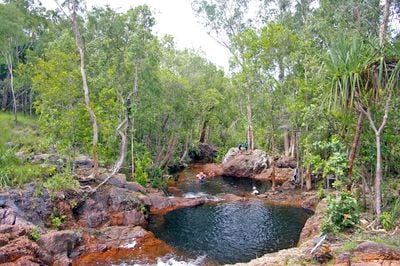
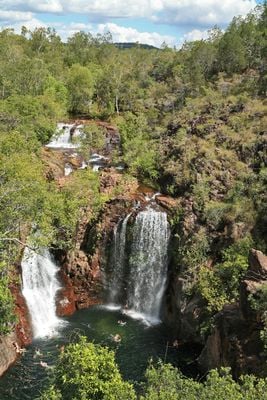
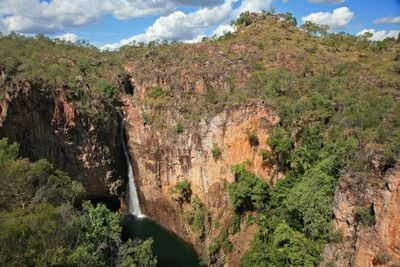
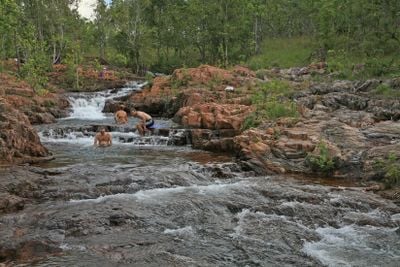
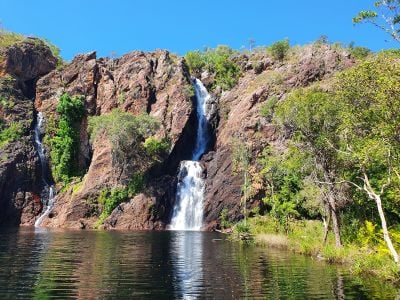
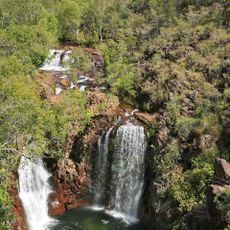
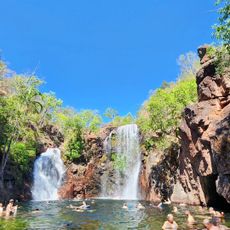
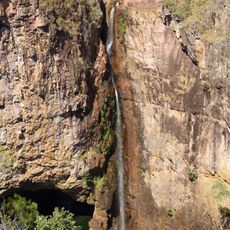
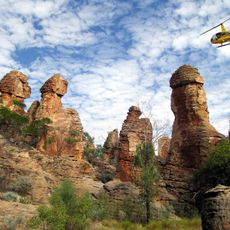
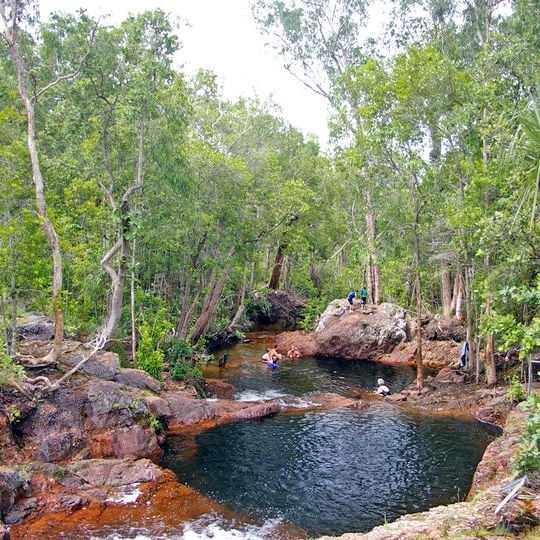
Litchfield National Park is a protected area in the Northern Territory, roughly 130 kilometers southwest of Darwin, known for sandstone plateaus and tropical monsoon forests. Several waterfalls flow into clear pools, while open woodland and wetland lie between the main attractions.
Litchfield National Park was proclaimed in 1986 and named after Frederick Henry Litchfield, a member of the Finniss Expedition of 1864. He led a small group through the area now in the park in September 1865 while exploring the Daly River. The land was formerly part of Stapleton, Tipperary and Camp Creek pastoral leases; in 1985 Stapleton's lessees surrendered their lease to the Conservation Land Corporation.
The Kungarakan and Marranunggu peoples hold the landscape as the work of ancestral spirits still present in it. The park's name honours Frederick Henry Litchfield, who led a small party through this country in September 1865 and kept a diary of the grassed plains and watered timber he found. Tin mining at Bamboo Creek from 1906 drew on Mak Mak Marranunggu labour.
Most trails and swimming areas are reachable with regular vehicles during the dry season from May to October. During the wet season, floods may close roads, so visitors should check road conditions beforehand and carry enough drinking water.
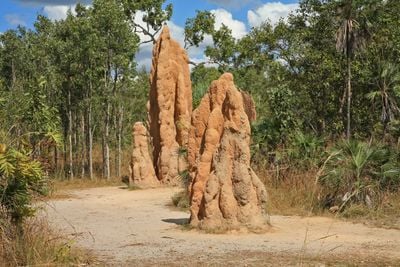
Termite mounds here stand in nearly perfect north-south alignment because insects position their structures so morning sun warms the narrow side. This arrangement helps colonies avoid extreme heat during the day and retain warmth at night.
The community of curious travelers
AroundUs brings together thousands of curated places, local tips, and hidden gems, enriched daily by 93,367 contributors worldwide.