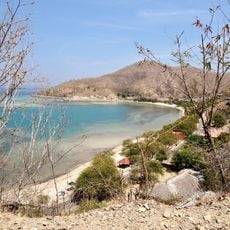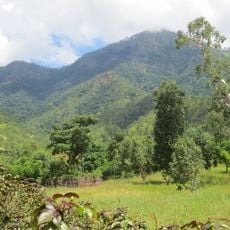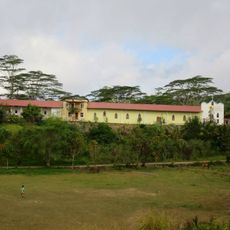
Lene Hara cave, Archaeological cave site near Tutuala, Timor-Leste
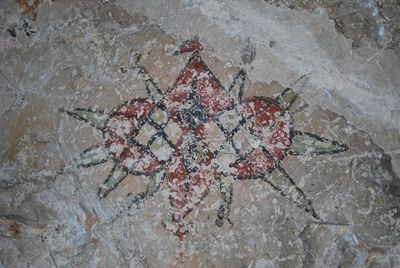
Lene Hara cave is a limestone cave system at the eastern tip of Timor-Leste, containing ancient carved faces and scattered archaeological remains from past human occupation. The site includes multiple chambers with evidence of habitation and artistic activity preserved in its rock walls.
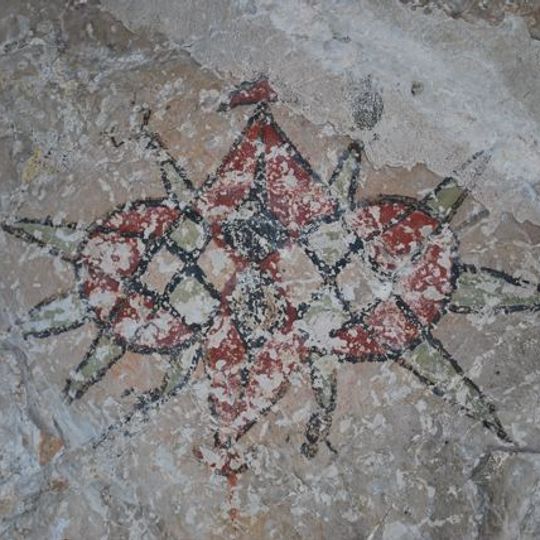
The rock carvings date back to the Stone Age and rank among the oldest documented human artwork in Southeast Asia. Scientific study began in 1963 when a Portuguese anthropologist conducted the first formal investigation, launching decades of archaeological work.
The carved faces with circular headdresses on the walls hold deep meaning for the local Tutuala community, connected to ancient spiritual beliefs and practices. These images remain central to how people understand their connection to the land and their ancestors.
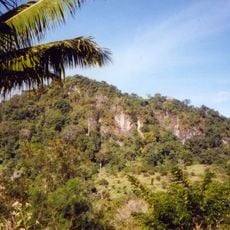
Access to the cave requires a local guide from Tutuala village and proper equipment for exploration of the site. The journey involves challenging terrain, so visitors should plan ahead and be in reasonable physical condition.
Researchers found sixteen hand stencils painted on the cave walls in 2020, confirming human artistic expression during the Pleistocene era. These handprints rank among the earliest evidence of artistic activity in the region.
The community of curious travelers
AroundUs brings together thousands of curated places, local tips, and hidden gems, enriched daily by 92,633 contributors worldwide.