Limestone Coast, Geographic region in South Australia.
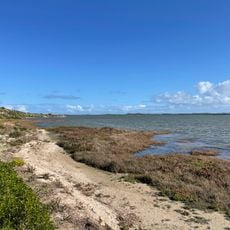
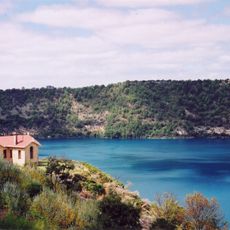
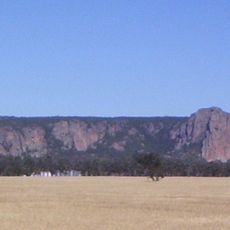
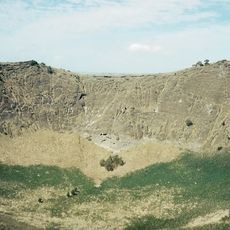
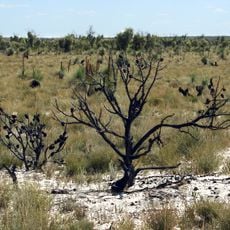
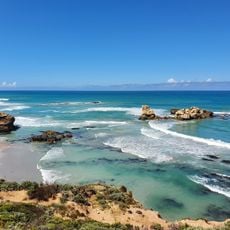
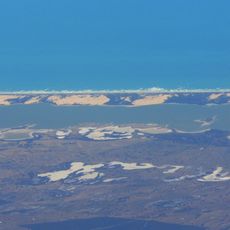
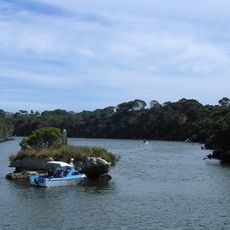
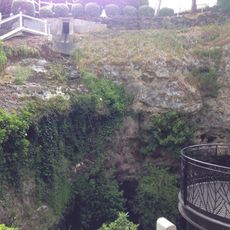
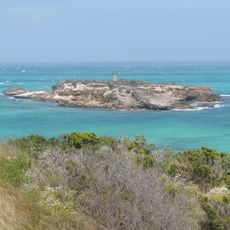
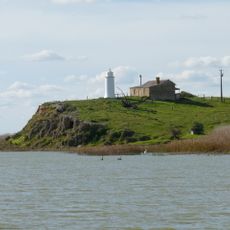
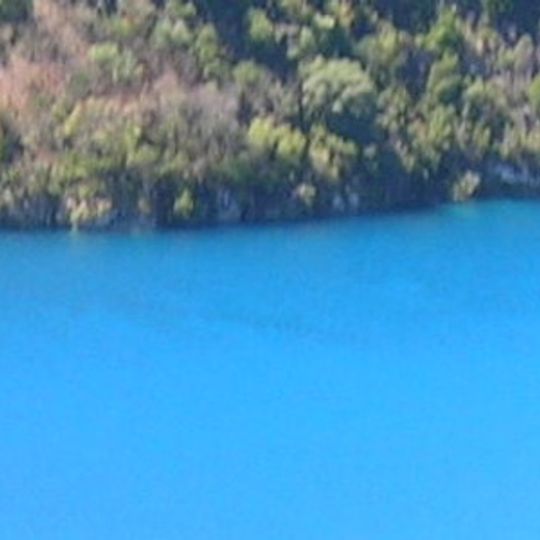
The Limestone Coast is a geographic region along South Australia's southeastern border, defined by dramatic coastal cliffs, extensive cave systems, and distinctive blue lakes. The landscape transitions from coastal areas to inland plains, with Mediterranean climate conditions supporting both agriculture and natural vegetation.
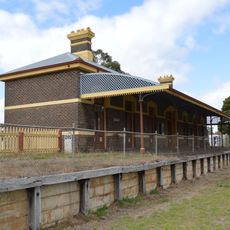
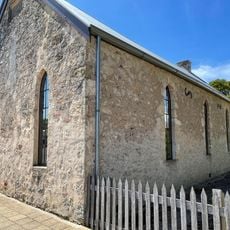
European settlement began in the early 1800s, with farmers transforming the landscape through agriculture and constructing extensive drainage systems. These changes reshaped how the land was used and enabled the region's gradual growth and development.
The region carries deep roots in Aboriginal heritage, with Indigenous clans inhabiting these lands for countless generations before European contact. Local communities still maintain strong connections to this ancestral history through their daily life and relationship with the land.
Mount Gambier, Penola, and Robe are the main towns offering accommodations and dining options throughout the region. Regular air connections from Adelaide to Mount Gambier make reaching the area straightforward for most travelers.
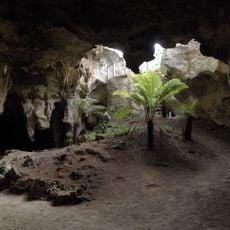
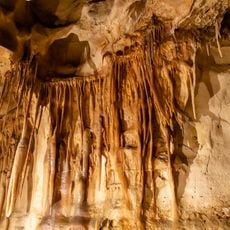
The Victoria Fossil Cave and Naracoorte Caves hold Australia's largest fossil collection and are recognized as a World Heritage Site. Visitors can walk through layers of ancient remains that reveal what lived in this region thousands of years ago.
The community of curious travelers
AroundUs brings together thousands of curated places, local tips, and hidden gems, enriched daily by 60,000 contributors worldwide.