Treasury Gardens, Urban park in East Melbourne, Australia
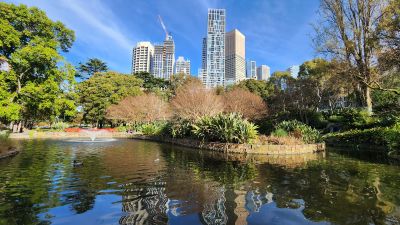
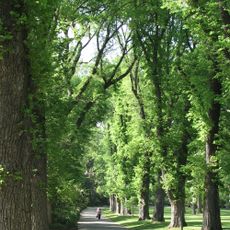
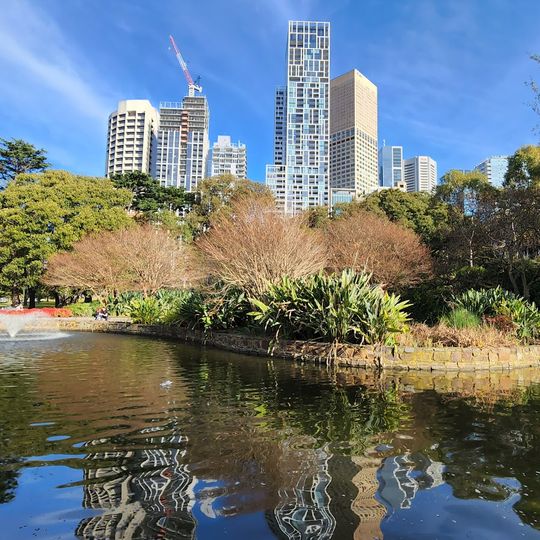
Treasury Gardens is an urban park in East Melbourne featuring interconnected walking paths that wind through the grounds. Native Australian trees grow alongside traditional European plantings, with a central pond surrounded by mature specimens creating distinct sections throughout the space.
The park was created in 1867 based on a design featuring diagonal crossing paths and a pond edged with willows. This layout embodied nineteenth-century thinking about organizing green spaces within city boundaries.
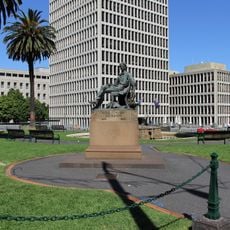
The name refers to the Treasury building that once stood here, reflecting the government's presence in this space. Today, visitors encounter several memorials nestled among the plantings, which show how people have marked important moments in this Melbourne location.
The park sits between Wellington Parade and Spring Street, remaining open and accessible year-round. Level pathways allow comfortable walking through different sections, making it easy for visitors to move around at their own pace.
In September 2019, tens of thousands of people gathered here for a climate rally, revealing how this green space can accommodate large assemblies. The grounds provided room for a crowd that would normally use the park for quiet walking and small group activities.
Location: City of Melbourne
Inception: 1867
Elevation above the sea: 31 m
Address: 2-18 Spring St, East Melbourne VIC 3002, Australia
Phone: +61396589658
GPS coordinates: -37.81420,144.97600
Latest update: December 6, 2025 17:41
Melbourne combines historic heritage and nature across several notable sites. The Queen Victoria Market, established in 1878, spans seven hectares and offers fresh products and local crafts. The Royal Botanic Gardens have housed over 8,500 plant species on 36 hectares since 1846. Flinders Street Station, built in 1910, marks the city center with its French architecture and green dome. Federation Square covers 3.2 hectares and hosts the Arts Centre, NGV Gallery, and restaurants. The surrounds of Melbourne provide various destinations. The Great Ocean Road stretches 243 kilometers between Torquay and Allansford, along limestone cliffs and rock formations of the Twelve Apostles. St Kilda is popular for its beach, pier, and Luna Park, an amusement park dating back to 1912. Phillip Island is a 100 km² natural reserve where penguins return to the coast each evening, and the island also hosts seal colonies. The Melbourne Museum displays natural history collections and Aboriginal culture, while the Eureka Tower offers views of the city from 297 meters high.
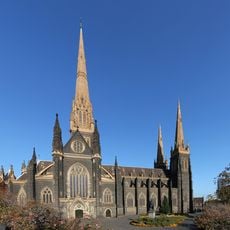
St Patrick's Cathedral
456 m
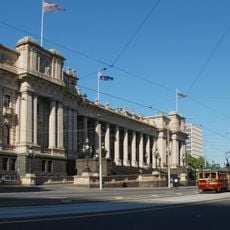
Parliament House
434 m
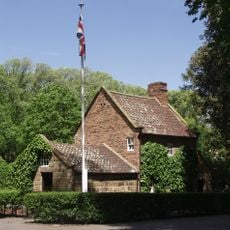
Cooks' Cottage
266 m
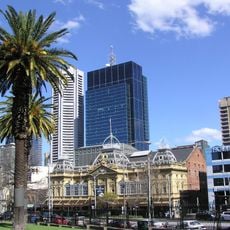
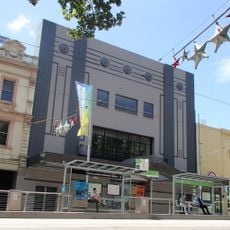
Princess Theatre
503 m
Melbourne Club
315 m
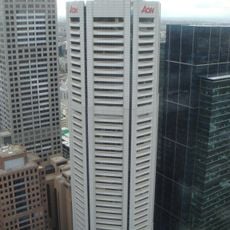
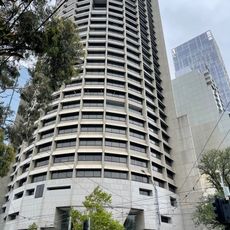
Nauru House
465 m
Fitzroy Gardens
394 m
101 Collins Street
468 m
Old Treasury Building
181 m
Collins Place
283 m
1 Treasury Place
235 m
Palace Theatre
476 m
Great Petition
310 m
Grosvenor Chambers
228 m
Fortyfivedownstairs
264 m
East Melbourne Lutheran church
360 m
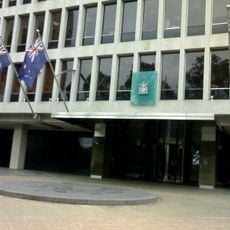
Commonwealth Offices Building
224 m
Milton House
184 m
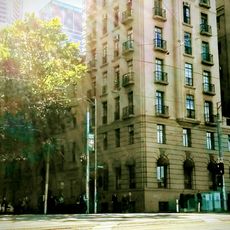
Alcaston House
244 m
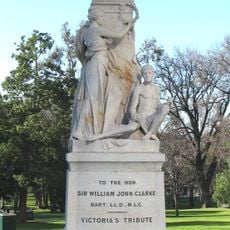
Sir William John Clarke
157 m
1 Spring Street
195 m
Gordon Reserve
261 m
Herald and Weekly Times building
338 m
State Government Offices
147 m
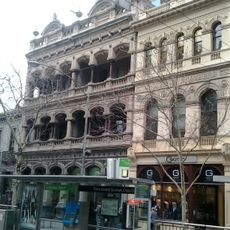
Tasma Terrace
283 m
Tram Shelter
303 m
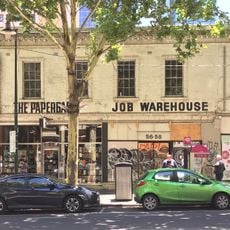
Job Warehouse
490 m
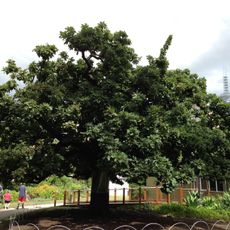
Federal Oak
422 mVisited this place? Tap the stars to rate it and share your experience / photos with the community! Try now! You can cancel it anytime.
Discover hidden gems everywhere you go!
From secret cafés to breathtaking viewpoints, skip the crowded tourist spots and find places that match your style. Our app makes it easy with voice search, smart filtering, route optimization, and insider tips from travelers worldwide. Download now for the complete mobile experience.
A unique approach to discovering new places❞
— Le Figaro
All the places worth exploring❞
— France Info
A tailor-made excursion in just a few clicks❞
— 20 Minutes