Whatipu, Black sand beach in the Waitākere Ranges, Auckland Region, New Zealand
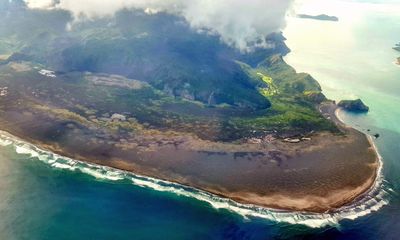
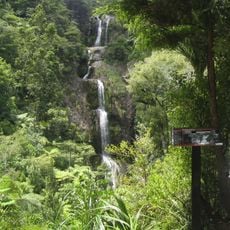
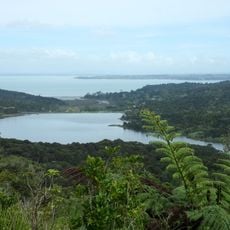
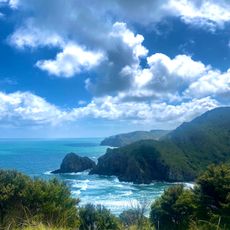
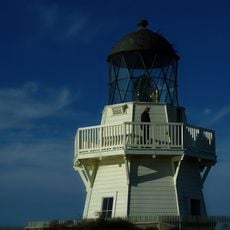
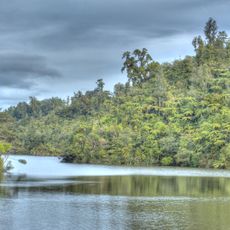
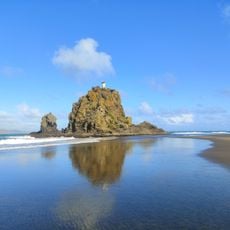
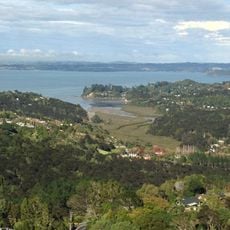
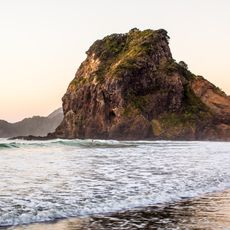
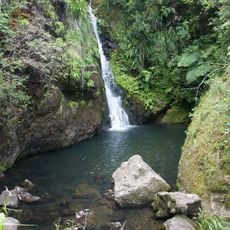
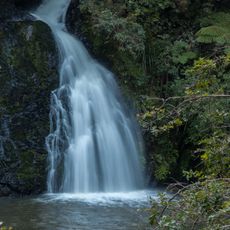
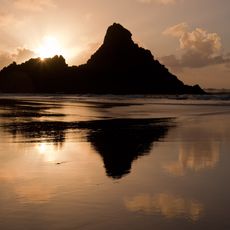
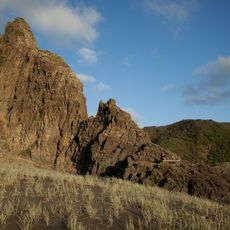
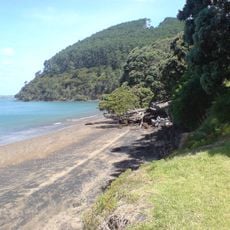
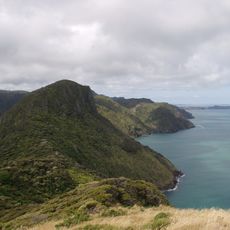
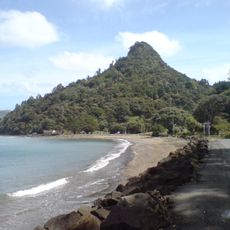
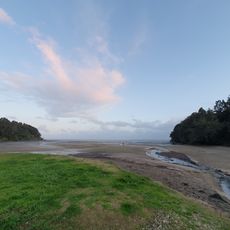
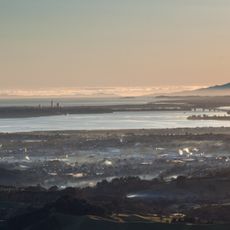
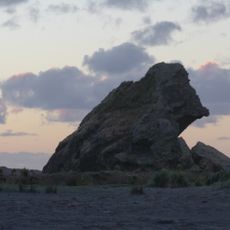
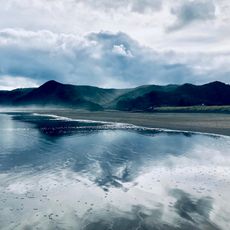
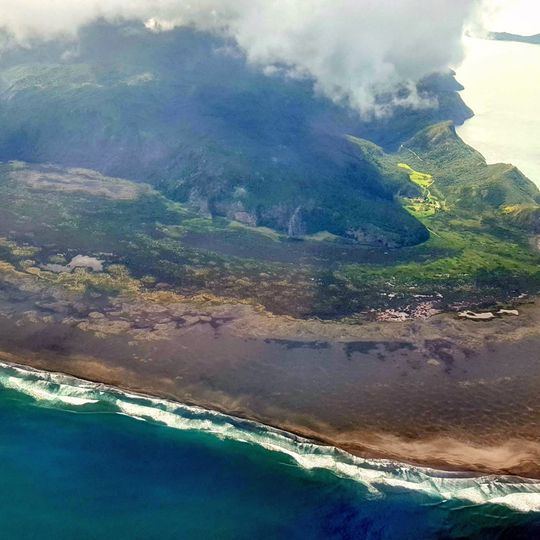
Whatipu is a remote black sand beach at the southern end of the Waitākere Ranges, on the west coast of the Auckland Region. It lies between Manukau Harbour to the south and Karekare to the north. The beach is backed by sand dunes and pōhutukawa trees, and its southern end features Te Toka-Tapu-a-Kupe / Ninepin Rock and Paratutae Island, remnants of the Miocene Waitākere Volcano.
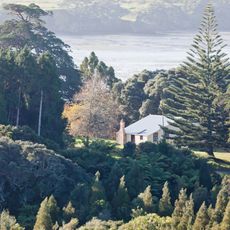
Nicholas Gibbons, a sawmill operator from St Johns, Newfoundland, bought land in the Waitākeres in 1854 and ran timber milling at Whatipu until the 1870s. A mill built at Whatipu in 1867 dammed the Whatipu Stream, and a tramline reached a second mill 3 km north in 1870, later extended to Piha and Anawhata. The mills closed in 1886 when the kauri ran out.
The caves here once provided shelter for Māori communities during territorial disputes in earlier centuries. Visitors can still observe these natural spaces and understand how they served as important refuges for the local people.
An unsealed road leads to a parking area, with a 15-minute walk on sand to reach the main beach and nearby Paratutae Island. Wear comfortable shoes for the sandy terrain, as the path through the dunes can be tiring depending on conditions.
Since the 1940s, natural sand accumulation has continuously expanded the beach area and created new wetland habitats. This ongoing process has transformed the landscape by introducing fresh ecosystems and plant growth.
The community of curious travelers
AroundUs brings together thousands of curated places, local tips, and hidden gems, enriched daily by 95,289 contributors worldwide.