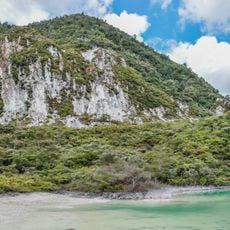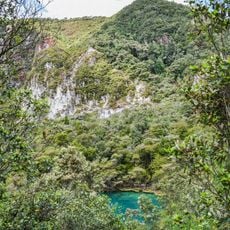
Waimangu Geyser, Geothermal formation in Bay of Plenty Region, New Zealand.
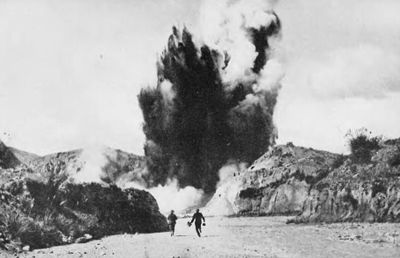
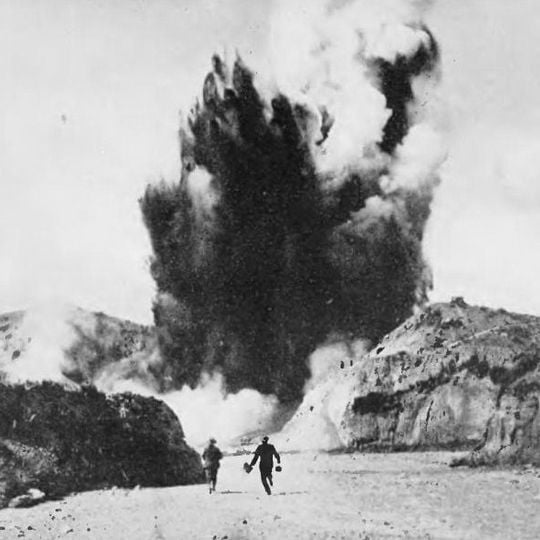
Waimangu Geyser was a geothermal formation in the Bay of Plenty Region that shot boiling water, mud, and rocks high into the air. The fountain reached heights of 460 meters and was one of the most dramatic natural displays in the country.
The geyser was regularly active between 1900 and 1904, erupting roughly every 36 hours. A landslide then altered the water levels in Lake Tarawera and stopped the eruptions.
The name Waimangu comes from Māori language and means Black Waters, named after the dark materials that shot up during eruptions. The site today serves as a reminder of how nature shaped this landscape.
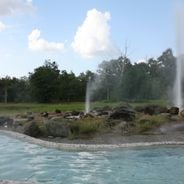
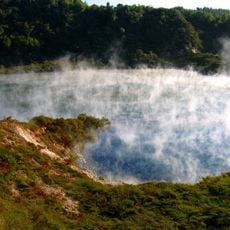
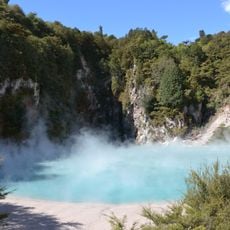
The former site is accessible today through guided tours in the Waimangu Volcanic Valley. The area offers walking paths and viewpoints to understand the geothermal activity and history on-site.
A tour guide named Alfred Warbrick measured the geyser lake depth at about 15 meters in 1903 while rowing a small boat near the dangerous boiling spring. These early measurements helped people understand the power of this geothermal feature.
The community of curious travelers
AroundUs brings together thousands of curated places, local tips, and hidden gems, enriched daily by 91,983 contributors worldwide.