Magnetic Island National Park, Nature reserve in Townsville City, Australia.
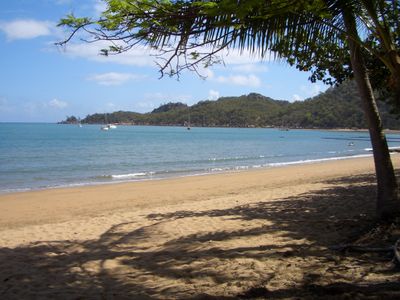
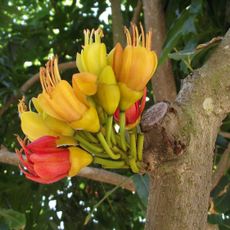
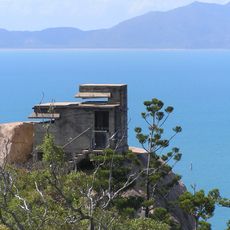
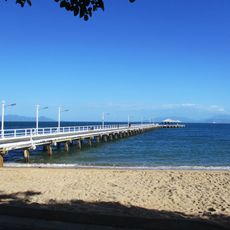
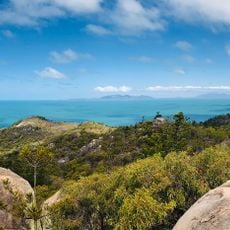
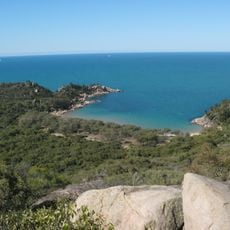
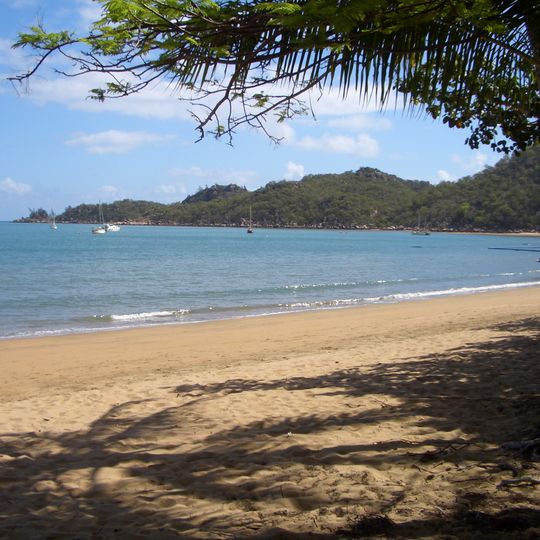
Magnetic Island National Park covers 39.5 km² of the 52 km² granite island of Yunbenun, more than half of it, in Cleveland Bay off Townsville. The park holds open eucalyptus woodland with hoop pines and kapok trees, rainforest remnants on the headlands and mangroves along the coast, ringed by sandy beaches and coral reefs. Walking tracks link the bays and lead to the World War II forts.
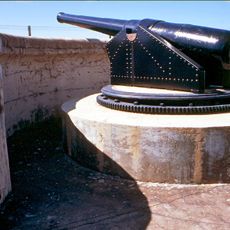
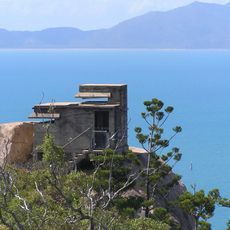
The Wulgurukaba people lived on Yunbenun for thousands of years, leaving middens and stone tool remains. In 1770 James Cook named it Magnetical Island, believing the landmass affected his compass. From 1875 the island served as a quarantine station, with facilities built at West Point in 1884. During World War II, the Magnetic Battery (the Forts) was built above Florence, Horseshoe and Arthur Bays.
The island's Wulguru name is Yunbenun, and the Wulgurukaba held seasonal camps at several bays, travelling to and from the mainland by canoe. Middens and cave drawings remain in bays around the island, and burial sites are said to exist but have not been identified. Wulguru folklore recounts annual migrations to the mainland to avoid head-hunting expeditions from Papua New Guinea and the Torres Strait, which nearly ceased after Samuel MacFarlane's 1871 mission to the Torres Straits.
The national park covers 39.5 km², more than half of Magnetic Island, and camping is not permitted within it. Ferries run from Townsville Breakwater to Nelly Bay Harbour in about 30 minutes, and walking tracks link the populated bays with destinations such as the World War II forts.
The island's granite base was separated from the mainland when sea levels rose about 7,500 years ago, leaving beaches and coral reefs around the whole coast. Dugongs graze on the seagrass meadows offshore, while bush stone-curlews remain common in the open eucalypt woodland.
The community of curious travelers
AroundUs brings together thousands of curated places, local tips, and hidden gems, enriched daily by 92,652 contributors worldwide.