Rinyirru National Park, Nature reserve in Queensland, Australia
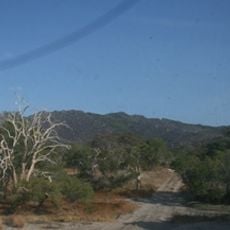
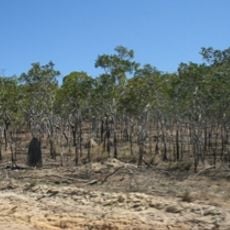
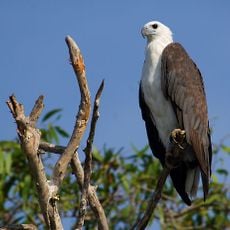
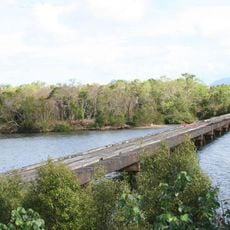
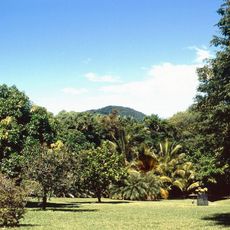
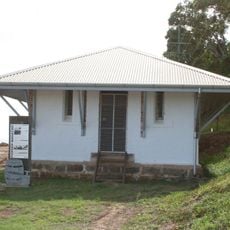
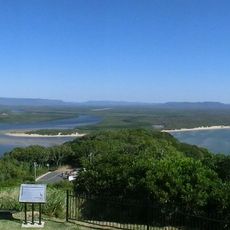
Rinyirru (Lakefield) National Park is a nature reserve in northern Queensland that features an interconnected system of rivers, permanent waterholes, lakes, and wetlands forming a complex ecological network. These water bodies and surrounding habitats support diverse wildlife throughout the protected area.
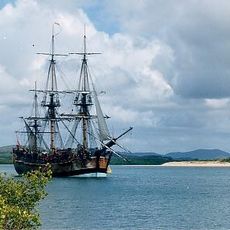
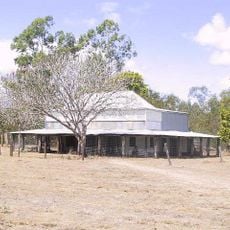
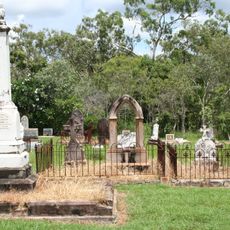
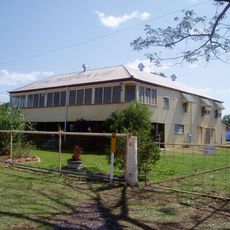
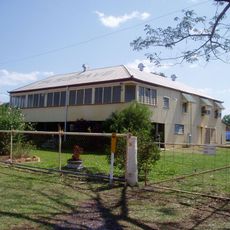
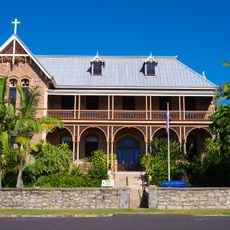
European explorers including Edmund Kennedy and William Hann arrived in the 19th century and influenced early European presence in the area, which led to the development of Laura Homestead. These explorations marked the beginning of European contact with the region.
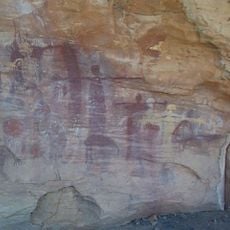
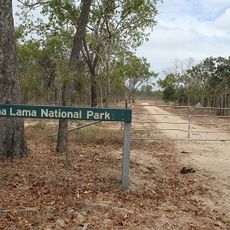
The park is jointly managed by the Lama Lama and Kuku Thaypan peoples and the clans Bagaarrmugu, Mbarimakarranma, Muunydyiwarra, Magarrmagarrwarra, Balnggarrwarra and Gunduurwarra under the Cape York Peninsula Aboriginal Land (CYPAL) status. Aboriginal cultural heritage sites stand at the Hann and Kalpowar crossings, and the local name for Corypha utan is Kennedy palm.
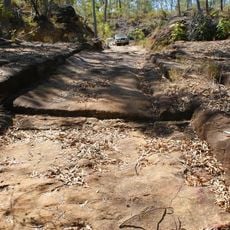
The reserve can be accessed via an unsealed road, though visitors should be prepared for potential closures during the wet season from December to April. Planning your visit timing around weather patterns helps ensure safe access to the area.
The park holds Queensland's largest concentration of crocodiles, with both freshwater and saltwater species in its waterways. The saltwater crocodile can grow very large and is dangerous to people; a Townsville man was killed by one at the Midway waterhole on the Normanby River in 2005 while canoeing with his wife.
The community of curious travelers
AroundUs brings together thousands of curated places, local tips, and hidden gems, enriched daily by 92,954 contributors worldwide.