Ashmore Reef Marine Park, marine park around Ashmore Reef, Australia
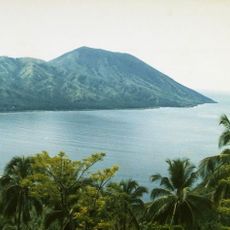
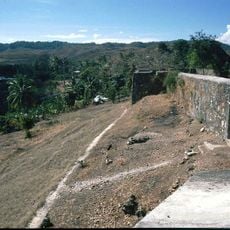
Ashmore Reef Marine Park covers 583 km2 of the Timor Sea, about 630 km north of Broome and 110 km south of the Indonesian island of Rote. It lies within the MOU Box and holds two large lagoons, shifting limestone-sand banks and three vegetated islands, East, Middle and West, together covering 61 ha.
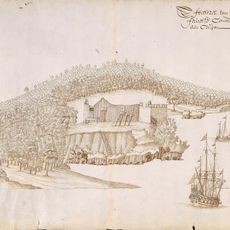
Indonesian fishers had used the reef since the early 18th century, planting the coconut palms on the islands and taking drinking water on West Island. Samuel Ashmore, commander of the Hibernia, reached it on 11 June 1811 and gave the reef its name. American whalers hunted here in the 1850s and guano was mined on West Island in the mid-19th century. A November 1974 memorandum with Indonesia kept partial access to West Island for traditional fishers; the reserve was proclaimed on 16 August 1983.
Indonesian fishermen have reached these islands since the early 18th century, planting the coconut palms and collecting drinking water on West Island. A 1974 Memorandum of Understanding between Australia and Indonesia lets traditional fishermen land on West Island to take water, visit ancestral graves and seek shelter. Indonesian artefacts and grave sites remain on the islands.
The reef lies about 630 km north of Broome and 110 km south of the Indonesian island of Rote, with no permanent population on East, Middle or West Island. It sits inside the MOU Box, where Indonesian traditional fishers keep partial access to West Island for fresh water, ancestral graves and shelter. The park is IUCN category Ia, so check zoning before any landing.
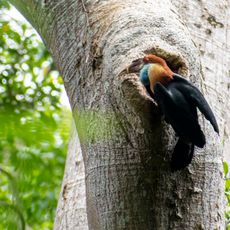
The reef's seabird colonies, mainly sooty terns and noddies, hold about 50,000 breeding pairs, not 100,000 birds. German sources also record 78 bird species, 17 of them breeding, and 35 covered by migratory bird agreements with China, Japan and Korea.
The community of curious travelers
AroundUs brings together thousands of curated places, local tips, and hidden gems, enriched daily by 93,392 contributors worldwide.