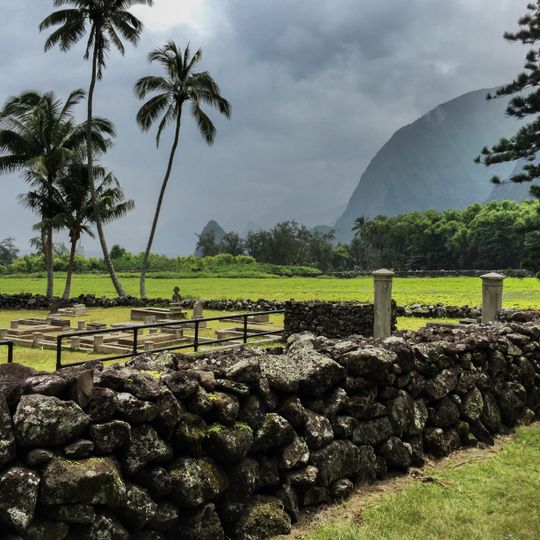
Kalaupapa Leprosy Settlement and National Historical Park

Log in to your account

AroundUs is a community-driven map of interesting places, built by curious explorers like you. It grows with every review, story, and photo you share.
Connect to save your favorite spots, contribute locations, and create personalized routes.
By continuing, you accept our Terms and Conditions and our Privacy Policy
Add to collection
Map
Suggest a change
Share

Kalaupapa Leprosy Settlement and National Historical Park, National Historical Park in Molokai, United States

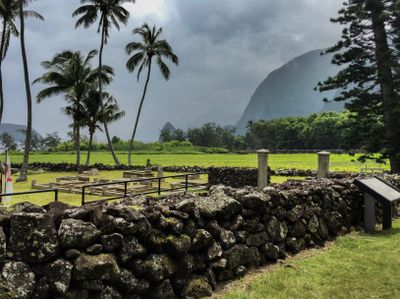
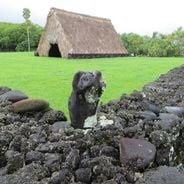
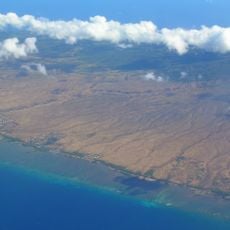
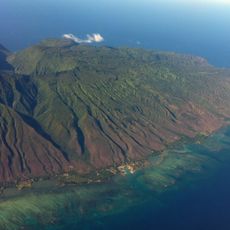
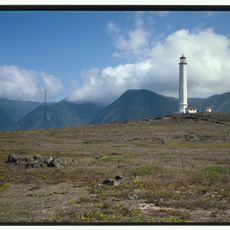
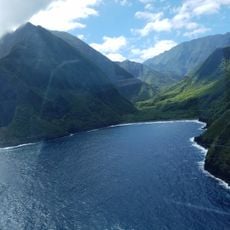
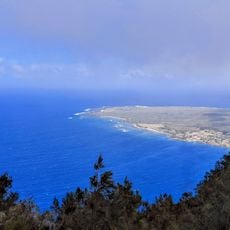
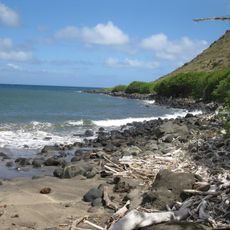
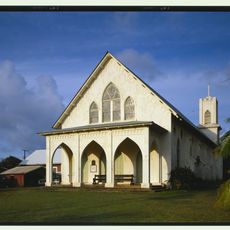
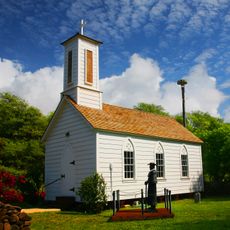
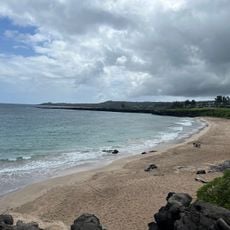
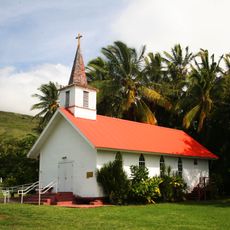
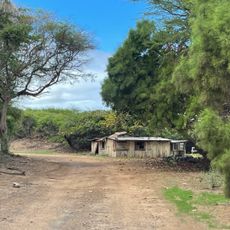
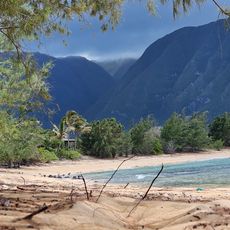
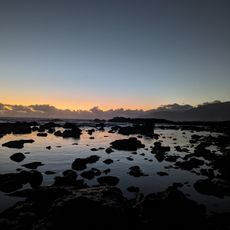
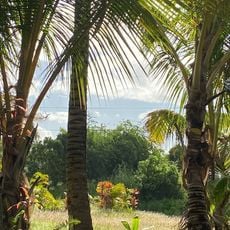
Kalaupapa is a National Historical Park on an isolated peninsula on Molokai that once served as a settlement for people with Hansen's disease. The site contains historic buildings, cemeteries, and medical facilities that document life at the location.

The peninsula was established in 1866 when the Hawaiian government began sending people with Hansen's disease there. The location operated as a quarantine settlement until the isolation policy ended in 1969.

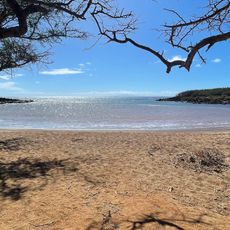
The name Kalaupapa comes from Hawaiian and means "flat bay." The buildings and streets here still reflect how residents organized their daily lives, with simple structures that show how communities adapted to isolation.

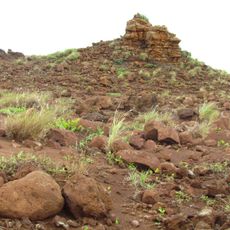
Access to the peninsula is restricted and requires advance reservation plus approval from authorized tour operators. Visitors must be at least 16 years old and should prepare for limited hours and challenging terrain.

A small number of longtime residents retain the right to live on the peninsula for life, maintaining direct connection to this place. This rare arrangement means the site is still inhabited by people who lived through its history.

Location: Kalawao County

Inception: December 22, 1980

Operator: United States National Park Service

Website: https://nps.gov/kala

GPS coordinates: 21.17780,-156.96000

Latest update: December 6, 2025 16:04

Hawaii: natural sites, beaches and historical places

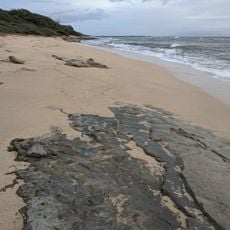
The Hawaiian Islands offer beaches with white, black, and red sand, formed through volcanic activity and coral erosion. Coastal areas display tide pools, sea caves, and lava formations. Inland, hiking trails lead through rainforest valleys to waterfalls and historic Heiau temples, which served as ceremonial sites for the Polynesian inhabitants. The volcanic geology has created lava tubes, craters, and calderas that are now accessible to visitors. Botanical gardens preserve native plant species, while archaeological sites like ancient settlements and petroglyph fields provide insights into pre-European history. The islands also feature limestone caves with marine fossils and reefs suitable for snorkeling.

Reviews

Visited this place? Tap the stars to rate it and share your experience / photos with the community! Try now! You can cancel it anytime.

« Kalaupapa Leprosy Settlement and National Historical Park - National Historical Park in Molokai, United States » is provided by Around Us (aroundus.com). Images and texts are derived from Wikimedia project under a Creative Commons license. You are allowed to copy, distribute, and modify copies of this page, under the conditions set by the license, as long as this note is clearly visible.

Discover hidden gems everywhere you go!

From secret cafés to breathtaking viewpoints, skip the crowded tourist spots and find places that match your style. Our app makes it easy with voice search, smart filtering, route optimization, and insider tips from travelers worldwide. Download now for the complete mobile experience.
Around Us App Screenshot

A unique approach to discovering new places

Le Figaro

All the places worth exploring

France Info

A tailor-made excursion in just a few clicks

20 Minutes