Hawaiian Islands, Archipelago in Pacific Ocean, United States.
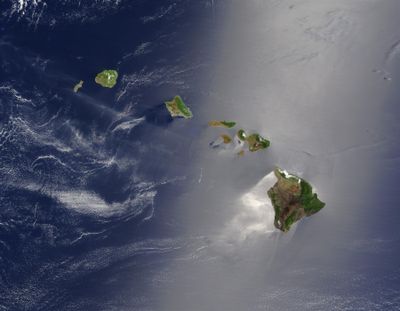
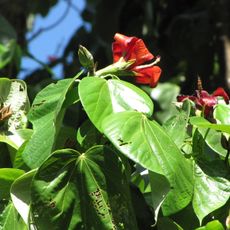
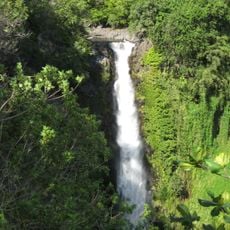
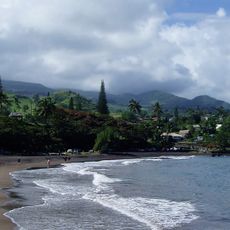
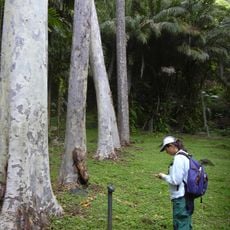
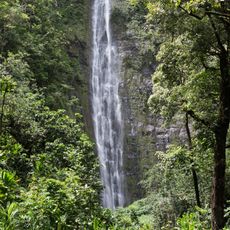
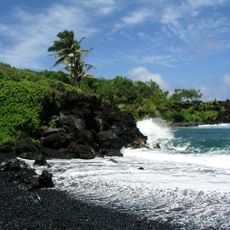
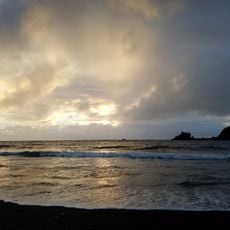
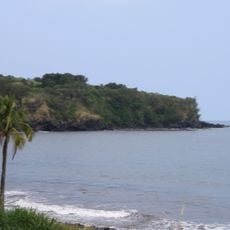
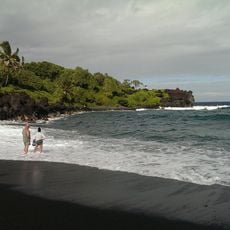
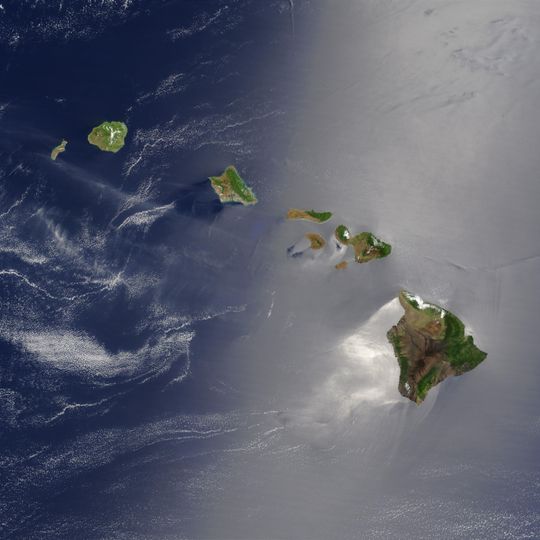
The Hawaiian Islands form an archipelago in the Pacific Ocean, made up of more than a hundred volcanic islands stretching across 2,450 kilometers (1,520 miles). The eight largest islands are inhabited, and together with numerous smaller atolls and reefs, they create a vast marine ecosystem with tropical vegetation and volcanic landscapes.
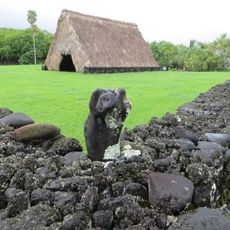
Polynesian navigators settled here between the 4th and 7th centuries, developing a distinct society over hundreds of years. Encounters with European explorers in the late 1700s brought profound changes to native communities and their way of life.
Local communities practice Polynesian customs daily through family gatherings, shared meals, and spiritual ceremonies that honor land and ocean. Visitors often encounter the Hawaiian language in place names, greetings, and public events where elders share stories in both Hawaiian and English.
The eight main islands are named Hawaii, Maui, Oahu, Kauai, Molokai, Lanai, Niihau, and Kahoolawe, and each offers different landscapes and stretches of coastline. The climate remains warm year-round, with temperatures between 64 and 90 degrees Fahrenheit (18 and 32 degrees Celsius), though coastal areas tend to be drier than higher elevations.
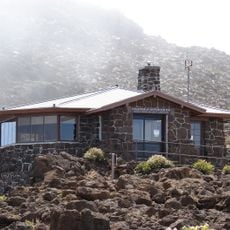
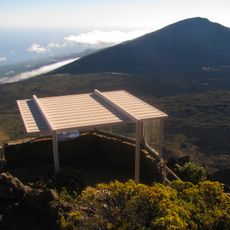
The volcano Mauna Loa on Hawaii Island is considered the largest shield volcano on Earth and continues to shape the landscape through regular geological activity. Its base rests on the ocean floor several thousand meters deep, making it taller from base to summit than many well-known mountains.
The community of curious travelers
AroundUs brings together thousands of curated places, local tips, and hidden gems, enriched daily by 90,820 contributors worldwide.