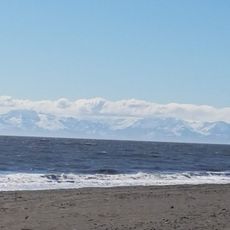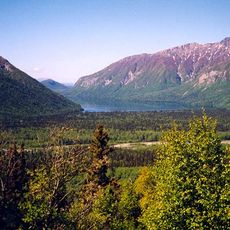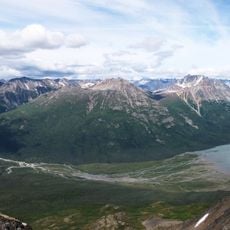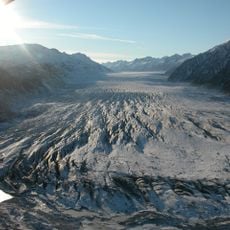
Lake Clark National Park and Preserve, National park and preserve in southern Alaska, United States.
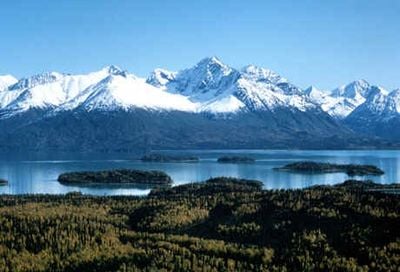
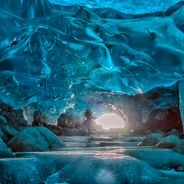
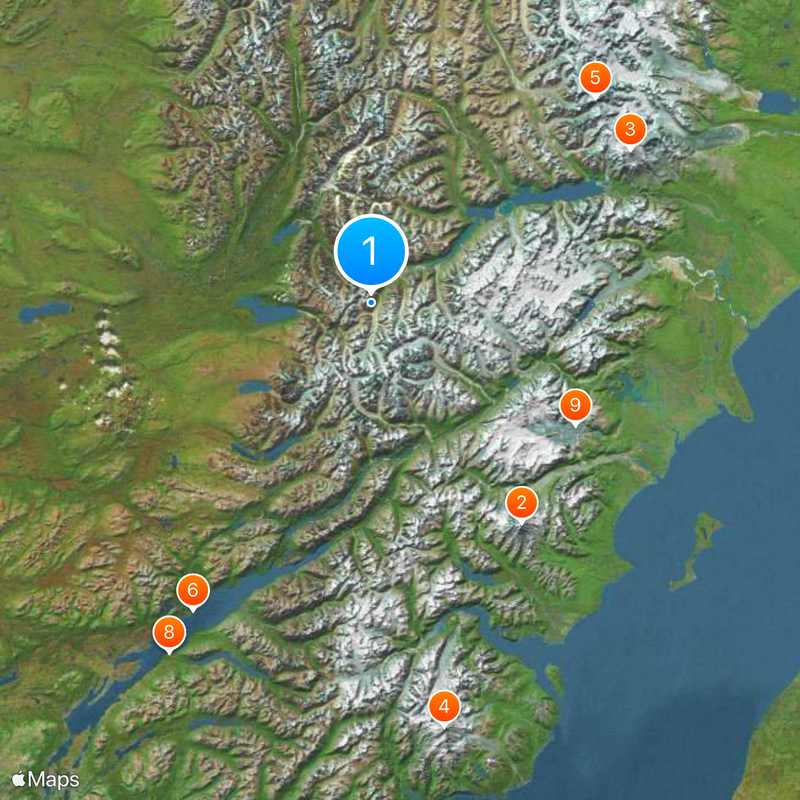
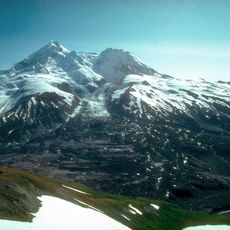
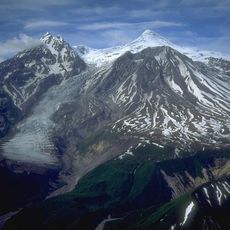
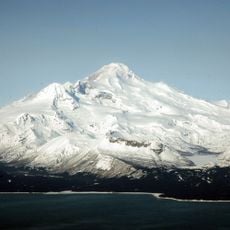
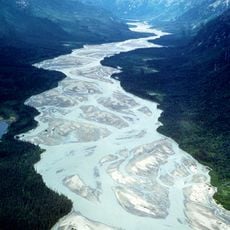
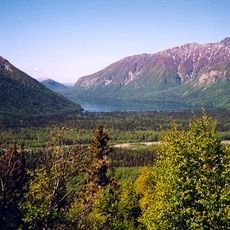
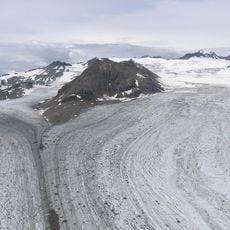
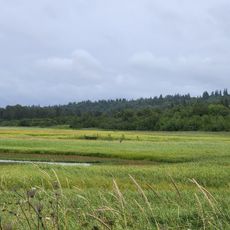
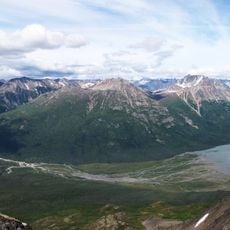
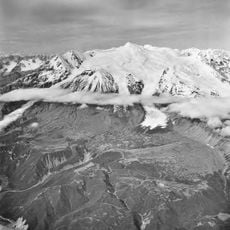
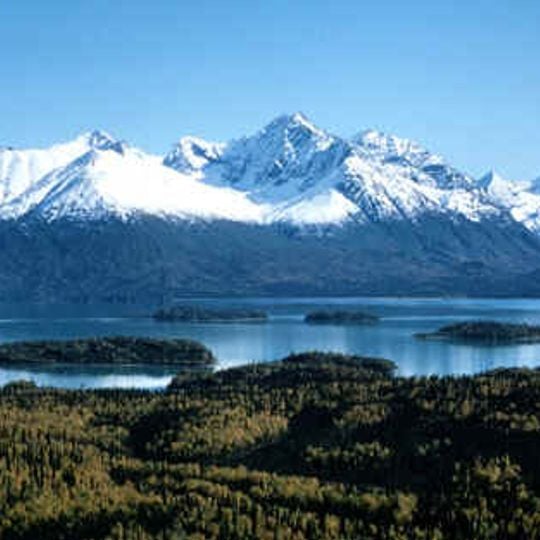
Lake Clark National Park and Preserve covers 4,030,015 acres (1,630,889 ha) in southwest Alaska, about 100 miles (160 km) southwest of Anchorage, spanning the Chigmit and Neacola Mountains from Cook Inlet into the interior. It protects rainforest along the Cook Inlet coast, alpine tundra, glaciers and glacial lakes, salmon rivers, and the volcanoes Mount Redoubt (10,197 ft) and Mount Iliamna (10,016 ft). Lake Clark itself is 42 miles long and 860 feet deep, Alaska's sixth largest lake.
President Carter declared this land a national monument in 1978 before Congress elevated it to national park status in 1980 through the Alaska National Interest Lands Conservation Act. The protection aimed to preserve untouched wilderness and traditional native homelands while allowing controlled access.
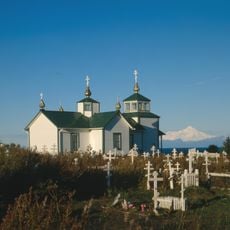
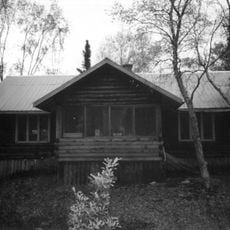
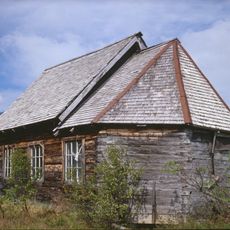
Dena'ina Athabascans live in settlements around the park, including Nondalton and Lime Village, and their place names mark the region; Kijik on Lake Clark is a Dena'ina village site listed as a National Historic Landmark. Subsistence hunting by local residents is allowed within the national park, while sport hunting is confined to preserve lands. The name Kijik refers to the red salmon that spawn in the river.
Floatplanes or small charter aircraft bring visitors into the area from Anchorage, as no roads lead here. Hiking and camping trips require careful preparation for changeable weather and remote conditions without infrastructure or cell service.
The volcanoes Iliamna and Redoubt sometimes release plumes of steam, reminding visitors that this mountain range remains geologically active. In autumn, thousands of salmon travel upstream through the rivers, drawing bears, eagles, and other animals to the banks.
The community of curious travelers
AroundUs brings together thousands of curated places, local tips, and hidden gems, enriched daily by 92,643 contributors worldwide.