Mount Redoubt, Active stratovolcano in Lake Clark National Park, Alaska, US
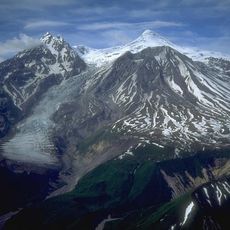
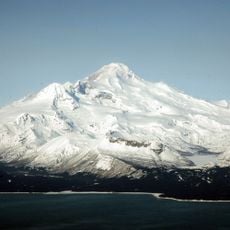
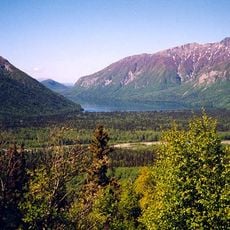
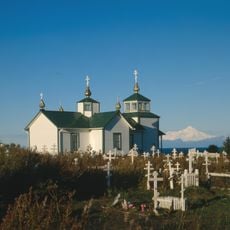
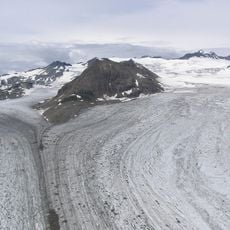
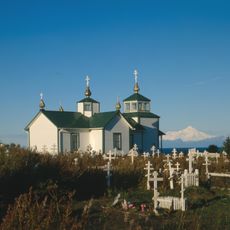
Mount Redoubt is an active stratovolcano in the Aleutian Range with steep sides and a large base that dominates the surrounding landscape. The cone rises sharply from the terrain and sits within Lake Clark National Park in south-central Alaska.
Captain James Cook observed Mount Redoubt in 1778 and described it emitting white smoke but no fire, though several sources call this a discredited eruption. Documented eruptions followed in 1902, 1966, 1989 and 2009, with questionable ones in 1881 and 1933. The 1989 eruption sent ash to 45,000 ft and stopped the engines of KLM Flight 867, which landed safely in Anchorage.
The Dena'ina people called this volcano Bentuggezh K'enulgheli and included it in their traditional stories and knowledge of the land. The mountain served as a landmark and held meaning in the daily life and travels of local communities.
This remote volcano is best viewed from a distance or reached through guided expeditions from nearby communities. Weather changes quickly in this area, so visitors should be prepared for sudden shifts and bring appropriate gear.
A major eruption in the late 1980s ejected massive amounts of ash that spread hundreds of miles downwind. The ash fall disrupted daily life across a large surrounding area and caused significant damage to equipment and structures.
The community of curious travelers
AroundUs brings together thousands of curated places, local tips, and hidden gems, enriched daily by 92,854 contributors worldwide.