Anchorage Coastal Wildlife Refuge, Protected natural area in the United States
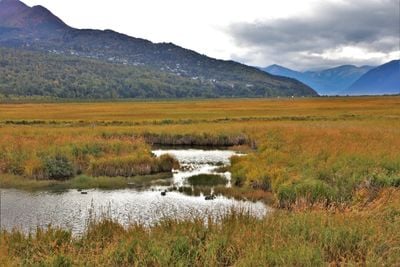
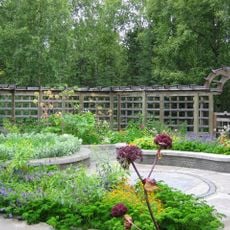
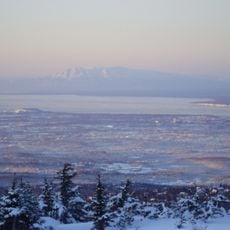
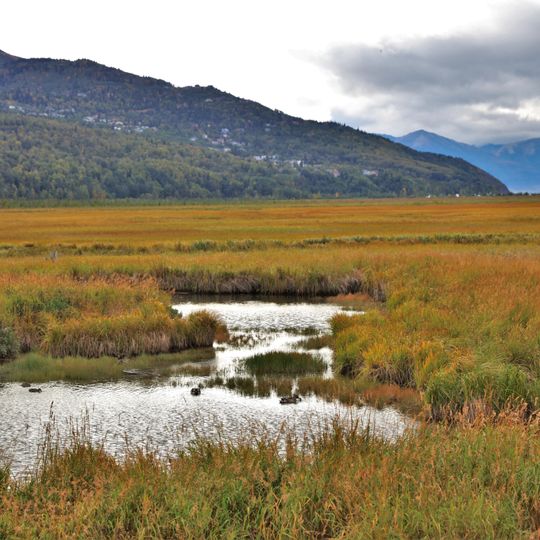
The Anchorage Coastal Wildlife Refuge is a nature reserve near Anchorage, primarily known for Potter Marsh. The refuge consists of shallow ponds, streams, and mixed woodlands of spruce, birch, and cottonwood, surrounded by areas of sedge and grass where moose, beavers, trumpeter swans, and bald eagles can be observed.
The area was originally shaped by tidal flows from Turnagain Arm until the construction of a railroad dam in 1917 blocked water movement. This change gradually transformed the land into the marsh ecosystem that now forms part of a broader coastal wildlife refuge.
The name comes from the indigenous term Hkaditali, meaning "drift lumber," referring to wood and debris once found here from tidal action. Today, visitors experience the place as a window into Alaska's wildlife and natural cycles throughout the seasons.
Access is via the Seward Highway south of Anchorage, with marked parking areas, restrooms, and boardwalks leading directly to viewing spots. Binoculars or spotting scopes are useful, and moose are best seen in early morning or late evening hours.
Large salmon occasionally swim in the deeper pools beneath the boardwalks, offering a rare glimpse of these fish in their natural setting. Patient observation can reveal this surprising moment that many visitors overlook.
The community of curious travelers
AroundUs brings together thousands of curated places, local tips, and hidden gems, enriched daily by 91,339 contributors worldwide.