Climate of Anchorage, Subarctic climate zone in Anchorage, United States.
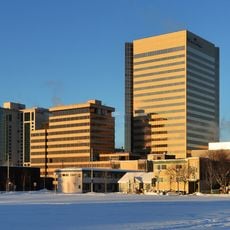
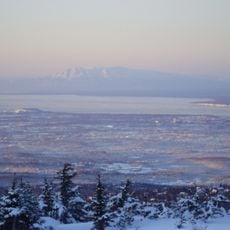
The climate of Anchorage is subarctic, with long cold winters and short mild summers. Precipitation falls mostly as snow from October through April, creating extended snow cover during colder months.
Anchorage was founded in 1914 and has experienced significant climate shifts over the decades, particularly a warming trend. These changes have prompted the city to adjust its planning and infrastructure strategies.
Residents structure their daily activities around extreme seasonal daylight shifts, with extended daylight during summer months and limited hours in winter. This rhythm shapes how people work, shop, and move through the city.
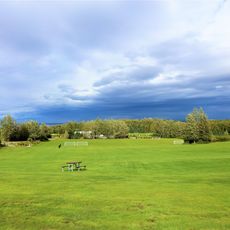
Visitors should prepare for sudden weather shifts and wear layered clothing, as temperatures can change quickly throughout the day. The best time for outdoor activities is the summer months, when days are longer and conditions are more temperate.
Summer brings nearly 20 hours of daylight per day, while winter drops to about 5 hours - a drastic change that surprises visitors from southern regions. This extreme shift has shaped how the city organizes activities and how residents adapt their routines.
The community of curious travelers
AroundUs brings together thousands of curated places, local tips, and hidden gems, enriched daily by 91,386 contributors worldwide.