Trans-Alaska Pipeline System, Oil pipeline from Prudhoe Bay to Valdez, United States
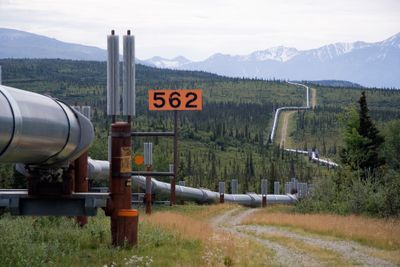
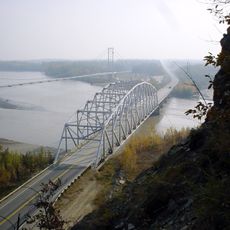
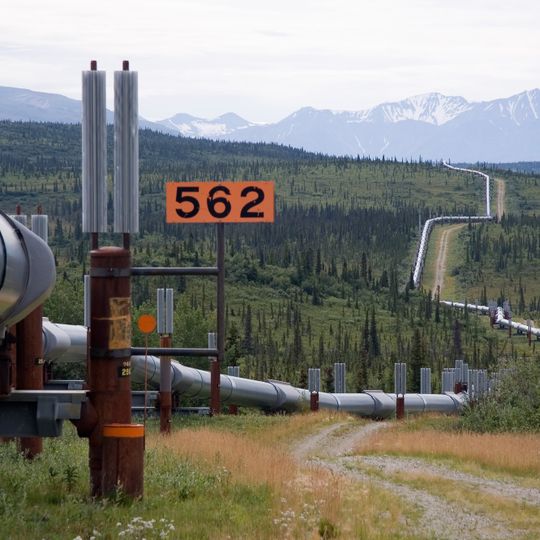
The Trans-Alaska Pipeline System is an oil pipeline linking Prudhoe Bay in the north to the port of Valdez in the south, running roughly 800 miles through the wilderness of Alaska. The tube travels partly above ground on metal supports and partly underground, crossing rivers, mountains and tundra.
After the discovery of large oil reserves in Prudhoe Bay in the late 1960s, construction began in 1974 and ended three years later. Thousands of workers moved to Alaska for the project, permanently changing the demographics of the state.
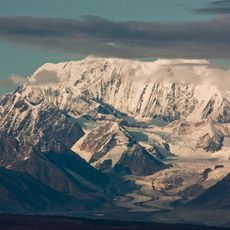
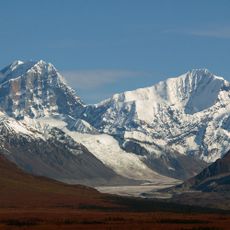
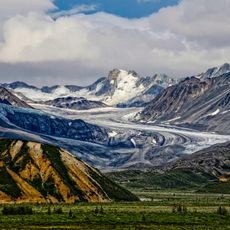
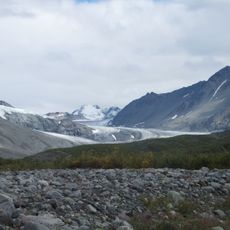
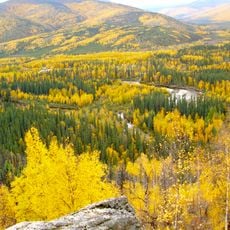
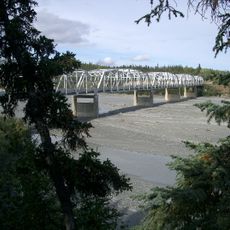
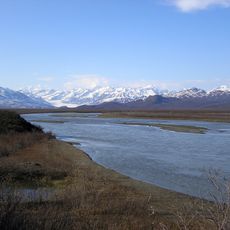
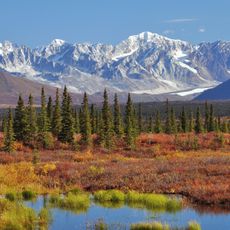
The route passes through several climate zones and landscape types, giving travelers insight into how engineering adapts to extreme conditions. Along the way, information panels recall how life in remote communities changed through access to work and infrastructure.
Several viewpoints along the Richardson and Dalton Highways offer views of the tube and allow visitors to see the structure up close. Information panels at these spots explain how the system works and the technical challenges of the project.
The tube can expand or contract several meters with temperature changes, so special joints absorb the movement. At some points the construction is laid in a zigzag pattern so it can move flexibly during earthquakes or ground shifts.
The community of curious travelers
AroundUs brings together thousands of curated places, local tips, and hidden gems, enriched daily by 91,477 contributors worldwide.