Cabot's Pueblo Museum, Historic house museum in Desert Hot Springs, California, United States
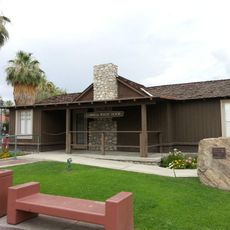
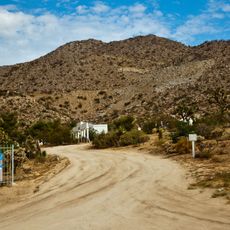
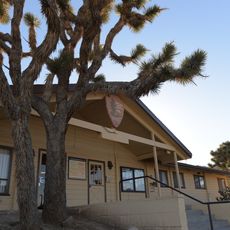
Cabot's Pueblo Museum is a four-story, 5,000-square-foot Hopi-style pueblo in the Pueblo Revival style, with 35 rooms, 150 windows, 65 doors and 30 roof levels. Cabot Yerxa built it and its outbuildings mainly from scrap wood and sheet metal scavenged from the surrounding desert, and fitted the walls with vents and shafts that keep the interior cool in summer.
Cabot Yerxa settled 160 acres in the Coachella Valley in 1913 and dug wells by pick and shovel on the hill he named Miracle Hill. He struck a 110 °F hot spring on one side of the Mission Creek Fault and a cold aquifer on the other. He left in 1917 for Army service in World War I, returned in 1937, and in 1939 began building the pueblo, opening it as a museum in 1950.
The building reflects Hopi and Pueblo architectural traditions through its design and construction methods. Inside, visitors encounter Native American artwork and artifacts that showcase these building philosophies.
The museum operates on specific weekdays and visitors should confirm hours before arriving. Guided tours are available and provide detailed insight into the building and its history.
The Waokiye sculpture on the grounds is the 27th of Peter Wolf Toth's Trail of the Whispering Giants. Carved from a 750-year-old sequoia felled by lightning, the 43-foot head was unveiled on May 20, 1978, and is the only one of the series left in California.
The community of curious travelers
AroundUs brings together thousands of curated places, local tips, and hidden gems, enriched daily by 92,639 contributors worldwide.