Altar de Sacrificios, Maya archaeological site in Petén, Guatemala
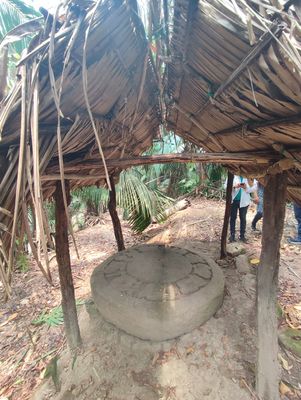
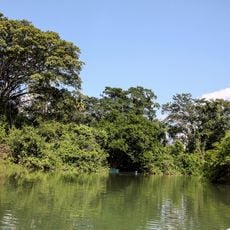
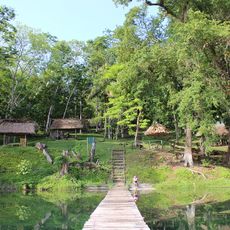
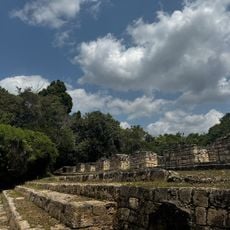
Altar de Sacrificios is a Maya ceremonial center and archaeological site on a small island about 700 metres long along the south bank of the Pasión River, near its junction with the Salinas, in Petén, Guatemala. Its roughly 30 large mounds surround three plazas across an area of about 400 by 400 metres, with ceremonial architecture on the higher eastern end and residential groups on the lower western end. The buildings were constructed using red stone sand, and the floors used lime condensed with ash.
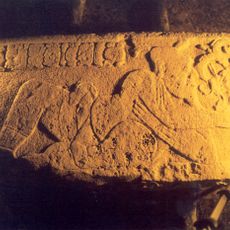
Founded possibly by Mixe-Zoquean people around 800 BC, Altar de Sacrificios is one of the earliest settlements in the Maya lowlands, predating Tikal. It became a ceremonial center between 600 and 300 BC, and its first Maya-tradition pyramid, Structure B-1, was built between 300 BC and AD 150. At least ten rulers are recorded on its monuments, including three who governed from AD 455 to 524 and a youthful ruler who took office in 589 and governed until 633. Occupation ended around AD 950.
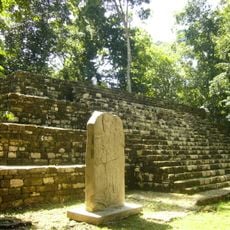
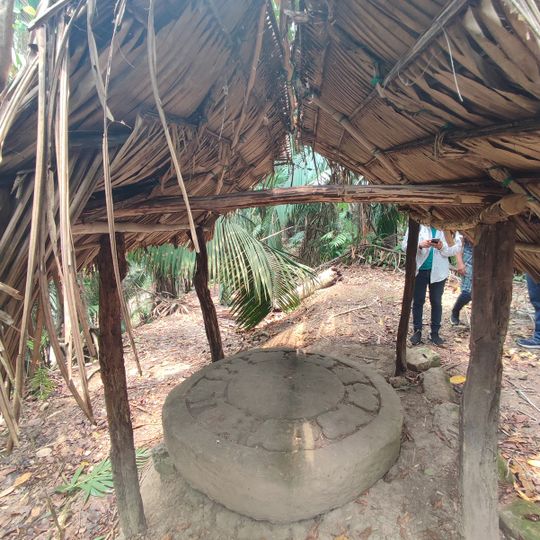
Teobert Maler named the site after Stela 1, which he took to be an altar for sacrifices. An emblem glyph for the city has been identified, but epigraphers have not deciphered its phonetic reading. The ballcourt and carved stelae belong to the 7th-century peak, when buildings were faced with limestone.
Visiting the site means traveling through dense Petén jungle and preparing for hot, humid tropical conditions near the Mexican border. Expect wet terrain and thick vegetation that will slow your pace.
The location where two major rivers converge gave the settlement control over long-distance trade routes through the region. This position allowed it to acquire imported goods like jade and obsidian from distant lands.
The community of curious travelers
AroundUs brings together thousands of curated places, local tips, and hidden gems, enriched daily by 93,870 contributors worldwide.