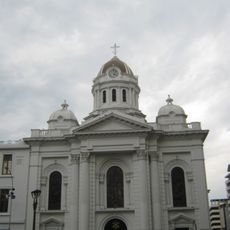
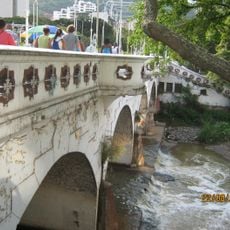
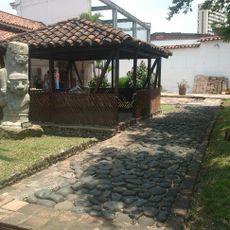
Federico Carlos Lehman Museum of Natural Sciences, Natural sciences museum in Cali, Colombia.
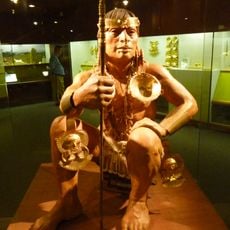
The Federico Carlos Lehman Museum is a natural sciences museum in Cali that houses thousands of preserved animal specimens, marine organisms, and geological materials from the Cauca Valley region. The collections also include archaeological finds and ethnographic artifacts that document the area's natural and cultural past.
In 1942 the Valle del Cauca government hired English ichthyologist Cecil Miles to study the region's freshwater fish, producing a collection of about 3,300 specimens; a decade later the department bought part of Father Emilio Camacho's archaeological collection. A 1962 decree creating Farallones de Cali National Park required that collections made there be kept in a museum, so biologist Federico Carlos Lehmann Valencia, who had long proposed a natural history museum for Cali, secured its creation. It opened on 16 December 1963 in a rented 1,612 m² house in the Santa Teresita neighbourhood, and was renamed after Lehmann following his death in 1974.
The museum's name honours biologist Federico Carlos Lehmann Valencia, who proposed a natural history museum for Cali and directed it until his death in 1974. Its founding collections came from outside researchers and local donors: English ichthyologist Cecil Miles's freshwater fish sample, entomologist Adalberto Figueroa's insects, and bird and mammal skins gathered with Rockefeller Foundation support.
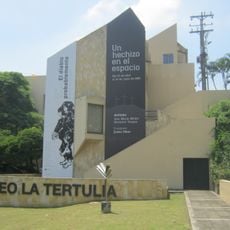
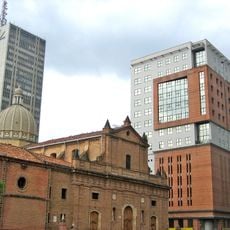
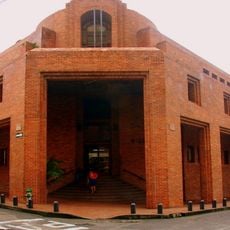
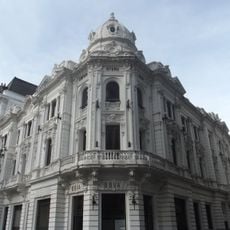
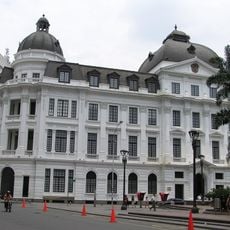
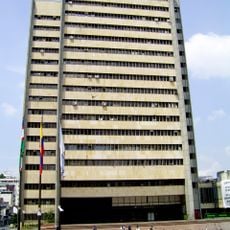
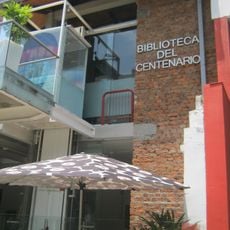
The museum occupies the fourth floor of the Rodrigo Lloreda Caicedo building, the current Manzana del Saber complex, where INCIVA has been based since 2004. It shares this block with the Jorge Garcés Borrero departmental library, the Abrakadabra interactive museum and the CIIP. All exhibition rooms are indoors, so visits do not depend on the weather.
The museum's founding collection included about 3,300 freshwater fish specimens gathered by English ichthyologist Cecil Miles, hired by the Valle del Cauca government in 1942. Ten years later the department bought part of Father Emilio Camacho's archaeological collection. Both were kept in storage and shown in borrowed spaces until the museum opened in 1963.
The community of curious travelers
AroundUs brings together thousands of curated places, local tips, and hidden gems, enriched daily by 92,807 contributors worldwide.