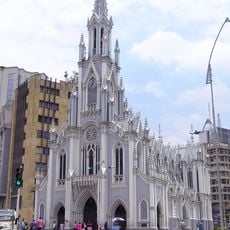
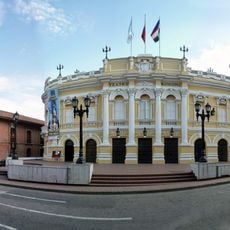
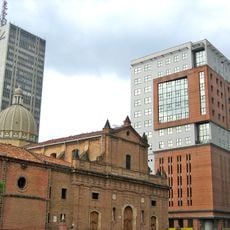
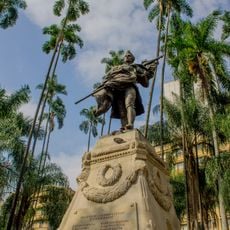
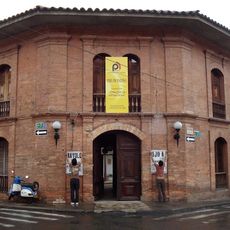
Ciudades Confederadas del Valle del Cauca, Colonial confederation in Valle del Cauca, Colombia
Ciudades Confederadas del Valle del Cauca was an alliance of six cities in the Valle del Cauca region of Colombia, namely Anserma, Buga, Cali, Caloto, Cartago, and Toro, formed during the early independence movement of the 19th century. The territory these cities covered spans what are now parts of the departments of Valle del Cauca, Quindío, Risaralda, and northern Cauca.
In 1811, six cities of the Cauca valley joined together to resist Spanish colonial rule, forming one of the first organized alliances of the Colombian independence struggle. This confederation was part of a broader movement that emerged across different parts of what is now Colombia at roughly the same time.
On February 1, 1811, representatives from the six cities met in Cali and signed the Acta de las Ciudades Confederadas, a document stating their shared will for self-rule. This gathering made Cali the center of the regional independence movement in the Cauca valley.
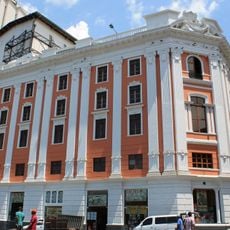
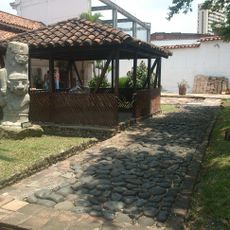
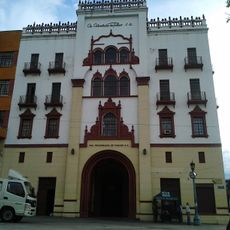
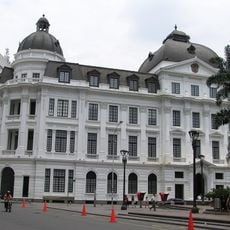
The cities of the former alliance are spread across several Colombian departments and are most easily reached from Cali, which served as the administrative center of the confederation. Since these are historical sites across a wide area, looking for local museums or heritage spots related to the independence movement in each city is a good way to explore the story.
One of the first results of the alliance was a military victory at the Battle of Bajo Palace in March 1811, after which the allied cities briefly held Popayán. This was among the earliest armed successes of a regional coalition in the Colombian independence process.
The community of curious travelers
AroundUs brings together thousands of curated places, local tips, and hidden gems, enriched daily by 92,044 contributors worldwide.