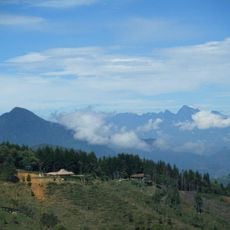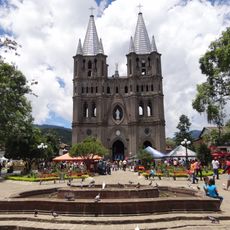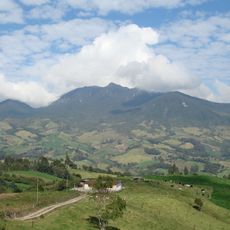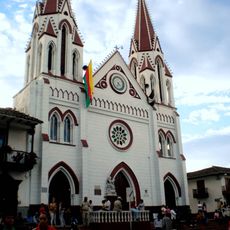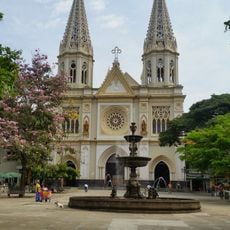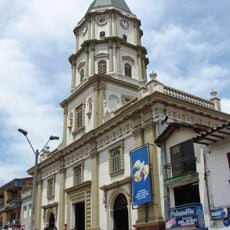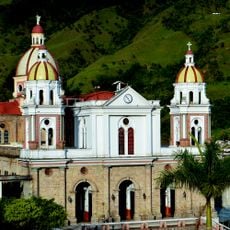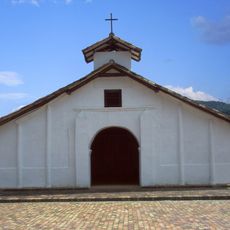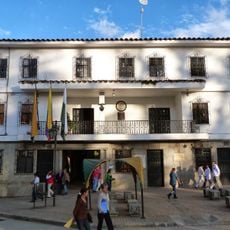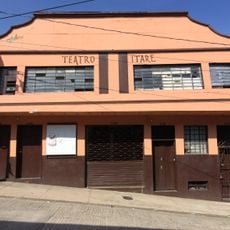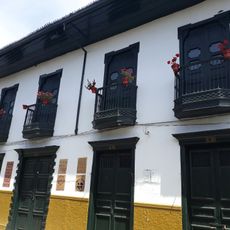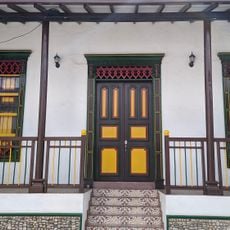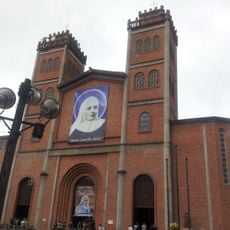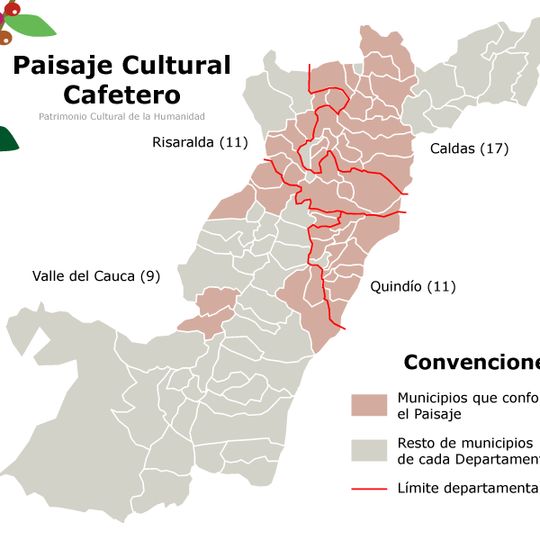
Coffee production in Colombia, Coffee production region in Andean mountains, Colombia
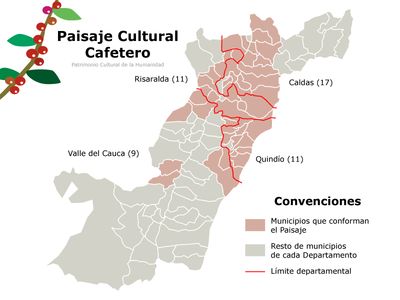
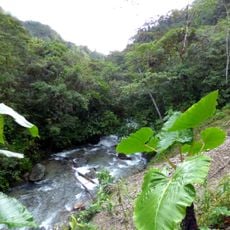
Coffee production in Colombia spans across high Andean slopes where plants grow between 5,600 and 6,900 feet in elevation. The growing region spreads across roughly 20 departments, ranging from the border with Ecuador all the way to Venezuela.
The Jesuits introduced coffee plants to the country in 1723, establishing the foundation for what would become a major industry. By the early 1900s, coffee exports had grown to dominate the economy and remained central to trade for decades.
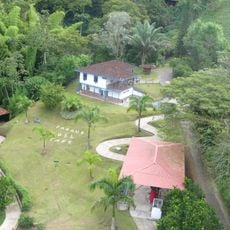
Over 500,000 farmers work in the coffee regions, maintaining practices passed down through generations in rural communities. This work shapes daily life and identity in many mountain villages across the country.
Visitors can explore the coffee regions year-round, though harvesting happens in two distinct phases. The main crop runs from September through December, followed by a secondary harvest called mitaca.
The volcanic soils found in the growing areas are rich in nutrients and support varieties like Typica, Caturra, and Castillo. The combination of consistent rainfall and this particular soil type creates growing conditions that differ from other major coffee producing nations.
The community of curious travelers
AroundUs brings together thousands of curated places, local tips, and hidden gems, enriched daily by 92,058 contributors worldwide.