Pácora, Administrative division in western Colombia
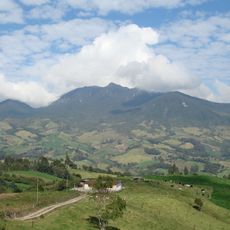
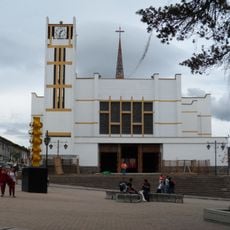
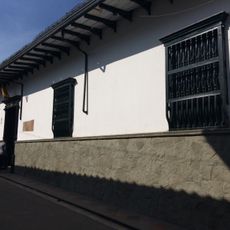
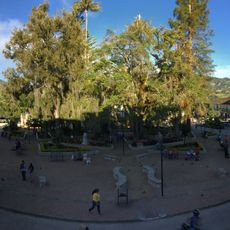
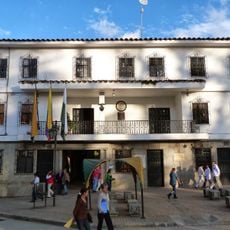
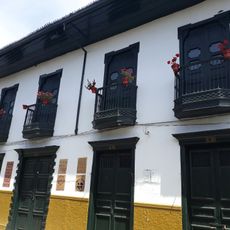
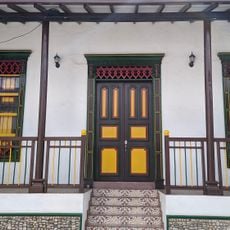
Pácora is an administrative division in western Colombia situated in the Andean region between the Colombian Heritage Towns of Salamina and Aguadas. The area is shaped by agriculture, particularly coffee cultivation, sugarcane production, and fruit farming, while the Plaza de Bolívar contains the main administrative buildings.
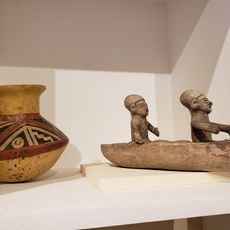
The territory of Pácora was initially inhabited by Quimbaya indigenous communities before settlers from Antioquia established the modern town on October 12, 1832. This founding marked the start of organized settlement in this Andean region.
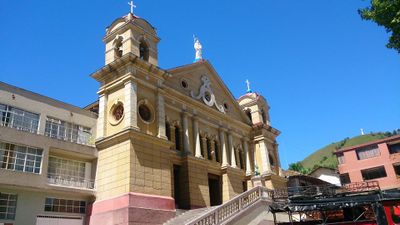
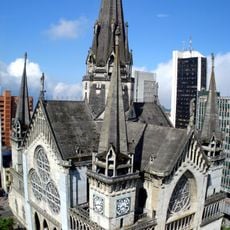
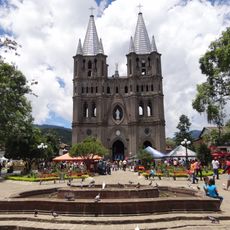
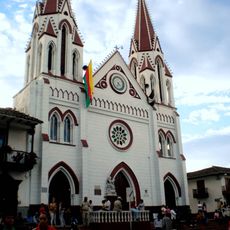
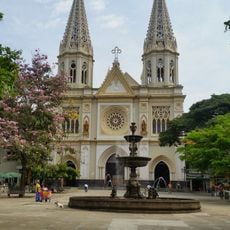
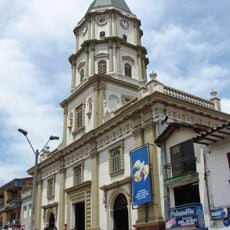
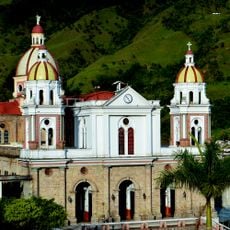
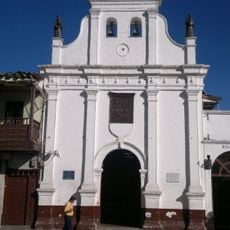
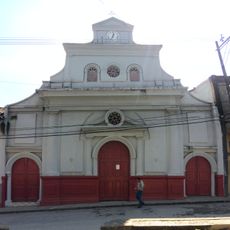
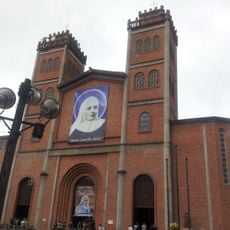
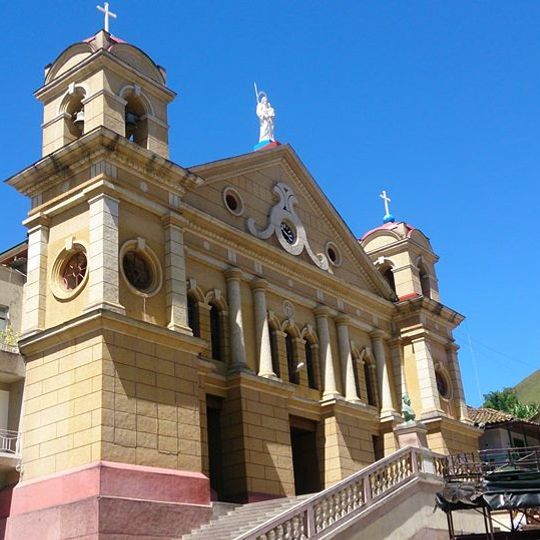
The Church of San José stands at the heart of the town with a distinctive Romanesque design featuring three aisles and a white marble main altar. The building was created by English engineer William Martin and shapes how locals and visitors experience the central plaza.
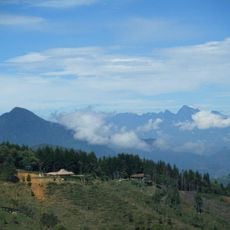
Visitors find the main attractions concentrated around the Plaza de Bolívar, where the administrative center is located. The region is best accessed during the dry season when walks through the coffee plantations and surrounding Andean countryside are possible.
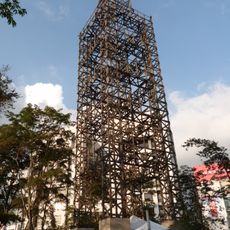
The Cristo Rey statue erected in 1942 had to be transported to the site in individual pieces before assembly. This monument rises 14 meters high and has become a landmark of the town.
The community of curious travelers
AroundUs brings together thousands of curated places, local tips, and hidden gems, enriched daily by 91,806 contributors worldwide.