Volcán Congo, Inactive volcano in Cordillera Central, Costa Rica
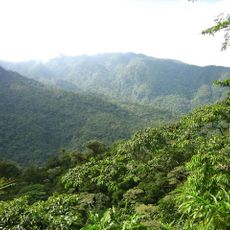
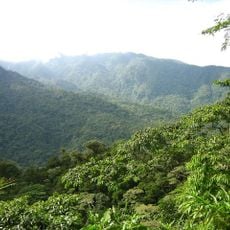
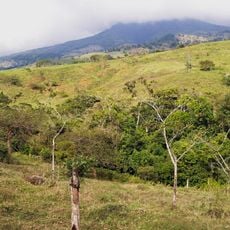
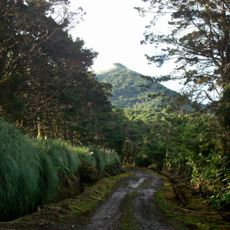
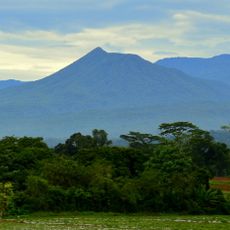
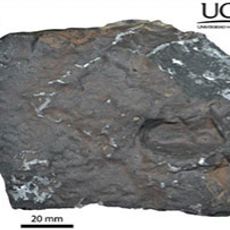
Volcán Congo is an inactive stratovolcano in the Cordillera Volcánica Central, 6 km north of Poás Volcano and inside Poás Volcano National Park. It reaches 2,014 m and covers 25 km². Its poorly preserved summit crater opens to the north, and rain erosion has cut deep gullies that excavate the valley of the María Aguilar River. The rock is olivine basalt and basaltic andesite with pumice deposits.
The name Cerro de Congo was already in use by the mid-19th century for this mountain, which lay on the route between Costa Rica's Central Valley and the Caribbean coast toward Nicaragua. A pyroclastic deposit linked to the volcano has been dated to 30,580 years before present, and it has shown no eruptive activity of importance for at least 11,000 years.
The name Congo comes from the mantled howler monkey, called mono congo locally, whose roar carries several kilometres at dawn and dusk. The mountain was already known as cerro de Congo by the mid-19th century, when it lay on the route between the Central Valley and the Caribbean coast. It is also called cerro Cariblanco, after the white-faced capuchin troops on its slopes, and cerro María Aguilar, after the river born there.
The volcano lies within Poás Volcano National Park, 6 km north of Poás Volcano, and the sources record no marked trail or visitor access to its crater. Its upper crater is poorly preserved and open to the north, and deep gullies cut the Caribbean-facing slopes. Access and conditions should be checked with the park administration before planning a visit.
The volcano's name comes from the mantled howler monkey, called mono congo in Costa Rica, whose roar carries for kilometres at dawn and dusk. The mountain also bears the names cerro Cariblanco, after the white-faced capuchin troops on its slopes, and cerro María Aguilar, after the river born there.
The community of curious travelers
AroundUs brings together thousands of curated places, local tips, and hidden gems, enriched daily by 93,846 contributors worldwide.