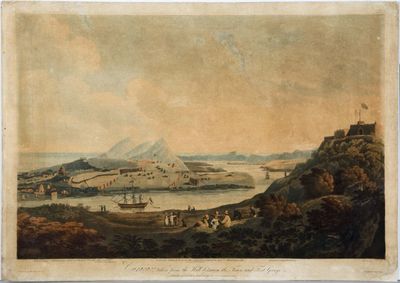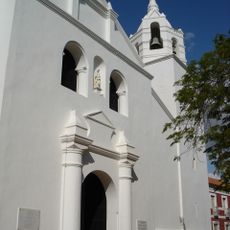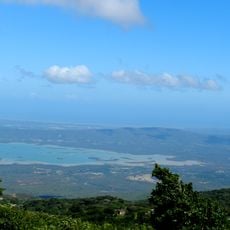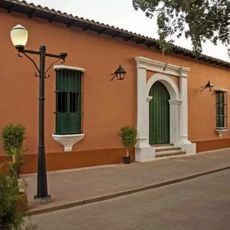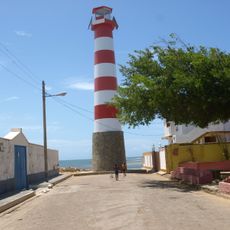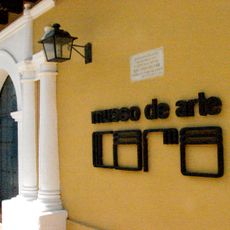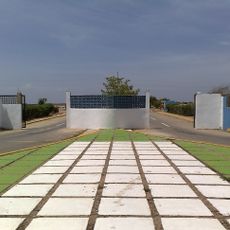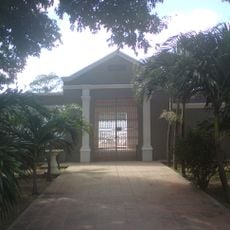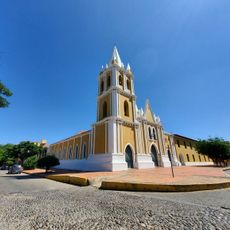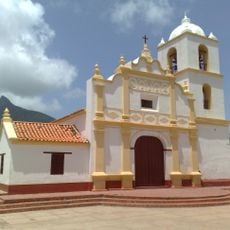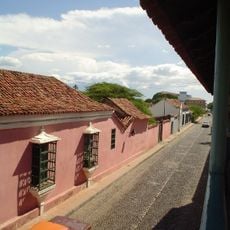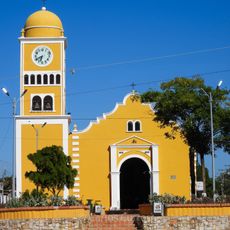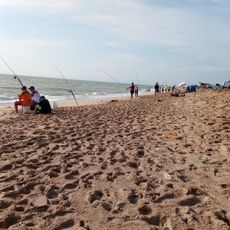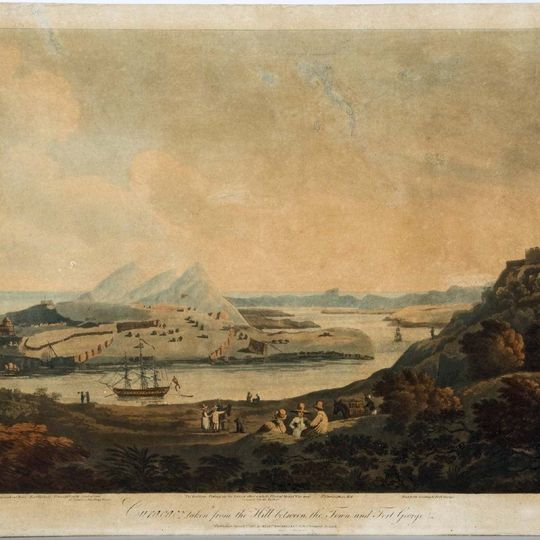
Coro and its Port, Colonial architectural complex in Falcón, Venezuela.
Coro is a colonial district in Falcón containing more than 600 buildings made from clay bricks and earthen materials. The structures are tightly packed along narrow streets, defining the townscape with their low facades and traditional floor plans.
Founded in 1527, Coro is one of Latin America's oldest colonial towns. From 1528 to 1546 it was the domain of the Welser banking family of Augsburg, and its street plan mirrors those of medieval German cities. The historic centre retains over 600 buildings, and in 1993 the city and its port, La Vela de Coro, became Venezuela's first UNESCO World Heritage site.
Coro's name comes from the Caquetío word for wind, and the town's earthen walls of bahareque, adobe and tapia show a mix of local building traditions with Spanish Mudéjar and Dutch techniques. The flat roofs and thick walls you see are practical responses to the dry climate and strong coastal winds.
Coro and La Vela de Coro are two separate sites about 12 km apart, so plan transport between them. The historic centre is compact and walkable, but some streets have uneven paving. The earthen buildings are vulnerable to heavy rain; visit outside the wettest periods and avoid touching damp walls.
The street layout follows medieval German planning principles rather than typical Spanish colonial patterns. This unusual design dates from the Welser period and makes the town fundamentally different from other Latin American colonial settlements.
The community of curious travelers
AroundUs brings together thousands of curated places, local tips, and hidden gems, enriched daily by 94,498 contributors worldwide.