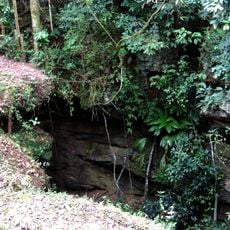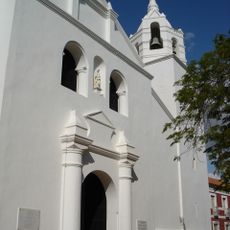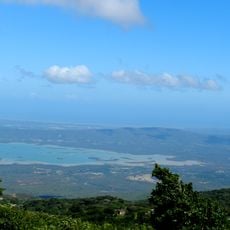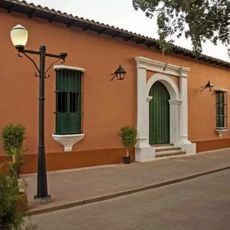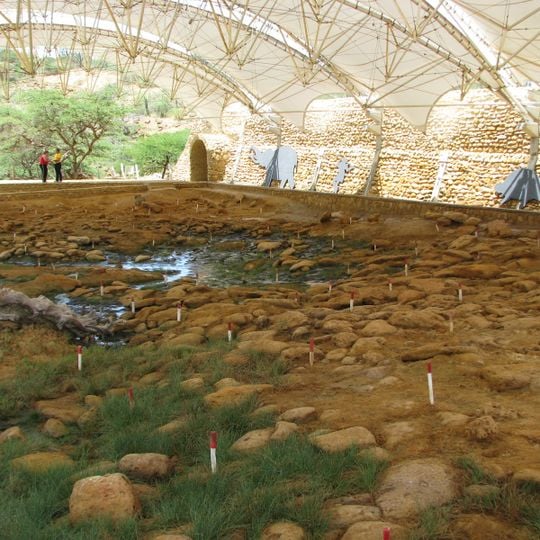
Taima-Taima, Archaeological site near Coro, Venezuela.
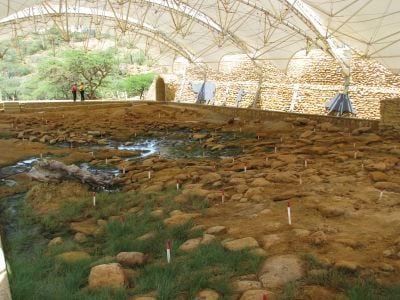
Taima-Taima is an archaeological site near Coro that contains layered deposits with ancient tools and animal remains from thousands of years ago. The location shows evidence of human activity spread across different time periods, with finds carefully preserved in the ground.
Investigated from 1964 by José Cruxent, Alan Bryan, Rodolfo Casamiquela, Ruth Gruhn and Claudio Ochsenius, Taima-Taima yielded a Notiomastodon pelvic bone pierced by a stone spearpoint. Geological and radiocarbon dating both place the find at 13,000 BP (11,000 BC). The site's human occupation dates to 14,200–12,980 years ago, making it key evidence for a pre-Clovis settlement of South America.
The stone projectile points discovered here reveal how early hunters approached their prey and organized their hunting practices. These tools show the practical knowledge that early inhabitants passed down through their communities over time.
Plan your visit by contacting local authorities or research institutions ahead of time to learn about access and viewing options at the site. The location requires advance coordination to properly see the excavation areas and artifact displays.
Bones of Xenorhinotherium, an extinct camel relative, were discovered here and provide clues about animals that once roamed this region long ago. These finds help researchers understand the variety of large animals that lived alongside early humans in northern South America.
The community of curious travelers
AroundUs brings together thousands of curated places, local tips, and hidden gems, enriched daily by 93,871 contributors worldwide.